


 Yandex Data Center Hit by Drone Strike as Russia-Ukraine Cyber Infrastructure Attacks Escalate
  EU Rejects Italy, Greece Calls for Fiscal Rule Flexibility
  Hegseth Praises USS Abraham Lincoln Crew After Record Iran War Deployment
  Zelenskiy Slams US-Russia Diesel Deal as Funding War
  Flavio Bolsonaro Leads Lula 49%-45% in Brazil Runoff Poll
  Trump Secures Russian Diesel Deal as US Fuel Prices Surge
  Venezuela’s Machado Calls for Elections by July 2027
  Trump Cancels Alabama Football Trip as Hurricane Isaias Approaches
  US Charges Maduro and Wife With Torture Conspiracy
  Trump Rallies in Texas as Republicans Face Tight Midterm Races
  Zelenskiy Slams US Over Deadly Russian Strikes on Ukraine
  Pentagon Orders Iran Strike Preparations as Trump Weighs Military Action
  RFK Jr. Launches Nationwide Vaccine Safety Review
  Trump Calls for Zelenskyy Replacement Amid Russian Diesel Deal
  Flydubai Co-Pilot Planned Suicide Attack on Israel Airport, UAE Says
  Iran Refuses to Halt Uranium Enrichment Amid US Nuclear Demands
  Italy Approves Electoral Reform Ahead of 2027 Election


 Add as a preferred source on Google
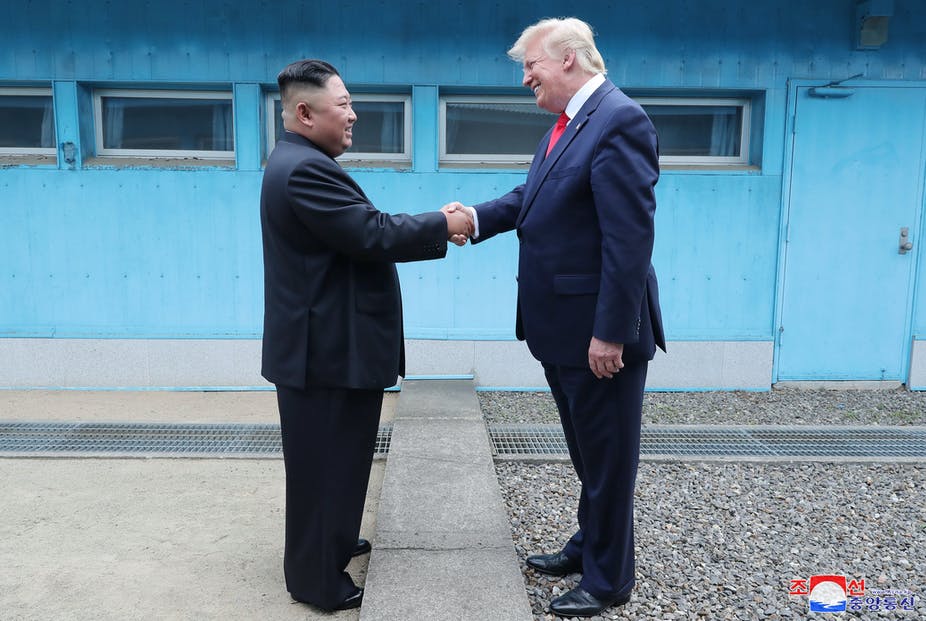
U.S. President Donald Trump’s renewed outreach to North Korean leader Kim Jong Un is raising concerns among key Asian partners as Washington’s allies reassess the reliability of U.S. security commitments across the Indo-Pacific.
Trump last week unexpectedly scaled back military exercises with South Korea, describing the drills as hostile toward Pyongyang. The decision came as Trump seeks to revive diplomacy with Kim while dealing with the ongoing Iran war. Analysts warn the move could deepen uncertainty in Japan, Taiwan and India over Washington’s regional strategy.
Jeremy Chan, a senior analyst at Eurasia Group and former U.S. diplomat, said the decision would likely increase doubts about U.S. security guarantees. The White House, however, said Washington remains committed to cooperation with Seoul while emphasizing that allies need to increase their own defense spending.
Japan is particularly concerned as Tokyo prepares for negotiations over the cost of hosting U.S. troops. Former Japanese Defense Minister Itsunori Onodera described the prospect of North Korea being emboldened by Trump’s diplomacy as “extremely troubling.” Pyongyang also fired several ballistic missiles last week despite Trump’s overtures.
Concerns have intensified after the USS George Washington, America’s only forward-deployed aircraft carrier in Asia, left for the Middle East to relieve the USS Abraham Lincoln. The shift has fueled questions about whether U.S. deterrence against China could weaken.
Taiwan is also closely watching Trump’s upcoming meeting with Chinese President Xi Jinping. Washington has delayed approval of a $14 billion arms package for Taipei while seeking to preserve stable relations and a trade truce with Beijing. Taiwanese officials expect the weapons package could ultimately be divided into smaller sales to reduce tensions with China.
India, meanwhile, is becoming increasingly cautious about long-term defense cooperation with Washington. Trump’s tariffs on Indian exports and repeated claims of mediating an India-Pakistan ceasefire have already frustrated New Delhi.
Security analysts say the developments highlight Trump’s transactional approach to foreign policy, potentially forcing U.S. partners across Asia to reconsider how heavily they can depend on Washington as regional tensions involving North Korea and China continue to grow.







