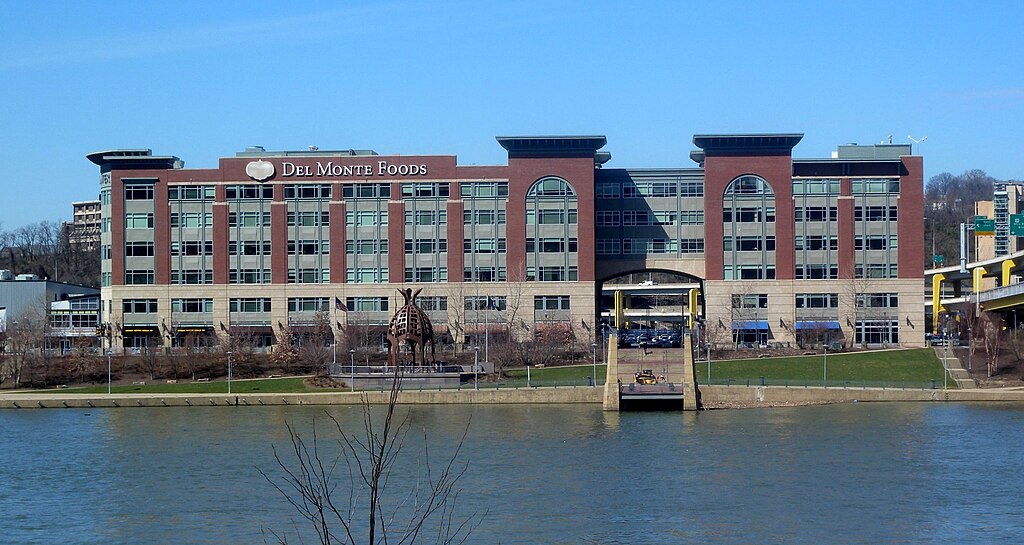
Del Monte Foods has filed for Chapter 11 bankruptcy in the U.S. as part of a strategic plan to pursue a court-supervised sale. The move, announced Tuesday, follows an agreement with key lenders and aims to support the company’s turnaround and long-term viability.
The 135-year-old food company, known for its iconic canned fruits, vegetables, broths under the College Inn brand, and Joyba tea products, said it has secured $912.5 million in financing to maintain operations during the proceedings. Despite the bankruptcy filing, Del Monte Foods emphasized that it will continue day-to-day operations without disruption.
In a filing with the New Jersey bankruptcy court, the company listed estimated assets and liabilities between $1 billion and $10 billion, with an estimated 10,000 to 25,000 creditors. CEO Greg Longstreet stated that the Chapter 11 process offers the most efficient path to complete the company’s turnaround, calling it “a strategic step forward.”
Importantly, the filing does not impact Del Monte’s non-U.S. subsidiaries, which will continue operating normally.
Del Monte Foods, with over a century of brand recognition in the American food industry, is using this bankruptcy restructuring to reposition itself in a competitive market. The sale process, backed by new financing, is designed to attract potential buyers while ensuring the stability of operations.
As the company navigates bankruptcy court, industry watchers will be closely monitoring which bidders emerge and how this legacy food brand adapts to shifting consumer trends. Del Monte’s next steps could shape its future role in the packaged food sector and determine the fate of its household-name brands.
This development comes amid broader financial challenges in the U.S. food manufacturing industry, as rising costs and shifting consumer habits pressure legacy companies to adapt or consolidate.