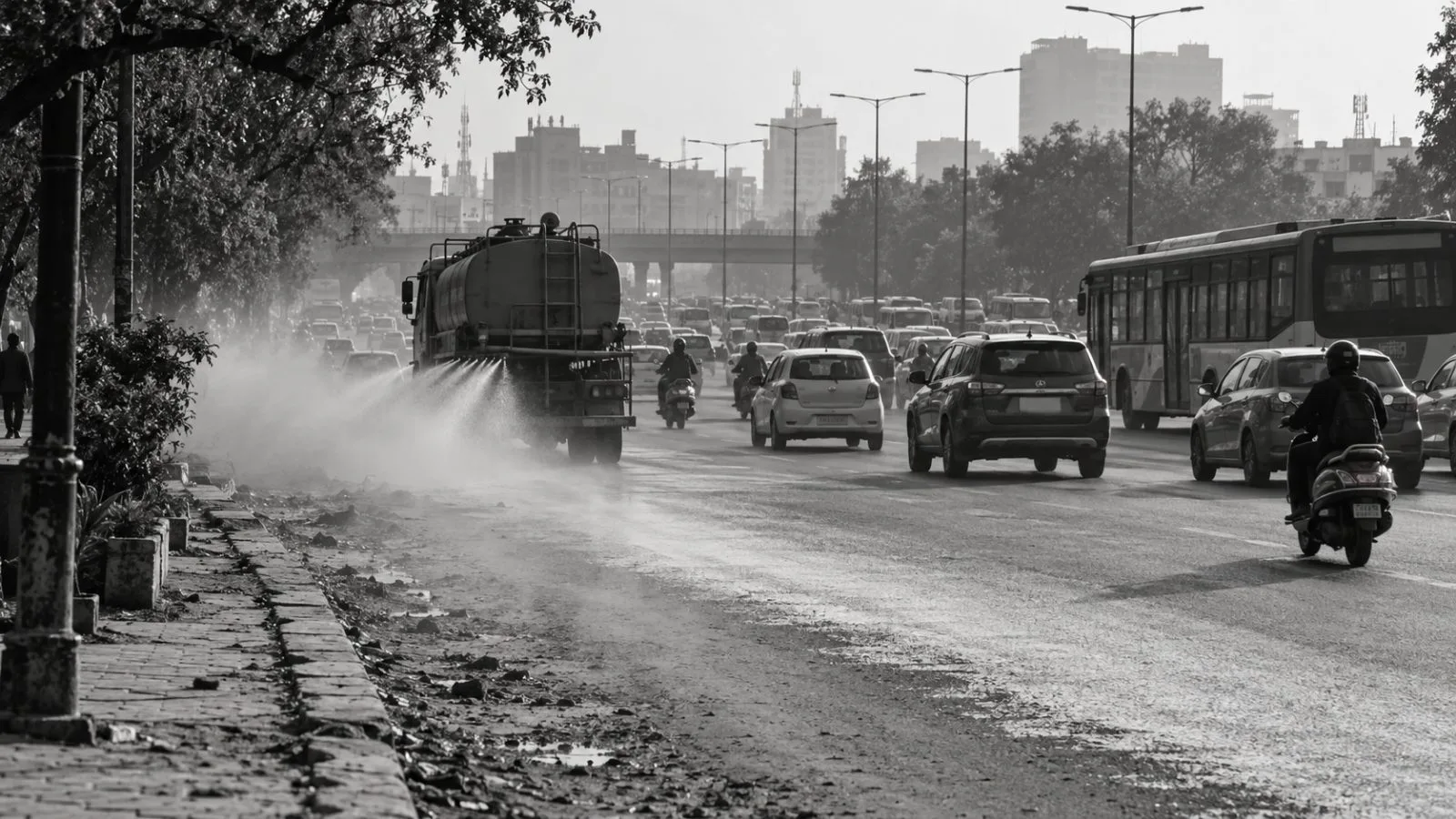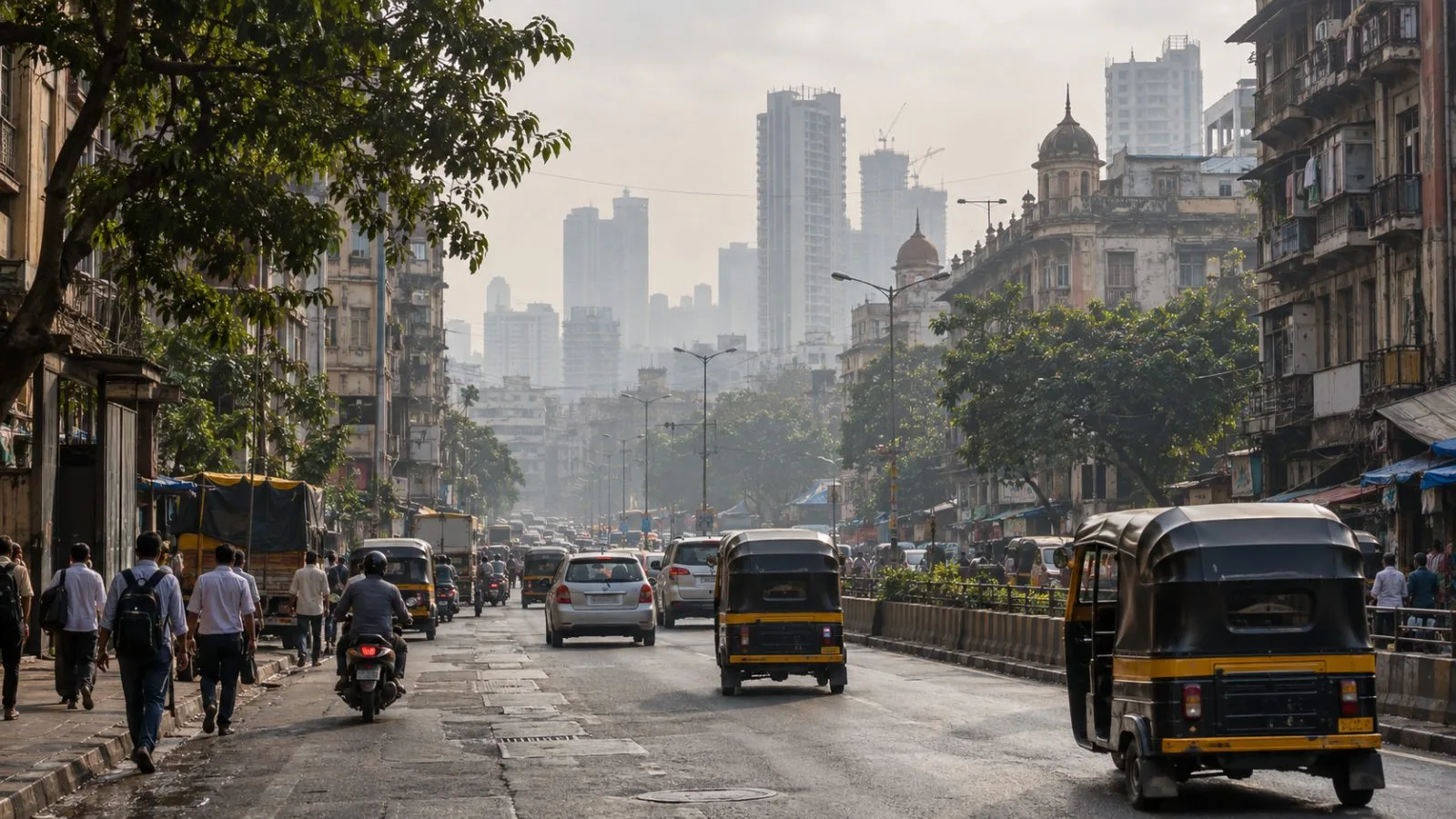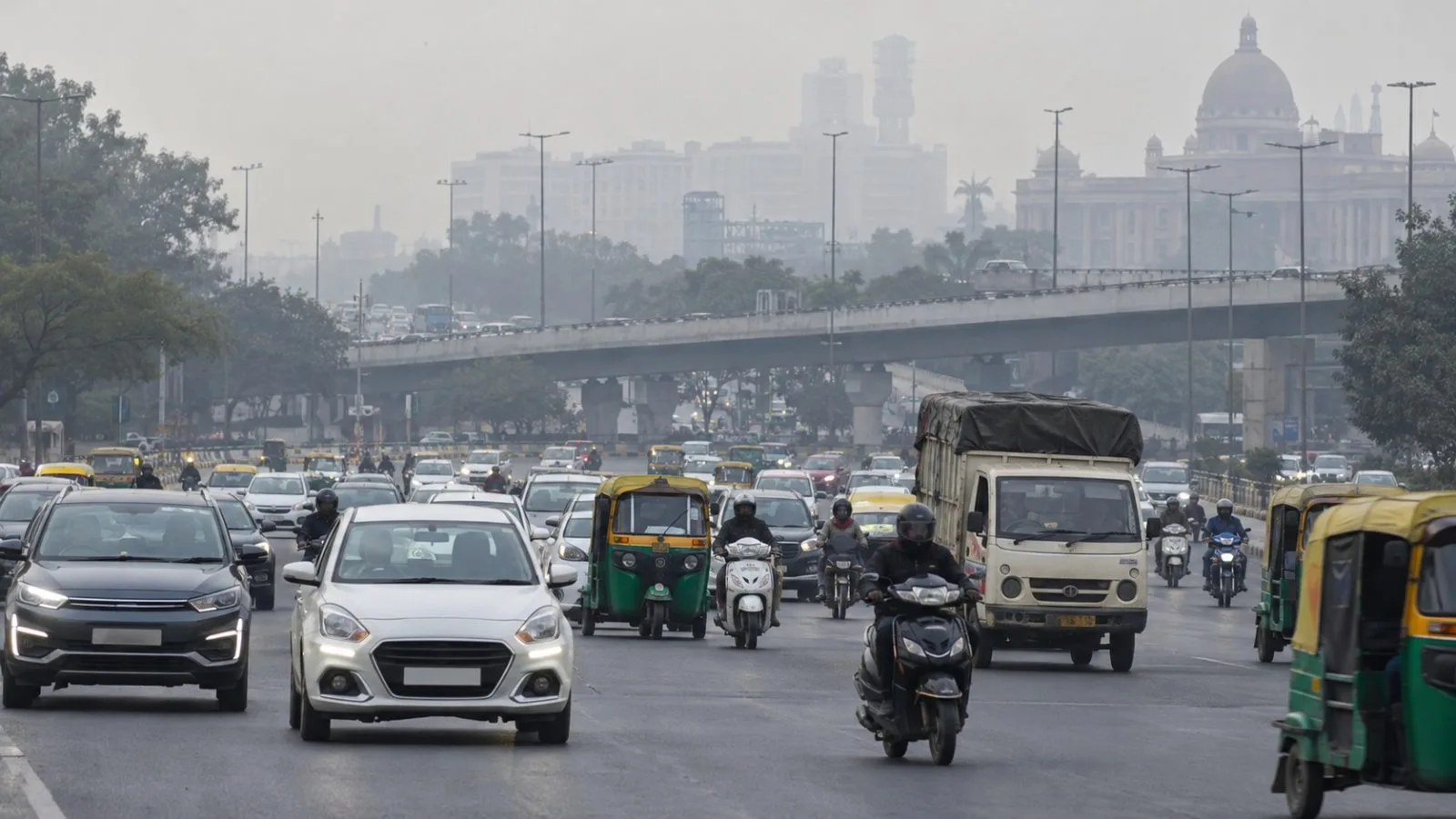
Vehicles that fail Bharat Stage VI (BS-VI) emission standards and are registered outside the National Capital Territory of Delhi will face a seasonal entry restriction as the capital’s winter pollution controls begin Nov. 1.
The June 23 direction from the Delhi Environment Department sets the restriction through Jan. 31, 2027. It exempts vehicles powered by compressed natural gas (CNG) or electricity, as well as emergency and sovereign-duty vehicles such as ambulances, fire tenders and police vehicles. The department may designate additional exempt categories. Delhi-registered vehicles fall outside this specific restriction based on their registration location, though other controls may apply.
A separate Commission for Air Quality Management (CAQM) direction covers buses entering Delhi from Nov. 1 under several service regimes, including All India Tourist Permits. Covered buses must use BS-VI diesel, CNG or electricity; Delhi-registered buses are exempt. The CAQM direction lists automatic number plate recognition (ANPR) and radio-frequency identification (RFID) among the tools for enforcement at Delhi’s borders.
Delhi Traffic Police advised goods vehicles with no destination in the city to bypass it using the Eastern or Western Peripheral Expressways or other routes. Its advisory also lists tractors and “jugaad” vehicles where applicable.
A year-round provision in the Delhi direction requires petrol, diesel, CNG and LPG retailers to dispense fuel only when a vehicle presents a valid Pollution Under Control Certificate (PUCC). The direction calls for penalties when a vehicle without a valid certificate is found refueling. The police advisory also lists vehicles without valid PUCCs among restricted categories; the Gazette’s certificate provision addresses fuel sales and penalties, and does not establish a separate entry ban on that basis.
The wider annual pollution directions generally run from Nov. 1 through Feb. 28. In its review of the 2023-24, 2024-25 and 2025-26 winters, the Delhi Environment Department said Delhi’s Air Quality Index (AQI) typically began worsening between Nov. 1 and Feb. 15. Median readings ranged from 312 to 342, while peak readings ranged from 461 to 494. The department said the measures are intended to ease congestion and vehicle emissions, protect public health and keep essential economic and social activity operating.
If CAQM activates a more stringent stage under the Graded Response Action Plan (GRAP), those controls supersede the seasonal directions. The vehicle restriction takes effect Nov. 1 and is scheduled to end Jan. 31, 2027.