Foreign investment into developing economies rose in early 2026 even as announcements of new projects declined, revealing a gap between capital flows and planned investment, UN Trade and Development (UNCTAD) said.
Developing economies received 8% more foreign direct investment (FDI) in the first half of 2026 than the average half-year level in 2025. Global FDI rose 37% on the same basis. Inflows to developed economies increased by more than 70% and accounted for much of the global gain, UNCTAD said.
The project figures use a different comparison. UNCTAD’s preliminary 2026 project estimates extrapolate six to nine months of data to a full year for comparison with 2025. On that basis, greenfield project announcements fell 15% worldwide, while international project-finance deals declined 11%.
The estimated drop in greenfield announcements exceeded one-fifth in developing economies. Announcements of projects supporting the Sustainable Development Goals in those countries fell by more than 25%. These figures count announced activity, not projects completed or final full-year results.
Deal values also diverged from deal counts. Cross-border mergers and acquisitions totaled $494 billion in the first nine months of 2026, up 57%, although the number of transactions fell 23%. UNCTAD said a few large transactions and financial flows can raise FDI totals even when announcements of new investment weaken.
The agency cited high capital costs and economic and geopolitical uncertainty as constraints on international project finance. Investment was heavily concentrated before 2026: UNCTAD’s World Investment Report put global FDI at $1.6 trillion in 2025, up 6%, with more than 80% going to the 20 largest recipient economies.
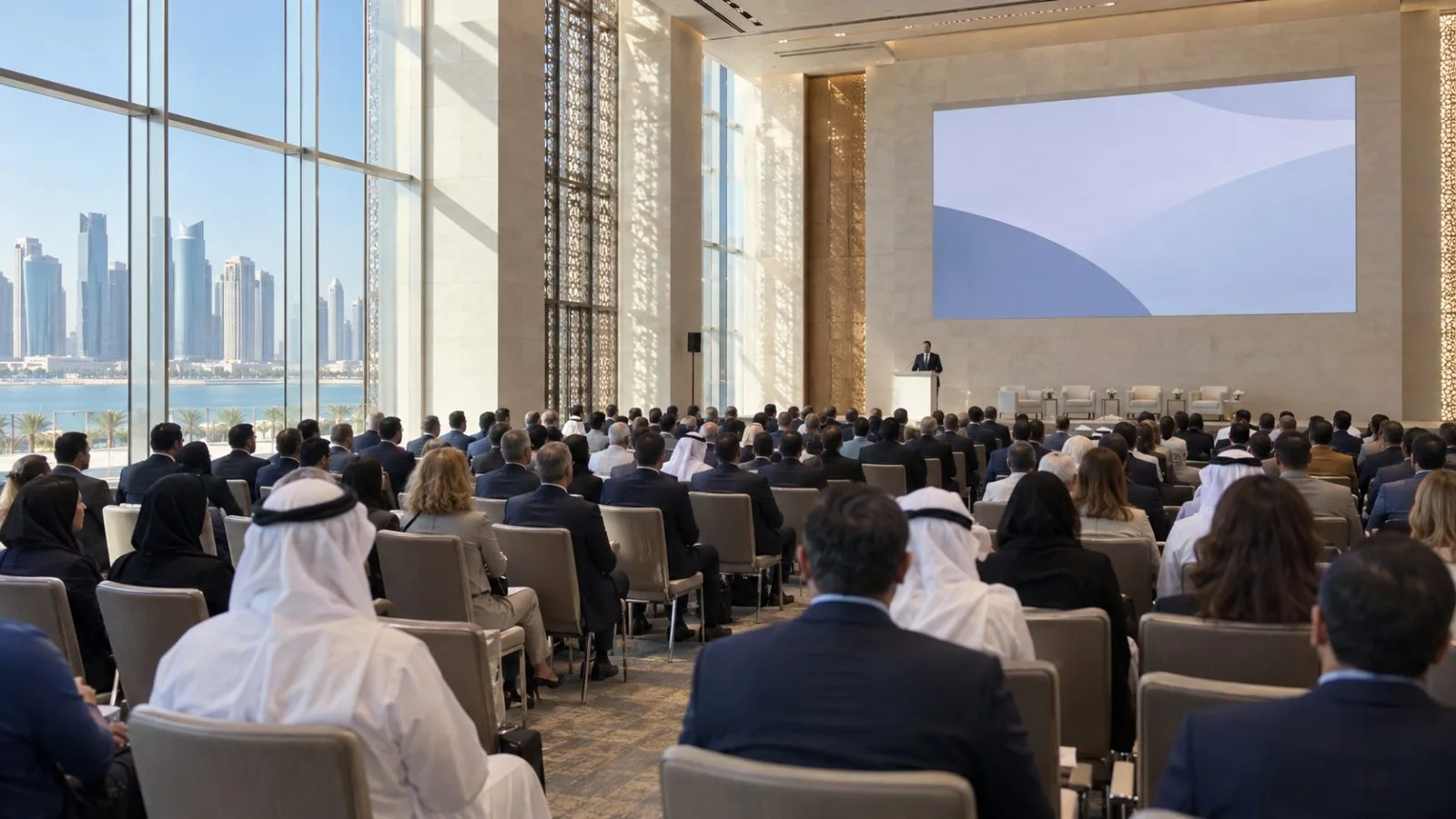
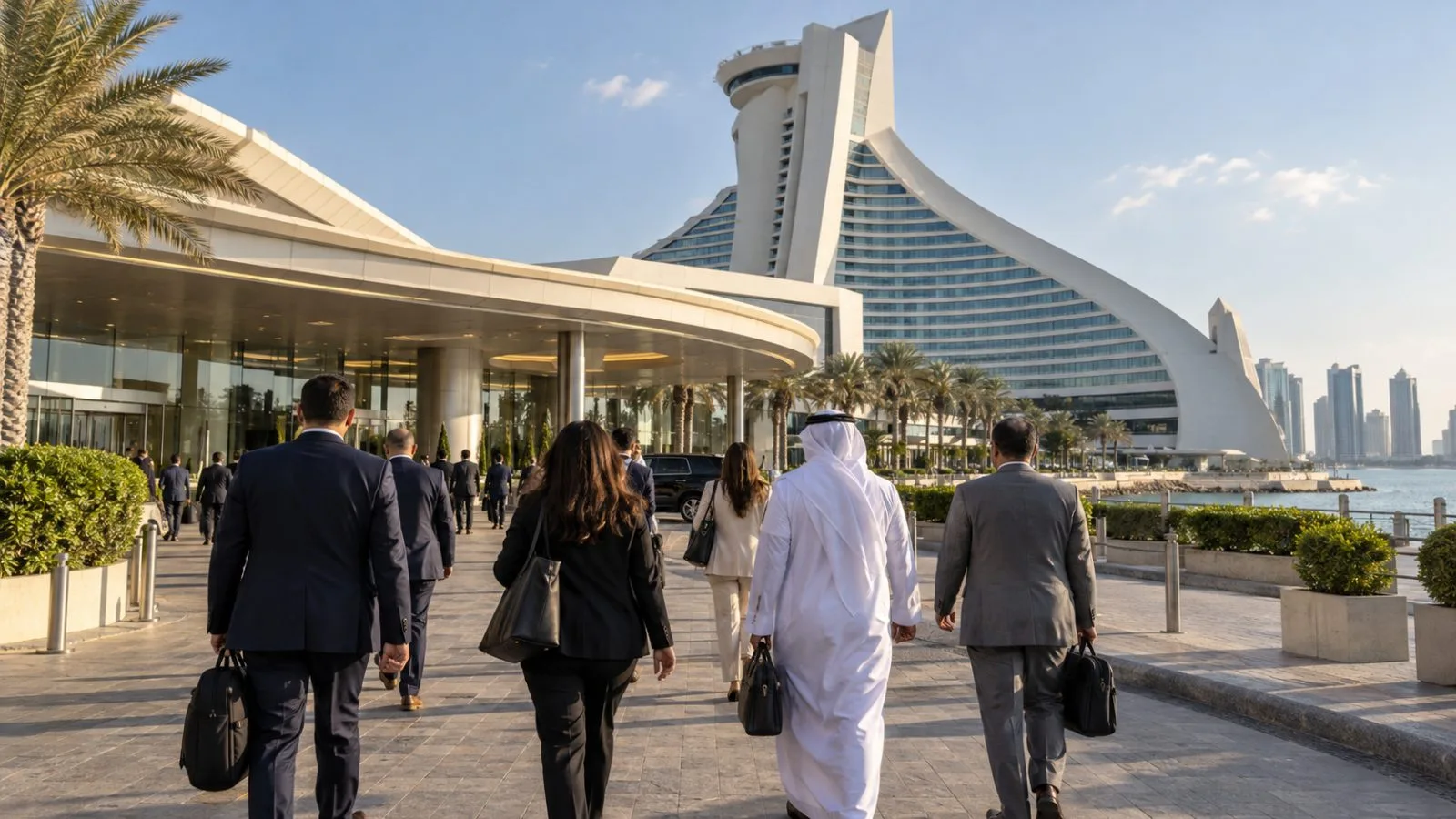
UN special envoy Mahmoud Mohieldin told Euronews that attracting investors requires projects ready for financing and a workable business environment. The World Investment Forum in Doha, organized with UNCTAD, runs through Oct. 27.