


 Asian Stocks Rise as Chipmakers Rally on Micron Earnings
  South Korea Exports Surge 83.5% on AI Chip Boom
  Oil Prices Slide as Middle East Flows Recover
  RBA Hikes Interest Rate to 4.60% as Inflation Risks Rise
  Gold Prices Slip as High Treasury Yields Weigh on Bullion
  Fed’s Williams Signals One More Rate Hike Before Year-End
  India Manufacturing Growth Hits Seven-Month High in September
  Nasdaq Futures Jump as Micron Earnings Boost AI Trade
  US Treasury Bond Buybacks Fall Short Despite Expanded $6 Billion Cap
  Gold Steady as Softer U.S. Inflation Eases Fed Rate Hike Bets
  Asian Stocks Fall as Bond Yields and Oil Prices Surge
  Gold Rebounds as Oil Falls and Treasury Rout Eases
  Asian Currencies Mixed as Yen Slides on BOJ Rate Signals
  Australia Inflation Accelerates to 4% After RBA Rate Hike
  Asian Currencies Mixed as Yen Weakens, RBA Hike Looms
  US Alcohol Ban Exposes Canada’s Internal Trade Barriers
  US Stocks Slip as Treasury Yields Ease, AI Trade Rebounds


 Add as a preferred source on Google
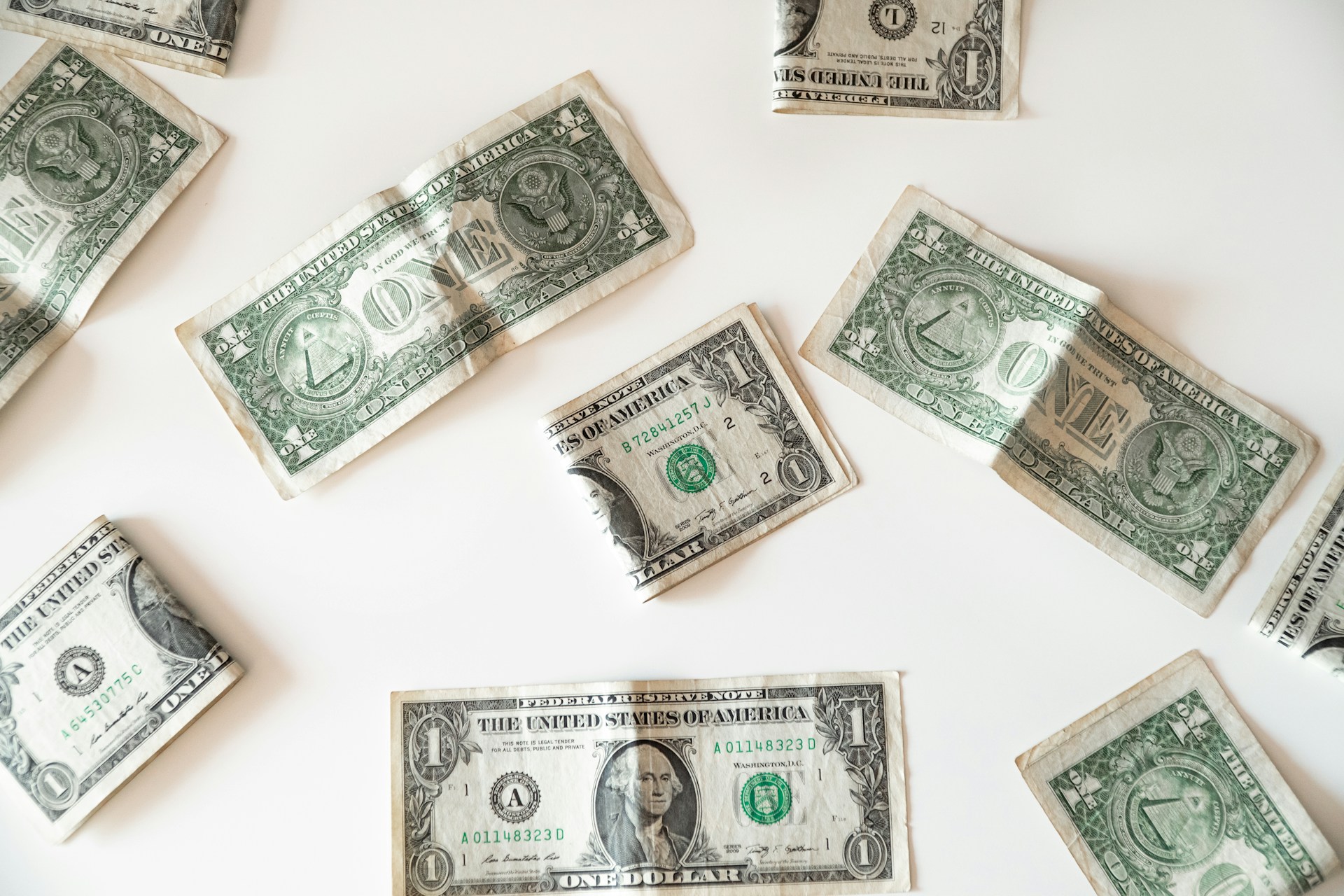
The U.S. dollar extended its rally for a fifth consecutive session on Friday, posting its strongest weekly performance in more than nine months as investors increased expectations for further Federal Reserve interest rate hikes. Rising inflation concerns, higher Treasury yields, and ongoing geopolitical tensions fueled demand for the greenback as a safe-haven asset.
The U.S. Dollar Index climbed 0.5% to 99.30 and gained 1.4% for the week after stronger-than-expected U.S. Consumer Price Index (CPI) and Producer Price Index (PPI) data highlighted persistent inflation pressures. Analysts noted that soaring oil prices linked to the Iran conflict are significantly impacting energy and food costs, while artificial intelligence infrastructure spending is adding pressure to core inflation.
Wells Fargo economists now expect U.S. core PCE inflation, the Federal Reserve’s preferred inflation gauge, to peak at 3.5% in the second quarter before ending the year at 3.1%. As a result, markets increased their bets on future Fed rate hikes, with prediction platform Kalshi showing a 60% probability of a rate increase before July 2027.
Meanwhile, a sharp global bond sell-off intensified across major economies. U.S. 10-year Treasury yields reached their highest level in nearly a year, while the 30-year Treasury yield crossed the critical 5% mark for the first time since 2007. Rising bond yields in Japan and the United Kingdom also reflected growing investor concerns over persistent inflation and tighter monetary policy.
Investor sentiment was further weakened by President Donald Trump’s China visit, which concluded with limited progress on trade, artificial intelligence cooperation, and the Iran conflict. Although Trump claimed China agreed to increase purchases of U.S. oil, Boeing aircraft, and agricultural products, detailed agreements were not disclosed.
In Asia, the Indian rupee hit a record low against the U.S. dollar as rising crude oil prices, capital outflows, and concerns over India’s import costs pressured the currency. The Japanese yen and Chinese yuan also weakened against the strengthening dollar.







