The U.S. dollar declined in thin holiday trading as growing optimism surrounding a potential U.S.-Iran peace agreement increased investor confidence and reduced demand for safe-haven assets. The dollar index slipped 0.3%, giving back gains recorded last week, while major currencies including the euro and British pound posted solid gains against the greenback.
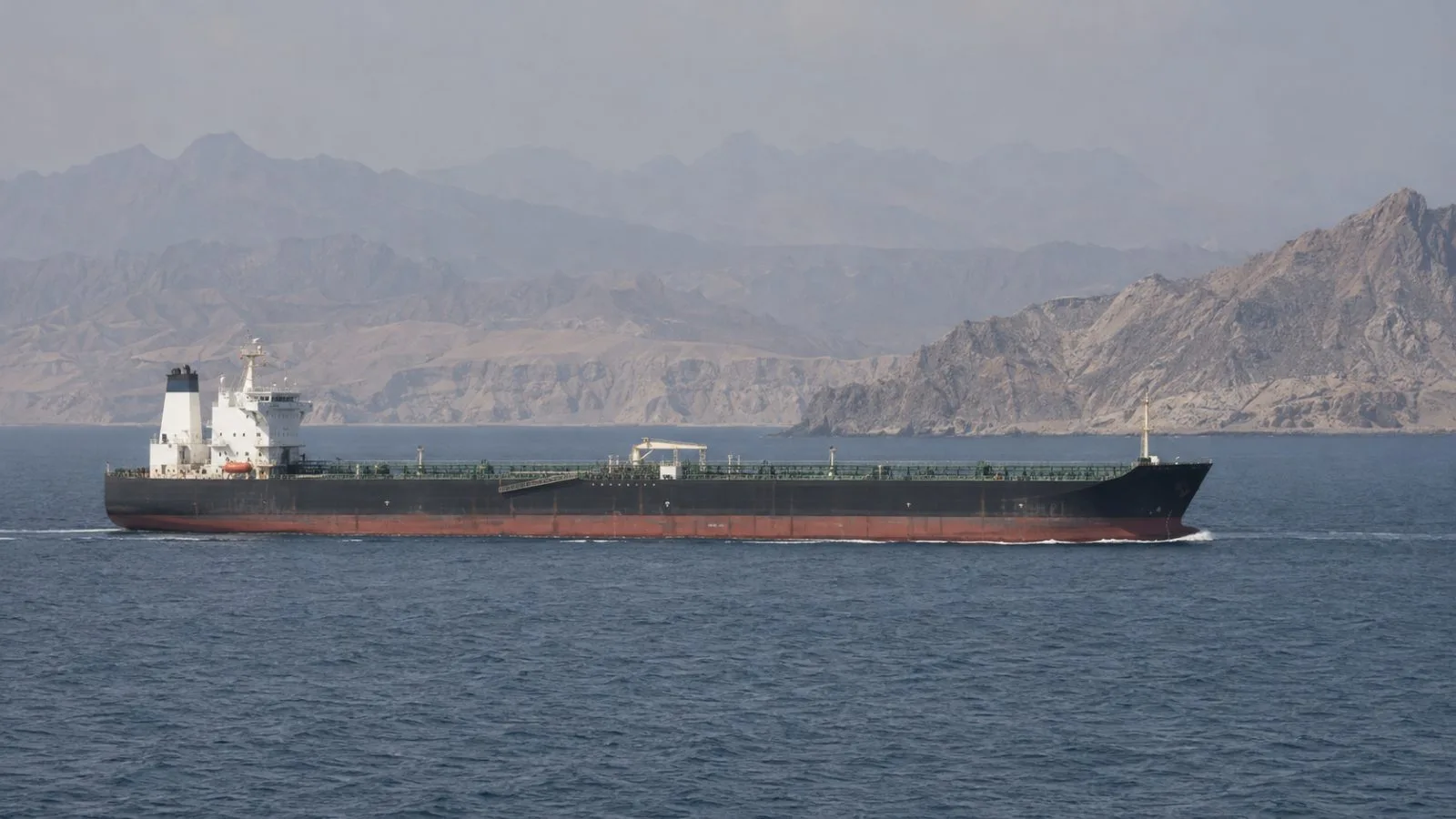
Market sentiment improved after reports suggested progress in negotiations between Washington and Tehran aimed at ending the prolonged conflict and reopening the Strait of Hormuz, a critical global oil shipping route. The easing tensions triggered a sharp drop in oil prices, reducing fears of inflation driven by energy supply disruptions. As a result, traders scaled back expectations that higher oil prices would force central banks to maintain elevated interest rates.
The Australian dollar, often viewed as a risk-sensitive currency, climbed 0.6% against the U.S. dollar as investors returned to higher-yielding assets. Analysts noted that while the dollar may remain stable in the short term, broader long-term sentiment toward the currency remains bearish.
Reports indicated that both the United States and Iran have agreed on parts of a framework deal, although several important issues remain unresolved, including management of the Strait of Hormuz and Iran’s enriched uranium stockpile. U.S. President Donald Trump and Secretary of State Marco Rubio confirmed progress in discussions but stressed that no final agreement has yet been signed.
Asian currencies also strengthened following the weaker dollar trend. The Indian rupee gained after the Reserve Bank of India signaled support for stabilizing the local currency. Meanwhile, the Japanese yen, Chinese yuan, and Singapore dollar also advanced as lower oil prices improved overall market confidence.
Investors are now closely monitoring further developments in U.S.-Iran negotiations and their potential impact on oil prices, inflation, and global currency markets.