


 North Korea Fires Ballistic Missiles as Tensions With South Korea Escalate
  Epic Games Delays Disney Shooter, Shifts to AI-First Development
  Elon Musk Eyes Semiconductor Manufacturing Expansion With $15 Billion Terrafab Project
  Yandex Data Center Hit by Drone Strike as Russia-Ukraine Cyber Infrastructure Attacks Escalate
  Robinhood Chain Eyes Priority Gas Auctions for Faster Trades
  US Judge Blocks Trump Administration’s Taxpayer-Funded Political Ads
  Most Americans Oppose Election Betting on Prediction Markets, Poll Finds
  Tencent Shares Fall as $5 Billion AI Bond Sale Weighed
  Apple Cuts iPhone 18 Pro Production Orders Amid Weak Demand
  Moonshot AI Executives Seek Settlement Ahead of Hong Kong IPO
  Trump Defends Russian Diesel Deal Amid US Sanctions Backlash
  Jameson Lopp Downplays AI Threat to Bitcoin Cryptography
  Trump Sanctions International Criminal Court, Sparking EU Backlash
  European Auto Stocks Rise as EU-China Trade Deal Targets Hybrid Imports
  TSMC Q3 Revenue Beats Estimates as AI Chip Demand Surges
  Meta Launches Muse Wonder AI Models, Shares Rise 3.7%
  Trump Calls for Zelenskyy Replacement Amid Russian Diesel Deal


 Add as a preferred source on Google
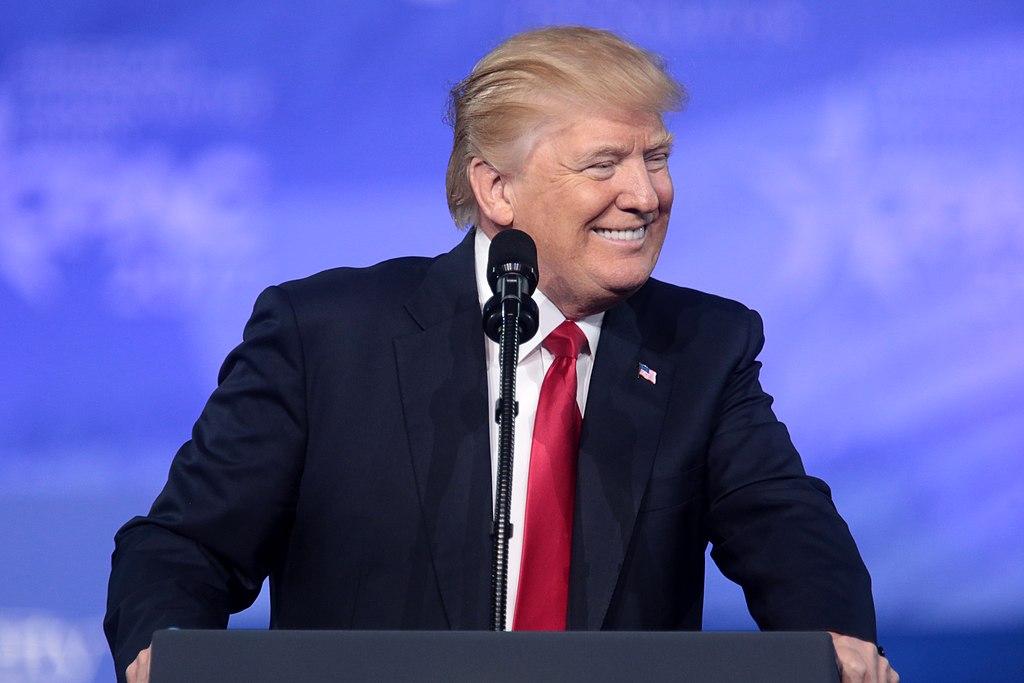
Former President Donald Trump reportedly proposed a $1 billion deal to oil executives, offering to end electric vehicle (EV) subsidies in return for campaign funding, according to The Washington Post. This move underscores his shifting stance on electric mobility and aligns with his broader regulatory rollback ambitions.
Trump's Complex Stance on EVs: Campaign Claims vs. Policy Actions Highlight Contradictions
Often at his rallies, he has criticized electric cars, highlighting their limited range and inconvenient charging requirements, even labeling them as a "hoax." Conversely, during his 2020 campaign, he claimed to support electric vehicles and attempted to take credit for incentives introduced during the Obama administration.
Despite these public statements, Trump has historically pursued policies that would hinder the adoption of electric vehicles, responding to pressures from certain automakers. According to Electrek, his administration, tried to eliminate the electric vehicle tax credit in the initial draft of the 2020 budget, although this measure ultimately failed to pass.
Additionally, Trump has actively advocated for lowering automobile emission standards, which would discourage automakers from producing more electric vehicles.
With his campaign for the 2024 election, Trump has openly declared his opposition to any initiatives that would accelerate the introduction of electric vehicles. A recent report by The Washington Post, citing sources from a meeting held last month at Trump's Mar-a-Lago Club, revealed Trump's direct proposition to oil executives.
During a dinner conversation about rolling back environmental regulations, Trump reportedly told the executives that they should use their wealth to help return him to the White House, promising in return to reverse many of President Biden's environmental policies and prevent new ones from being implemented. According to attendees who requested anonymity, this conversation left several executives taken aback by the explicit nature of the proposal.
Trump Reaffirms Doubts on EVs, Clashing With Musk Amid Mixed Signals on Green Policies
In a March report, former President Donald Trump reiterated his skeptical views on electric vehicles despite his purported friendship and historical interactions with Elon Musk, a major proponent of electric mobility.
Trump, who has consistently expressed contradictory opinions on electric cars, once again highlighted their shortcomings.
Throughout his presidency and subsequent public appearances, Trump has frequently derided electric vehicles, emphasizing issues like limited range and inconvenient charging times and even labeling them a "hoax."However, during his 2020 campaign, he claimed to support electric vehicles and tried to take credit for incentives introduced during the Obama administration.
Despite these support claims, Trump's actions while in office tell a different story. He sought to implement policies that would impede the deployment of electric vehicles, such as attempting to repeal the electric vehicle tax credit in the initial draft of his 2020 budget. This provision ultimately did not pass. Additionally, he pushed for reduced automobile emission requirements, which would have discouraged automakers from developing more electric vehicles.
As the 2024 election approaches and Trump is the likely Republican nominee, he continues to doubt the feasibility of electric vehicles. In his interview, Trump acknowledged his respect for Musk but underscored their fundamental disagreement on electric cars.
He maintained that while he supports electric vehicles, the alternatives must also be available, citing concerns about range, cost, and manufacturing locations.
Trump asserted that the U.S. electric grid could not handle a significant increase in electric vehicles and dismissed the possibility of a fully electric automotive future. He needs to be made aware of the grid benefits of electric cars, which can charge primarily at night when electricity generation typically exceeds demand, potentially stabilizing the grid rather than burdening it.
This stance underscores a recurring theme in Trump's rhetoric: a blend of acknowledgment and opposition, reflecting a complex relationship with the future of electric transportation.
Photo: Gage Skidmore from Peoria, AZ, United States of America, CC BY-SA 2.0, via Wikimedia Commons








.jpg)