


 Tsai Ing-wen to Visit US for Stanford Security Conference
  US Waives Egypt Military Aid Conditions Over Iran War Role
  Iran Plans Stronger Response if US Attacks Resume
  Iran Keeps Strait of Hormuz Closed as War Talks Stall
  Trump Says Iran War Could End Soon After Midterms
  Yemen Launches Major Offensive to Retake Houthi-Held Areas
  Japan Protests to US After Marine Arrested in Okinawa Murder Case
  Trump Heads to Ohio to Boost Husted in Tight Senate Race
  UK Warned Over Growing Reliance on US Cloud Providers
  OPEC+ Keeps November Oil Output Targets Steady
  Ukraine Faces $56 Billion Budget Gap as War Costs Soar
  Merz Pledges €1 Billion in Ukraine Aid During Kyiv Visit
  Brazil Presidential Debate Canceled as Lula, Bolsonaro Skip Event
  Iran Faces Rising Pressure as U.S. Builds Military Presence
  Takaichi Pledges to Control Japan Bond Issuance
  Ukraine to Intensify Strikes on Russian Oil Refineries


 Add as a preferred source on Google
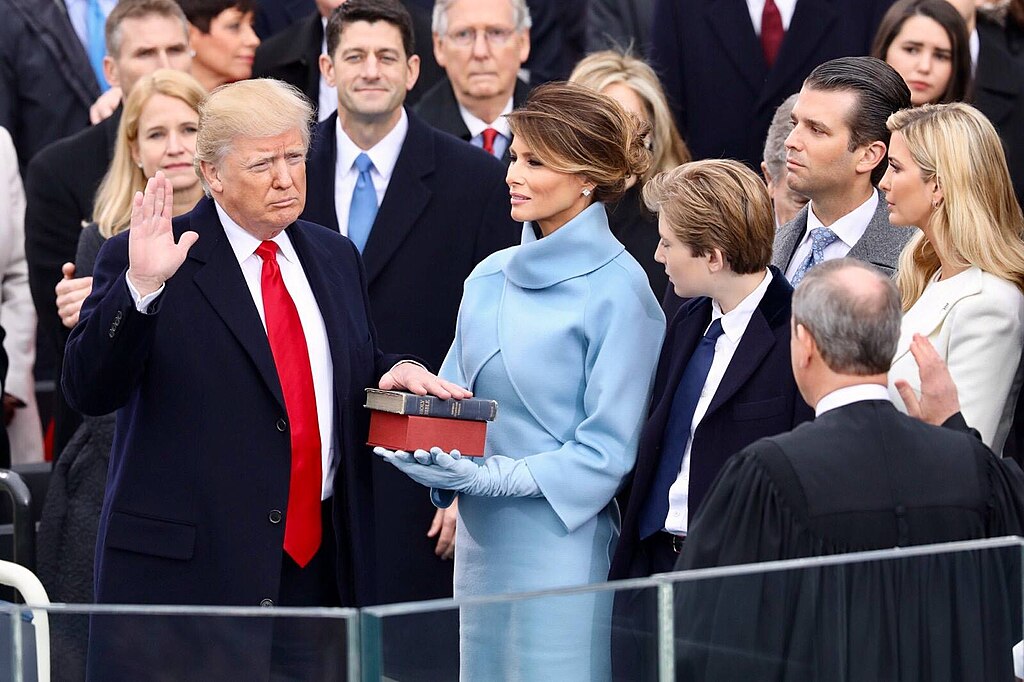
In a recent interview that stirred a wave of debate, former President Donald Trump made a bold declaration, describing an “enemy within” the United States as a more severe threat than North Korean leader Kim Jong Un. Trump's remarks have since ignited intense reactions nationwide, as he asserted that the internal forces eroding American stability and security are far more dangerous than any international adversary.
Speaking on a segment with Joe Rogan, Trump referenced ongoing internal issues that he believes undermine America’s future, suggesting that these forces are even more concerning than North Korea’s controversial leadership. “We’ve faced threats from around the world, but the greatest danger is here, right within our own borders,” Trump stated. The remark quickly gained attention, with many questioning whether Trump was directing his criticism toward specific entities or political opponents.
Trump’s comparison to Kim Jong Un, one of the world’s most notorious authoritarian figures, was met with mixed responses. While some supporters applauded his candor and unwavering stance against domestic opposition, critics accused him of fear-mongering and exaggeration. “The enemy within is a complex and invisible force—far worse than Kim Jong Un could ever be for America,” Trump emphasized, sparking a new dialogue over what he perceives as the largest obstacles facing the nation today.
Political analysts were quick to weigh in, noting the striking nature of Trump’s comments. According to former political strategist John Albright, Trump’s message aims to refocus attention on domestic concerns, a hallmark of his recent rhetoric. “He’s steering the conversation to issues he believes are threatening America’s core values,” Albright commented. “By invoking Kim Jong Un, Trump is highlighting the severity of these internal conflicts.”
The former president’s remarks also raise questions about his stance on political opponents and internal policies, which he frequently frames as part of an overarching “enemy within.” Throughout the conversation with Rogan, Trump criticized policies he argued are compromising America’s strength and stability, although he stopped short of naming specific individuals or groups. Instead, he painted a broad picture of what he described as “unchecked corruption, misguided policies, and divisive tactics” eroding the foundation of the country.
On social media, reactions ranged from enthusiastic support to outright disbelief. “Finally, someone willing to call out the real danger to our country,” one Trump supporter tweeted. Meanwhile, opponents challenged Trump’s viewpoint, with one detractor responding, “Blaming ‘invisible enemies’ isn’t a solution. It’s an attempt to divide us further.”
Trump’s statement has also rekindled discussion around his relationship with Kim Jong Un, which was a focal point during his presidency. Although Trump previously established an unusual rapport with the North Korean leader, his recent comments imply a shift, emphasizing that while North Korea remains a potential external threat, internal problems should take precedence in America’s national discourse.
As the 2024 election cycle heats up, Trump’s focus on domestic issues and his striking “enemy within” warning are expected to resonate with his base. The former president remains steadfast, maintaining that addressing these internal challenges is paramount for America’s future. “We can handle international threats, but if we don’t address what’s happening here, we’re in serious trouble,” Trump concluded, doubling down on his call for internal vigilance.
Trump’s assertions have added fuel to the already charged political atmosphere, underscoring his belief that America’s greatest challenges lie within. As debates over the nation’s direction intensify, Trump’s stark warning continues to capture the attention—and concern—of citizens across the country.







