


 Novo Nordisk Strikes €1.17 Billion Nanexa Drug Delivery Deal
  White House Blames Democrats as CLARITY Act Stalls
  Circle Urges EU to Revise MiCA Stablecoin Rules
  U.S. Issues Cuba Health Alert as Illnesses Rise
  California Bans Memecoins Issued by Public Officials Under New Law
  AstraZeneca Halts Phase III Volrustomig Lung Cancer Trial After Efficacy Setback
  Novartis Shares Plunge After Muscle Drug Fails Phase III Trial
  Tim Scott Blames Democrats as CLARITY Act Stalls in Senate
  Congress Expands Prediction Market Insider Trading Probe
  Colombia Extradites FARC Dissident Leader ‘Spider’ to US
  GSK Unveils $2.52 Billion Cost-Cutting Plan to Accelerate Drug Pipeline
  El Salvador Turns to Stablecoins as Bitcoin Payments Struggle
  Sanofi, Regeneron Expand Drug Partnership in $8 Billion Deal
  UK Warned Over Growing Reliance on US Cloud Providers
  Hims & Hers Shares Fall as GLP-1 Costs Widen Q2 Loss


 Add as a preferred source on Google
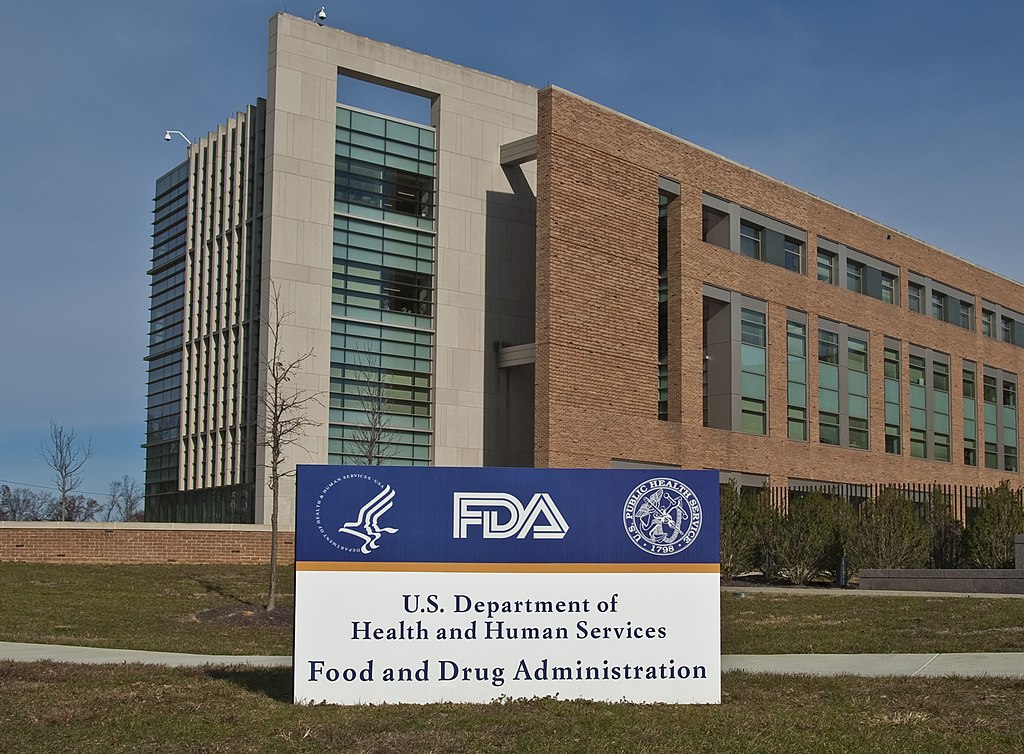
Doctors, veterans, pharmacists and therapists are calling on the U.S. Food and Drug Administration to establish clear safety and access standards for psychedelic therapies as the Trump administration seeks to accelerate development of the emerging treatments.
During a four-hour FDA public meeting on Monday, experts discussed how psychedelic drugs should be tested, approved and delivered to patients. The hearing follows an administration initiative launched in April to help qualified psychedelic treatment programs reach the market.
Key issues included provider training, patient screening, clinical monitoring, insurance reimbursement, treatment capacity and long-term safety data. Experts stressed that psychedelic therapy sessions, which can last six to 12 hours, should involve trained professionals who remain present with patients. Proper screening, follow-up care and community support were also considered essential.
Participants also called for more detailed clinical data involving women. Researchers were urged to account for menstrual cycles, pregnancy, postpartum status, perimenopause, menopause, hormonal conditions and other medications that could affect treatment outcomes.
Melissa Lavasani, CEO of the Psychedelic Medicine Coalition, warned that potentially important safety and efficacy differences could be hidden by broad population averages.
Access and affordability emerged as another major concern. Experts said FDA approval would have limited impact if insurers fail to cover psychedelic treatments or providers receive inadequate reimbursement. U.S. Air Force veteran Lynn Watkins argued that a breakthrough therapy cannot fulfill its promise if patients cannot realistically access it.
The meeting came shortly after senior FDA officials published a New England Journal of Medicine paper describing a framework for psychedelic drug development and approval. The agency indicated openness to flexible clinical trial designs, including approaches addressing “functional unblinding,” where noticeable psychedelic effects can reveal whether participants received the active treatment.
Industry executives believe stronger federal support could improve coordination between the FDA and Drug Enforcement Administration and reduce regulatory delays, although approved psychedelic treatments may still be years away.
Analysts say clearer rules for safe, supervised psychedelic therapy could benefit developers including AtaiBeckley, Compass Pathways, Definium Therapeutics, Helus Pharma and GH Research as research into treatments for PTSD and major depressive disorder advances.







