Gold prices were largely steady on Tuesday after sliding more than 1% in the previous session, as escalating Middle East oil supply disruptions increased expectations that the Federal Reserve will raise interest rates this week.
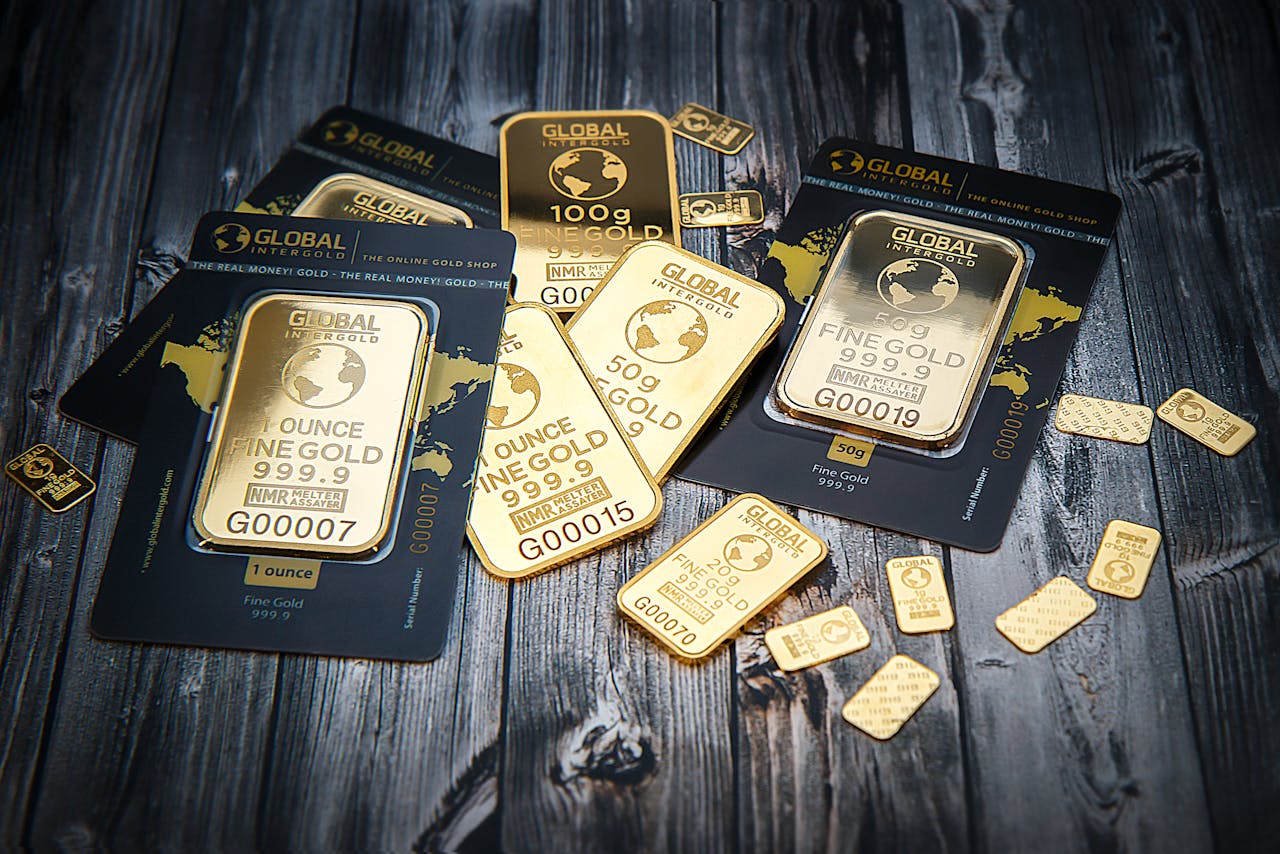
Spot gold (XAU/USD) gained 0.2% to $4,306.86 an ounce at 22:06 ET (02:06 GMT), while gold futures edged lower to $4,346.65. Silver rose 0.3% to $63.42 an ounce, platinum held near $1,764.36, and the U.S. Dollar Index strengthened to 99.60.
Bullion remains under pressure from rising oil prices, Treasury yields and a stronger dollar. Gold fell more than 1% on Monday, reaching a five-week low as traders assessed how higher energy costs could affect inflation and Federal Reserve monetary policy.
Markets are pricing roughly a 92% probability of a Fed rate hike this week. Higher interest rates typically weigh on gold because the precious metal offers no yield, making interest-bearing assets relatively more attractive.
Inflation concerns intensified after Saudi Arabia shut its East-West oil pipeline following attacks last week. The route had been helping move crude around disruptions in the Strait of Hormuz, and its closure threatens millions of barrels per day at a time when global oil supplies are already strained. Saudi authorities have not indicated when the pipeline could restart.
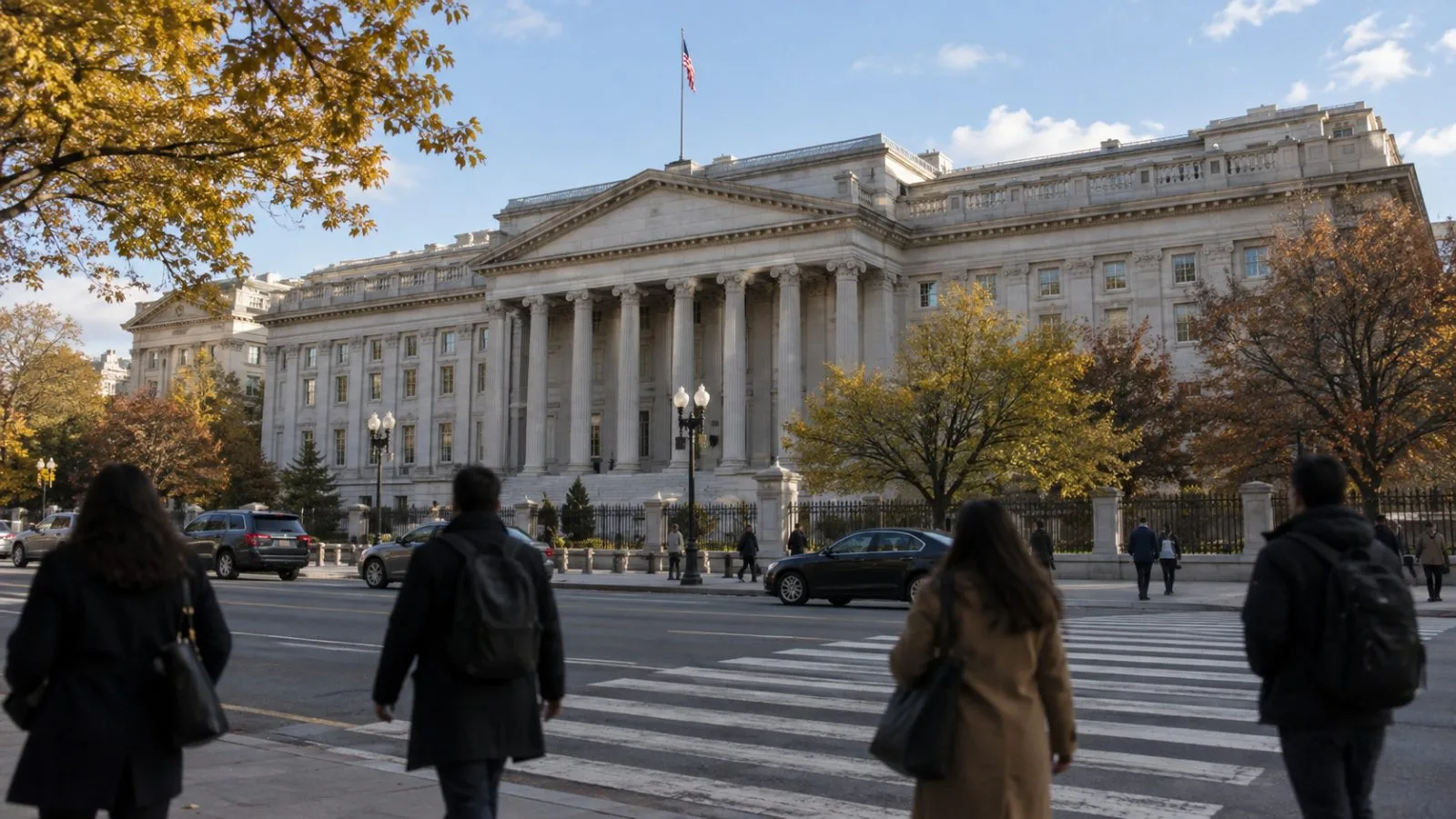
Treasury yields have also climbed sharply. The benchmark 10-year U.S. Treasury yield briefly reached 5% on Monday for the first time in nearly three years amid concerns about inflation and increased government and corporate borrowing.
Gold has now lost more than 3% in September after trading above $4,600 an ounce in late August.
Despite near-term weakness, longer-term demand remains supportive. OCBC raised its precious metals forecasts, citing stronger investment participation and structural demand. The bank now expects gold to reach $4,600 an ounce by December 2026 and projects silver at $69.70.
With gold remaining above the roughly $4,000 support area established during an earlier correction, investors continue to view the precious metal as a portfolio hedge despite pressure from higher rates and a stronger U.S. dollar.