


 Trump Denies Russia and China Are Helping Iran in U.S. Conflict
  Container Ship Sinks in Strait of Hormuz as Iran Attacks Escalate
  IMF Warns US Debt Crisis Needs Fiscal Action, Urges China to Boost Consumption
  Gaza Olive Harvest Collapses as War Destroys Farmland
  US Recalls Nicaragua Envoy After Ambassador Rejection
  MI5 Warns of Rising Iran, Russia Threats and AI Bioweapon Risks
  Zelenskiy Seeks New US Talks to Revive Ukraine-Russia Peace Negotiations
  UN Urges Talks on Lebanon Peacekeeping Mission Extension
  Elon Musk Donates $366 Million to 2026 US Midterms
  Trump Confirms US Intelligence Sharing With Ukraine Amid Russian Strikes
  Trump Denies China, Russia Are Helping Iran in War
  US Supreme Court Denies Release of Anti-ICE Activist Kyle Wagner
  Most Americans Oppose Election Betting on Prediction Markets, Poll Finds
  SpaceX Starlink Restrictions Disrupt Ukraine Military Operations
  US Senate Midterms 2026: Key Races That Could Flip Control
  Jordan Bardella Antisemitism Allegations Threaten Le Pen’s Campaign
  Netanyahu Rejects Preemptive Iran Strike Ahead of Israel Election


 Add as a preferred source on Google
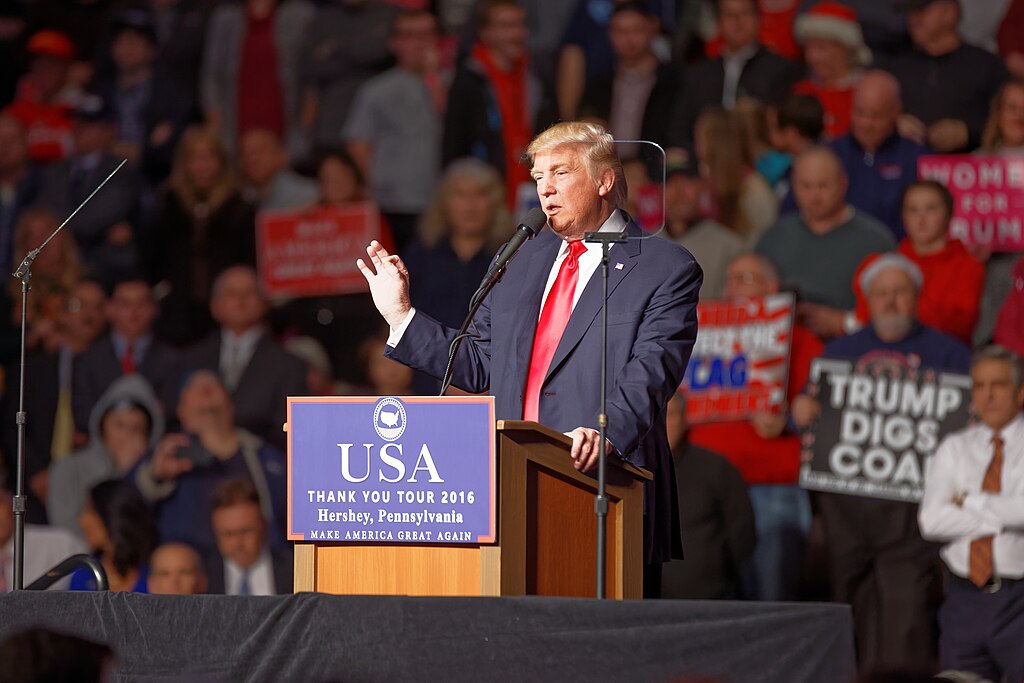
In 2025, Donald Trump’s environmental policies have reignited debates on climate action and sustainability. Supporters tout these measures as pragmatic and growth-oriented, while critics warn of potential long-term environmental damage. His approach, shaped by priorities from his first term, focuses on deregulation, energy independence, and resource utilization, with significant shifts in federal climate goals.
Promoting Energy Independence Over Climate Regulation
Trump’s 2025 environmental agenda emphasizes reducing reliance on foreign energy sources by expanding domestic fossil fuel production. This includes reviving coal mining, increasing offshore oil drilling, and fast-tracking natural gas projects. These measures aim to ensure energy security and lower fuel costs for American consumers.
To achieve these goals, Trump has rolled back key environmental regulations enacted during previous administrations. The Environmental Protection Agency (EPA) has seen a loosening of restrictions on emissions and industrial waste disposal. According to Trump, these regulatory changes foster economic growth and reduce burdens on American businesses.
However, environmental groups argue that deregulation undermines efforts to combat climate change. Critics cite rising carbon emissions and the potential for increased environmental hazards, including water pollution and habitat destruction, as evidence of the policy’s flaws.
Renewable Energy: A Limited Focus
While Trump's policies prioritize fossil fuels, he has not entirely dismissed renewable energy. His administration has offered limited incentives for solar and wind projects in regions with high economic potential. Nevertheless, federal funding for clean energy research and development has significantly decreased compared to the previous administration.
Advocates of renewable energy argue that Trump's policies lack the urgency required to address the growing impacts of climate change. They warn that reduced investment in sustainable solutions may leave the United States trailing other nations in the global transition to green energy.
Public Reactions: Polarized Opinions Emerge
Trump’s environmental policies have sparked diverse reactions from the public, illustrating the nation’s deep divisions on climate and energy issues:
- @EcoAdvocate: "This is a disaster for the planet. Short-term gains at the expense of future generations!"
- @EnergyPatriot: "Finally, a president who understands the importance of American energy independence. This is real leadership!"
- @ClimateWarrior: "Ignoring renewable energy now will cost us more in the future. Trump’s policies are dangerously shortsighted."
- @JobsForAll: "Deregulation means more jobs and economic stability. This is exactly what the country needs right now."
- @GreenFuture: "We need policies that balance energy needs and environmental protection. This isn’t it."
- @ScienceFirst: "Rolling back climate regulations is reckless. We’re running out of time to act on global warming."







