


 Flavio Bolsonaro Backs Brazil’s 40-Hour Workweek Reform Ahead of Runoff
  Trump Denies Russia and China Are Helping Iran in U.S. Conflict
  Elon Musk Donates $366 Million to 2026 US Midterms
  Zelenskiy Seeks New US Talks to Revive Ukraine-Russia Peace Negotiations
  Zelenskiy Says Ukraine Received No Warning Before Russian Missile Attack
  China Warns Taiwan Over South China Sea Coast Guard Incident
  MI5 Warns of Rising Iran, Russia Threats and AI Bioweapon Risks
  Trump Warns Houthis Over Attacks, Considers Erdogan Intervention
  US Supreme Court Denies Release of Anti-ICE Activist Kyle Wagner
  FBI Denies Report of Kash Patel’s Russia Visit
  Kim Jong Un Showcases ICBM Ahead of Possible Trump Meeting
  SpaceX Starlink Restrictions Disrupt Ukraine Military Operations
  US Justice Department Drops Prosecution of Ex-CIA Analyst Sue Mi Terry
  Italy’s Meloni Warns US-Russia Diesel Deal Could Weaken Ukraine Sanctions
  IMF Warns US Debt Crisis Needs Fiscal Action, Urges China to Boost Consumption
  US Condemns China Sanctions on Taiwan Allies Belize and Paraguay
  US Recalls Nicaragua Envoy After Ambassador Rejection


 Add as a preferred source on Google
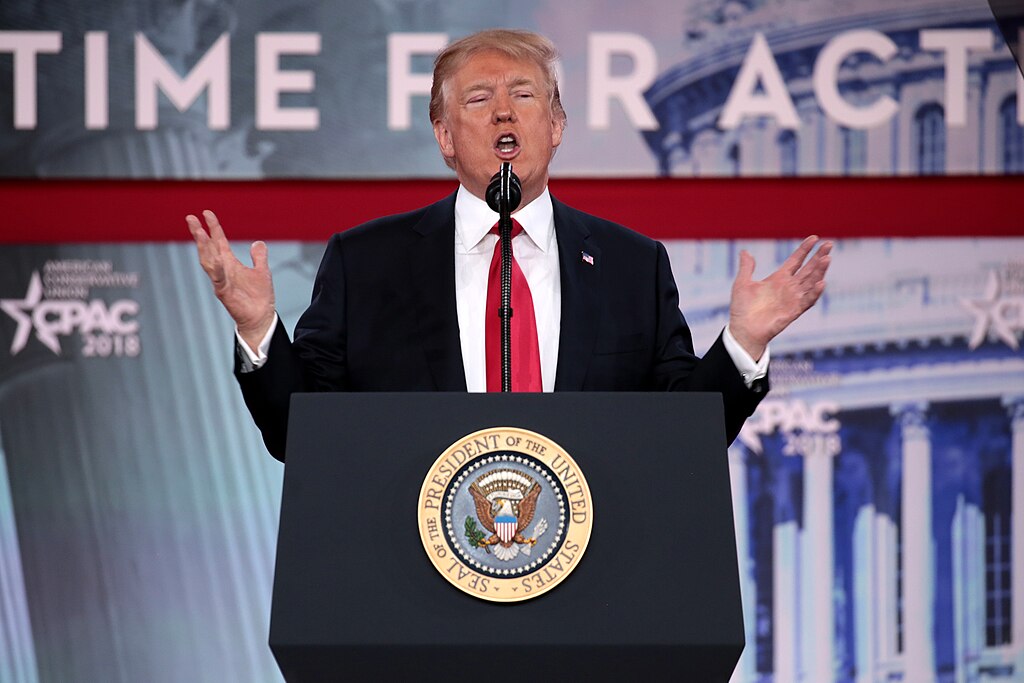
As President Donald Trump takes steps to regulate pharmaceutical prices in 2025, his administration faces scrutiny over its ambitious proposals to lower drug costs while ensuring access to life-saving medications. The plan, hailed by supporters as a move toward healthcare affordability, has drawn criticism from pharmaceutical executives and healthcare analysts, who warn of potential disruptions in innovation and availability.
Key Strategies in Trump’s Pharmaceutical Price Plan
Price Caps on Essential Medications
One of the administration’s cornerstone policies involves capping prices on essential drugs, including insulin and cancer treatments. Trump has proposed limiting price hikes to align with inflation rates, a strategy designed to curb what he called “unnecessary exploitation” of patients. Critics argue that while such measures may bring short-term relief, they could deter companies from investing in research and development for new therapies.
To ensure compliance, the administration is working with the Department of Health and Human Services (HHS) to monitor pharmaceutical pricing closely. Analysts note that the success of this policy hinges on striking a balance between affordability and sustaining innovation.
Importation of Cheaper Drugs
Trump’s administration is also revisiting the idea of importing drugs from Canada and other countries where prices are significantly lower. Supporters highlight this as a practical approach to fostering competition and reducing domestic costs. However, opponents, including some industry leaders, claim that importing drugs could introduce quality control challenges and weaken the U.S. pharmaceutical market.
Additionally, the administration is advocating for increased transparency in pricing practices, requiring drugmakers to disclose production and marketing costs to justify price points. This policy aims to empower consumers with knowledge and promote competition among pharmaceutical companies.
Public Reactions: Social Media Explodes With Divided Opinions
Trump’s bold pharmaceutical price initiatives have ignited fiery debates online, with netizens expressing both enthusiasm and skepticism:
- @RxReformer: “Finally, someone is taking on Big Pharma! Affordable insulin should not be a luxury!”
- @MedMarketAnalyst: “Price caps sound good in theory, but will they stifle innovation? We need a balanced approach.”
- @PatientVoice: “My family spends hundreds on medications every month. This plan is a lifeline for so many!”
- @FreeMarketFan: “Importing drugs? Sounds like a race to the bottom. Protect American businesses and jobs first!”
- @HealthAdvocate2025: “Transparency is overdue. If Big Pharma has nothing to hide, why the resistance?”
- @CriticWatch: “Trump’s policies will hurt more than help. Regulatory overreach rarely ends well.”







