


 China Industrial Profit Growth Slows as Weak Demand Offsets AI Gains
  Japanese Yen Retreats as Dollar Rises Ahead of Fed, BOJ Rate Decisions
  Asian Stocks Fall as Bond Yields and Oil Prices Surge
  Oil Prices Rise as Iran Holds Firm on Strait of Hormuz Deal
  South Korea Exports Set for 16th Monthly Gain on AI Chip Demand
  Gold Slides Below $4,300 as Oil Surge Fuels Fed Rate Hike Bets
  Yen Sinks as BOJ Rate Hike Fails to Impress Markets
  RBA Set for September Rate Hike as Inflation Stays High
  RBI Uses $10 Billion Currency Swaps to Drain Excess Rupee Liquidity
  Oil Prices Jump Nearly 3% as Iran Holds Firm on Hormuz Conditions
  Asian Currencies Mixed as Yen Weakens, RBA Hike Looms
  China, US Extend Trade Truce Through January 10 After Trump-Xi Summit
  Gold Rebounds as Oil Falls and Treasury Rout Eases
  Fed’s Williams Signals One More Rate Hike Before Year-End
  Fed Unveils Stablecoin Rules Under GENIUS Act
  UK Housebuilder Stocks Surge on New First-Time Buyer Loan Scheme


 Add as a preferred source on Google
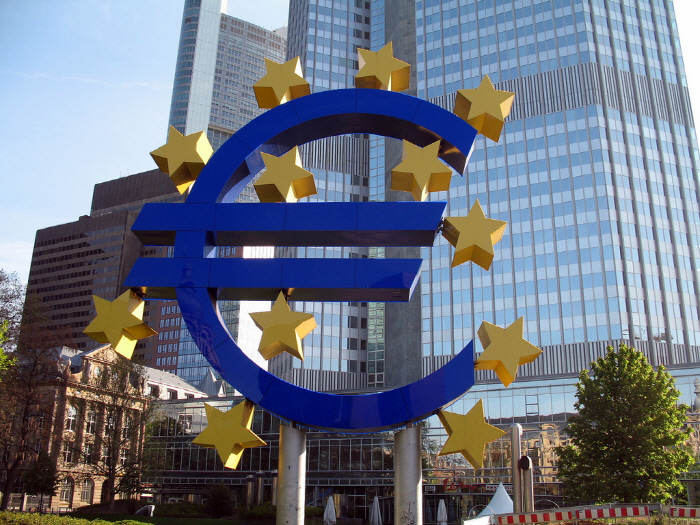
The European Central Bank is increasingly considering an interest rate hike at its upcoming June meeting as rising energy prices linked to the Iran conflict continue to intensify inflation pressures across the eurozone, according to a Bloomberg report citing ECB Governing Council member Martin Kocher.
Kocher stated that inflation in Europe is now expected to rise more than previously forecast due to higher oil and transportation costs caused by geopolitical tensions in the Middle East. Speaking during a meeting of European finance ministers in Cyprus, he said ECB policymakers are currently deciding between holding interest rates steady or implementing another rate increase next month.
According to Kocher, current economic conditions strongly suggest that the ECB’s June 10-11 policy meeting will focus on those two options. However, he noted that uncertainty remains elevated because of ongoing global developments and refused to provide guidance beyond next month’s decision.
Financial markets have been reassessing expectations for European monetary policy after oil prices surged following the escalation of tensions involving Iran and the United States earlier this year. Disruptions to shipping routes through the Strait of Hormuz, a critical corridor for global energy supplies, have added pressure to fuel prices and increased concerns about broader inflation in Europe.
Although U.S. President Donald Trump recently claimed that a peace agreement with Iran had been largely negotiated, no formal details have been released, leaving markets cautious.
Despite weaker-than-expected first-quarter growth, Kocher said the eurozone economy has shown resilience amid geopolitical uncertainty. Inflation had previously returned close to the ECB’s 2% target before the latest energy shock emerged.
The ECB’s updated economic forecasts, scheduled for release during next month’s meeting, are expected to play a crucial role in determining whether policymakers move forward with another interest rate hike to contain inflation risks.







