


 Panama Declares Emergency After 7.7 Earthquake Triggers 200 Aftershocks
  Trump Defends Russian Diesel Deal Amid US Sanctions Backlash
  Jordan Bardella Antisemitism Allegations Threaten Le Pen’s Campaign
  NATO Commander Warns Russia of Devastating Response to Attack
  North Korea Fires Ballistic Missiles as Tensions With South Korea Escalate
  UK Finance Minister Healey Calls for Fiscal Discipline Amid Global Risks
  Kim Jong Un Showcases ICBM Ahead of Possible Trump Meeting
  Pakistan Declares Emergency in Khyber Pakhtunkhwa, Suspends Imran Khan’s PTI Government
  Trump Plans White House Shake-Up of Key AI Safety Agency
  US Authorities Raid Ilhan Omar’s Home Amid Immigration Fraud Probe
  Russian Strikes Kill Six in Ukraine, Including Three in Kharkiv
  Trump Announces Russia-Ukraine Energy Ceasefire Amid U.S. Pressure on Kyiv
  Greenland Lawmakers Back Trump Security Deal Despite Economic Concerns
  Trump Announces Russia-Ukraine Energy Ceasefire as Zelenskiy Awaits Details
  US Condemns China Sanctions on Taiwan Allies Belize and Paraguay
  European Auto Stocks Rise as EU-China Trade Deal Targets Hybrid Imports
  Yandex Data Center Hit by Drone Strike as Russia-Ukraine Cyber Infrastructure Attacks Escalate


 Add as a preferred source on Google
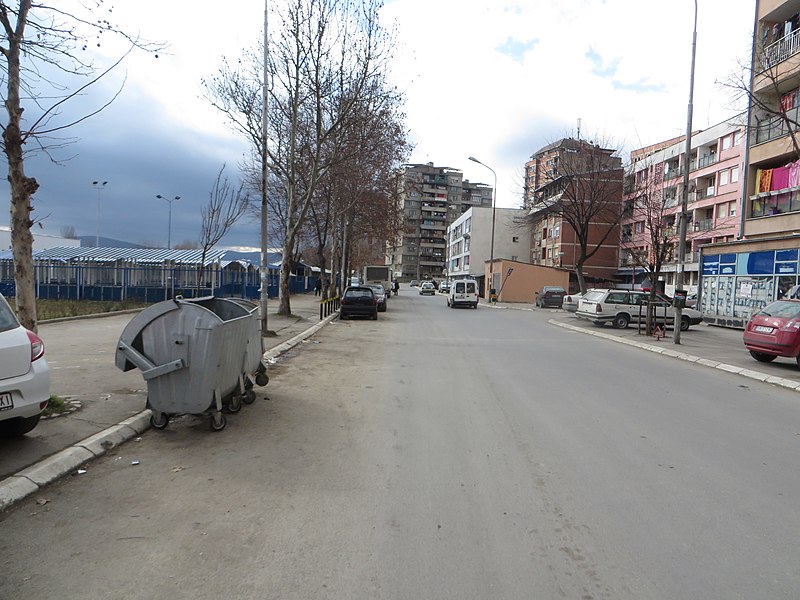
Police officers of the European Union have undertaken patrols in northern Kosovo following the resignation of hundreds of Serb police officers. The mass resignation of the Serb officers follows the license plate dispute between Kosovo and Serbia amid fears by the West that it would restart ethnic violence.
The EU’s 130 police officers from Poland and Italy have begun patrolling northern Kosovo over the weekend. The patrols by EU officers follow the mass resignation of around 600 Serb police officers in protest of the car license plate dispute between Belgrade and Pristina. Serb judges, prosecutors, and other state employees also resigned earlier this month in protest, as Pristina ruled that all the local Serbs must replace their car license plates with ones issued in Kosovo.
Serbia does not recognize Kosovo’s authorities after it declared independence in 2008. Serbs in northern Kosovo also do not recognize Kosovan authorities.
The 130 EU officers are patrolling three municipalities in Kosovo where there is no local police presence. The officers, however, have no powers of arrest, but the bloc wants their presence to fill the security vacuum.
The European Union and the United States are looking to find a solution by Monday as Kosovo’s Prime Minister Albin Kurti said that drivers that still use old Serbia-issued license plates would be fined. Local Serbs have refused to change their license plates. Friday last week, the bloc invited Kurti and Serb President Aleksandar Vucic for urgent talks in Brussels, but neither side has confirmed their attendance.
The US and the EU have urged Kosovo to delay the implementation of the new policy, but Kurti has not signalled his intention to do so.
In other related news, the bloc’s climate policy chief Frans Timmermans warned that the bloc was ready to walk away from climate negotiations if there is no satisfactory outcome. However, Timmermans said he believed a deal could still be made Saturday during the COP27 climate summit in Egypt.
Timmermans also called on the others involved in the negotiations to also make the same efforts to find a deal, especially on the issue of funding poorer countries that have been affected by climate-related calamities.







