


 US Authorities Raid Ilhan Omar’s Home Amid Immigration Fraud Probe
  European Auto Stocks Rise as EU-China Trade Deal Targets Hybrid Imports
  Yandex Data Center Hit by Drone Strike as Russia-Ukraine Cyber Infrastructure Attacks Escalate
  Zelenskiy Offers Russia Energy Truce Amid Trump Pressure
  Kim Jong Un Showcases ICBM Ahead of Possible Trump Meeting
  Mahmoud Abbas Postpones Palestinian Elections to September 2027
  US Condemns China Sanctions on Taiwan Allies Belize and Paraguay
  Trump Announces Russia-Ukraine Energy Ceasefire as Zelenskiy Awaits Details
  Trump Announces Russia-Ukraine Energy Ceasefire Amid U.S. Pressure on Kyiv
  Pakistan Declares Emergency in Khyber Pakhtunkhwa, Suspends Imran Khan’s PTI Government
  Trump Denies Russia and China Are Helping Iran in U.S. Conflict
  Brazil Election: Lula and Bolsonaro Rally Ahead of October 25 Runoff
  Trump Defends Russian Diesel Deal Amid US Sanctions Backlash
  North Korea Fires Ballistic Missiles as Tensions With South Korea Escalate
  Djibouti Migrant Boat Capsizes, Killing 139 and Leaving 84 Missing
  Trump Sanctions International Criminal Court, Sparking EU Backlash
  Elon Musk Donates $366 Million to 2026 US Midterms


 Add as a preferred source on Google
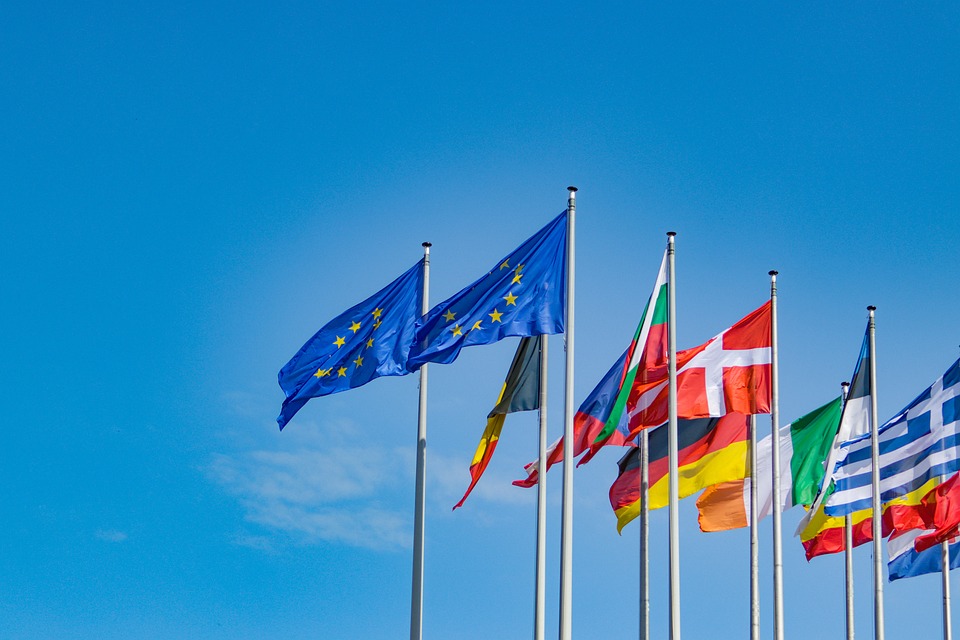
The defense ministers of the countries under the European Union were urged this week to coordinate their purchases of weapons. This comes as the West is rushing to restock its supplies that were depleted from its shipments of arms to Ukraine.
The head of the bloc’s diplomatic service security and defense division, Stijn Mols, told the European Parliament committee Wednesday the urgency of replenishing stocks of weapons to restore the readiness of European troops. This follows the rush by Western countries to replenish their stocks of weapons, prompting suppliers to ramp up production to meet demands.
“It is urgent to restore the readiness of our European armed forces and replenish depleted stocks,” said Mols.
As the bloc’s defense ministers are set to meet on November 15, Mols said he hoped they would present substantial proposals for coordinated weapons purchases. Mols said EU countries need air and missile defense, anti-tank and artillery systems, as well as drones. The bloc is looking for around 5-7 “emblematic projects” to coordinate weapons purchases by member countries.
Defense purchases among EU countries are rarely done in a coordinated manner, as countries are eager to support their local industries.
“It is now really the occasion for all of us to set aside these long-standing…national interests,” said Mols.
Meanwhile, the bloc’s regulators said they are considering extending easier state-aid rules due to the ongoing war in Ukraine, allowing governments to support businesses that were affected because of the war until the end of 2023, according to competition chief Margrethe Vestager. The rules were first introduced in March and were revised in May.
The EU’s executive branch is looking to receive feedback from countries on public guarantees that they can provide to energy firms to cover the financial collateral or their trading activities to offset the high market prices and volatility. EU governments are also being asked how the rules could be more flexible to allow them to provide faster and more effective support to companies that are facing high energy bills.
Vestager said the European Commission has so far given the go signal on several billions of euros in state aid.







