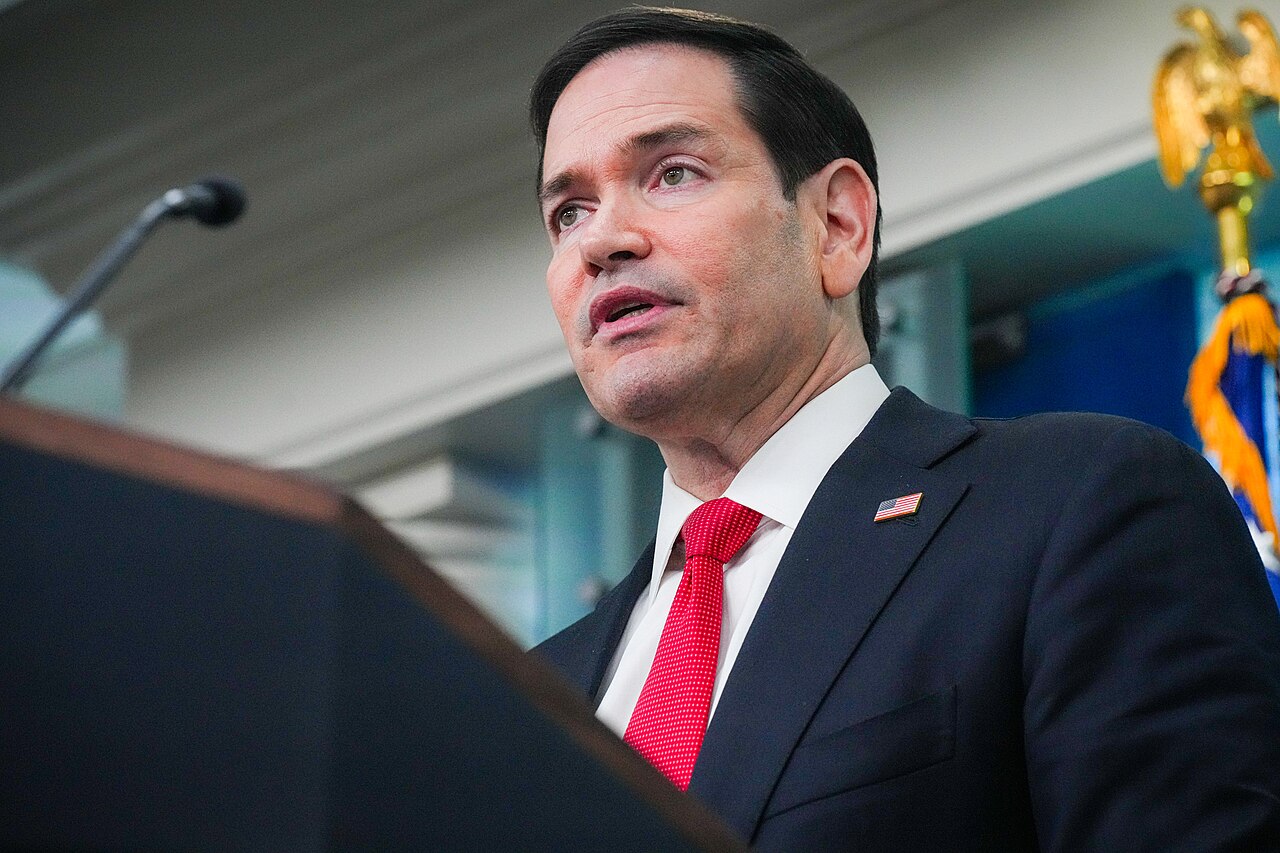
U.S. Secretary of State Marco Rubio is set to meet NATO foreign ministers in Sweden on Friday amid rising tensions over the Iran war and growing uncertainty surrounding America’s future role in the alliance. The meeting comes after President Donald Trump openly criticized NATO members and raised doubts about Washington’s commitment to the military bloc.
Before departing for the NATO talks in Helsingborg, Rubio said Trump was frustrated with countries that refused to allow the United States to use military bases during the recent U.S.-Israeli campaign against Iran. Spain was specifically criticized for denying access to American operations.
Rubio questioned Spain’s role in NATO, arguing that alliance members should support collective security efforts. While he acknowledged that several NATO countries had cooperated by allowing the use of airspace and military facilities, he emphasized the need for further discussions about burden-sharing within the alliance.
Trump has repeatedly accused NATO allies of failing to contribute enough to military operations and defense spending. His remarks about potentially withdrawing the United States from NATO have increased concerns across Europe about the future stability of the alliance.
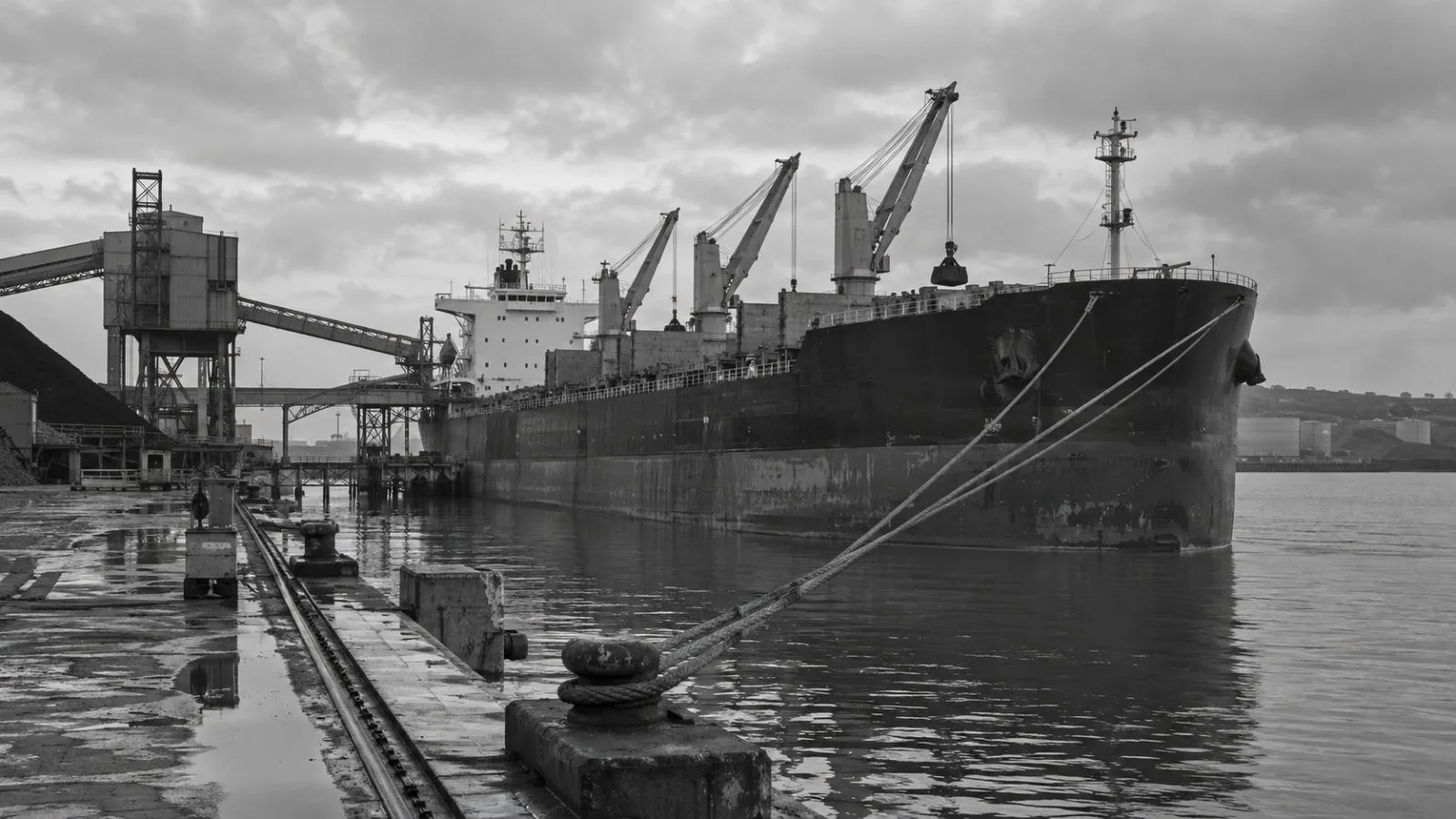
European officials attending the Sweden meeting are expected to reassure Washington by offering greater support for security operations, including protecting navigation routes through the Strait of Hormuz. The waterway remains strategically important after Iran restricted maritime traffic during the conflict.
Tensions have also intensified following the U.S. announcement that 5,000 troops will be withdrawn from Europe. Initial reports suggested forces would leave Germany, although U.S. officials later clarified that a planned brigade deployment to Poland would instead be delayed.
In addition, Washington reportedly plans to reduce the military capabilities it provides NATO during crises and has canceled plans to deploy Tomahawk missiles in Germany. NATO officials, however, insist the changes will occur gradually, giving European allies time to strengthen their own defense capabilities and reduce dependence on the United States.