Living costs and concerns about democracy drove Democratic gains in Tuesday’s US midterm elections, Ashley Koning, director of Rutgers University’s Eagleton Center for Public Interest Polling, said.
The results reversed the Republican gains among Latino voters in 2024, but whether that shift will last through 2028 remains uncertain. Democrats face demands for concrete results on affordability within the next two years.
In Bloomberg Television’s “Economy and Democracy Drove the Blue Wave,” published Nov. 7, Koning said the outcome could reflect voters switching parties, Republicans staying home and stronger Democratic turnout.
“We won’t really know until we look at the numbers more and more,” she said. Late decisions could also have contributed to the result.
Voters who participate less frequently backed Democrats late in the campaign, although those voters typically support Trump in presidential elections. Younger Republicans, including younger Black Republicans in the South, did not match turnout among their Democratic counterparts.
Surveys conducted before election day, alongside election-day polling, help capture early and postal voters. They provide information about who voted and what motivated them, with results adjusted to match the final vote.
Pollsters’ efforts to account for Trump supporters also raised questions about whether their methods gave Republicans too much weight. One method, recalled-vote weighting, adjusts survey results using respondents’ accounts of their previous votes.
Using the 2024 election as a benchmark could overstate Republican support when Trump is absent from the ballot. Each election draws a different electorate, making the choice of adjustments consequential.
Polls broadly captured the direction of the result but underestimated the size of Democratic gains. Koning projected a Democratic lead of about 13 percentage points in the national popular vote.
She put the New York Times/Siena poll a few points below that projection. Results varied among polling firms, and heavier weighting of Republicans in some samples pulled polling averages toward the party.
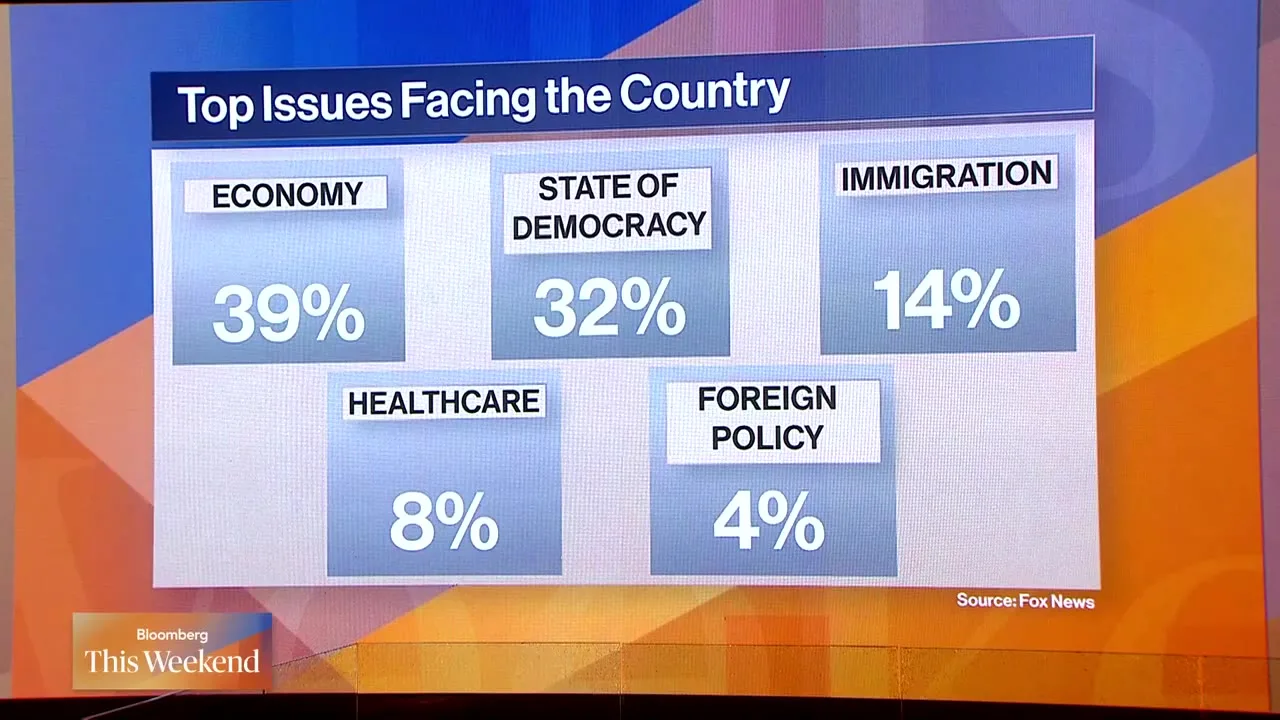
Living costs and democracy ranked above immigration and many social issues among voters’ concerns. The war in Iran also mattered, while corruption and affordability helped bring Democratic voters to the polls.
Latino voters’ shift back toward Democrats challenged the idea that their support had settled with Republicans after 2024. Latino men who had supported Trump moved toward Democrats, and almost every demographic group shifted left.
The durability of those changes remains unresolved. Democrats’ immediate task is to show voters tangible progress as candidates begin announcing campaigns for the next election.
“I think they need to prove something concrete in the next two years, especially as candidates start announcing, and it needs to be on affordability,” Koning said.