Egypt’s Cabinet set a goal for private investment to account for 67% of total investment by fiscal 2029/30, putting business-led growth at the center of a four-year program as public financing needs remain high.
The government targets growth of 6.8% by that fiscal year, up from 5.1%, and total investment of 20% of gross domestic product (GDP), compared with 12.7%. Those figures are goals, not results already achieved.
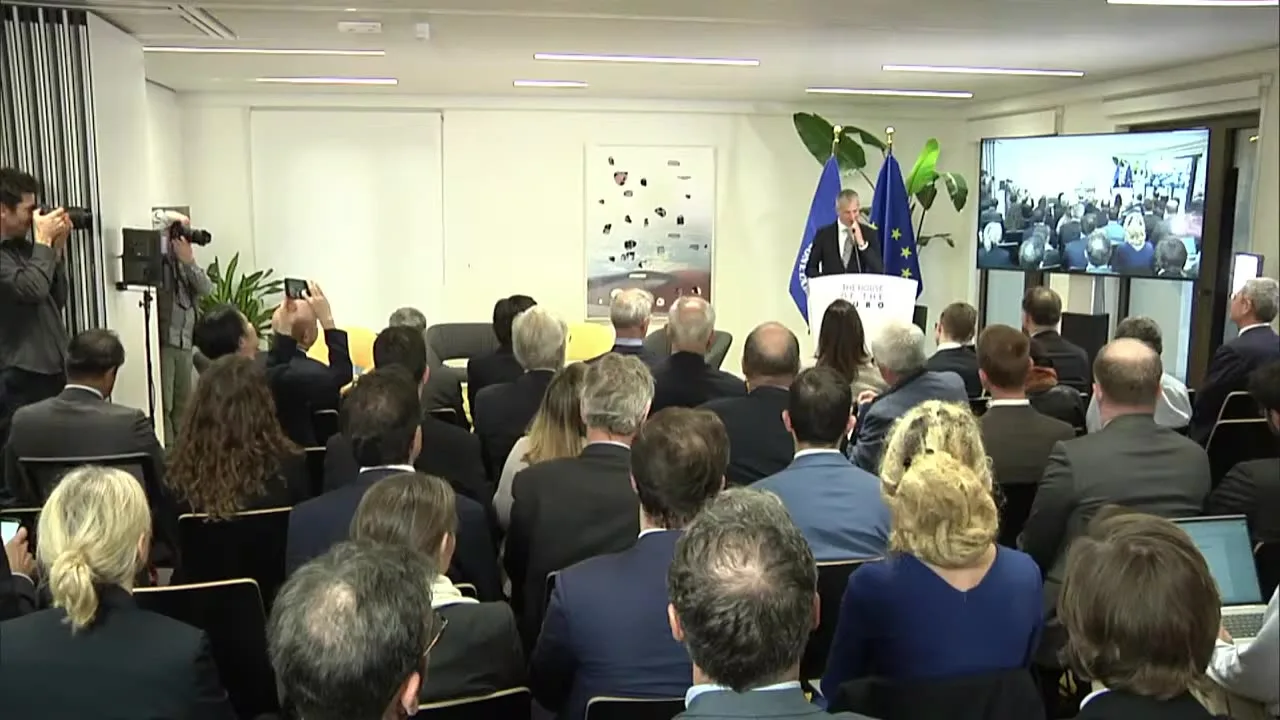
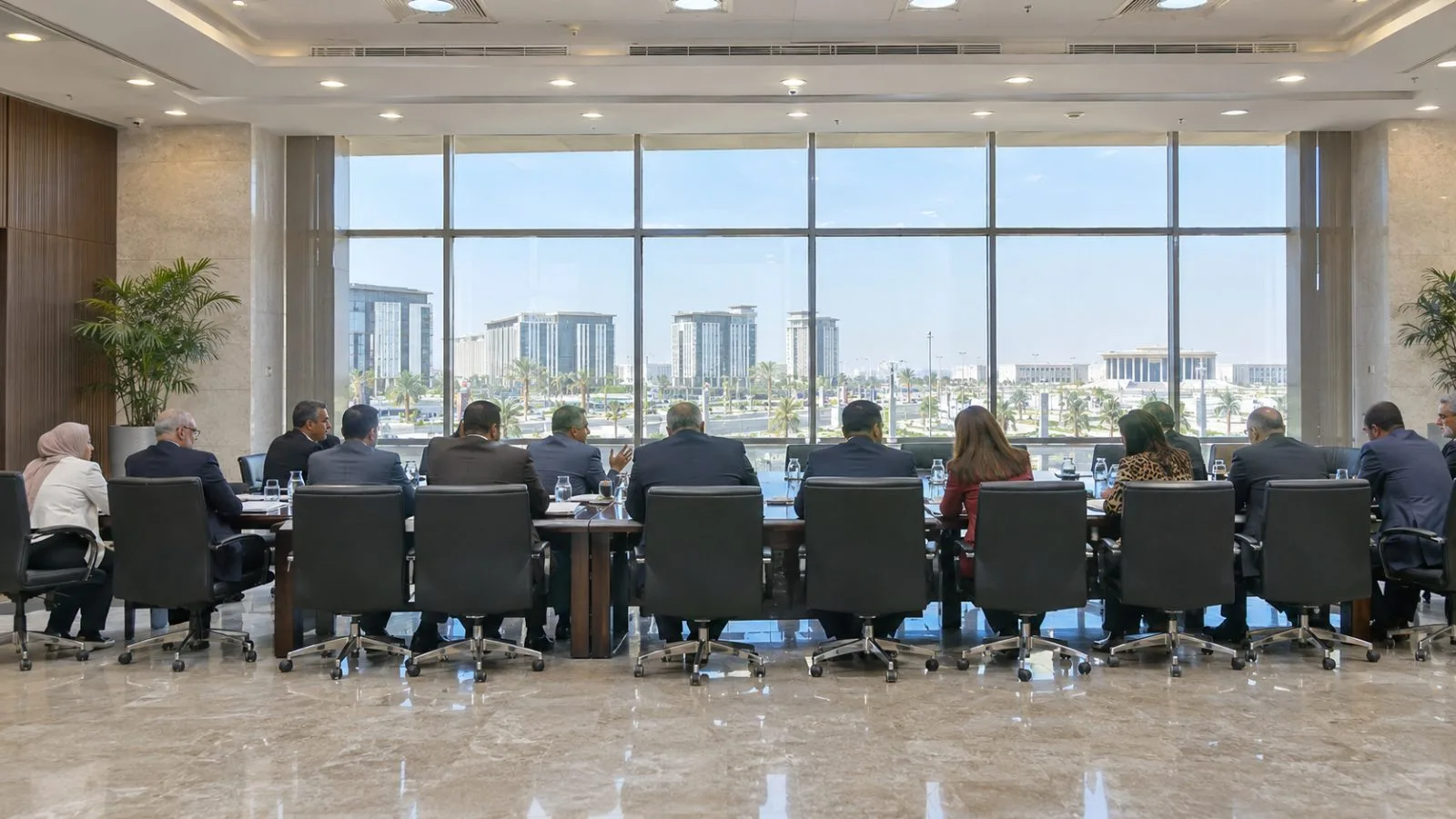
President Abdel Fattah El-Sisi discussed the program at the World Economic Forum’s Country Strategy Meeting in Cairo on Nov. 16-17. He said it was due to be announced in December 2026. The presidency said about 80 entities attended, including global companies and multilateral financial institutions. The government says the program aims to raise productivity and help Egyptian businesses compete in regional and global supply chains.
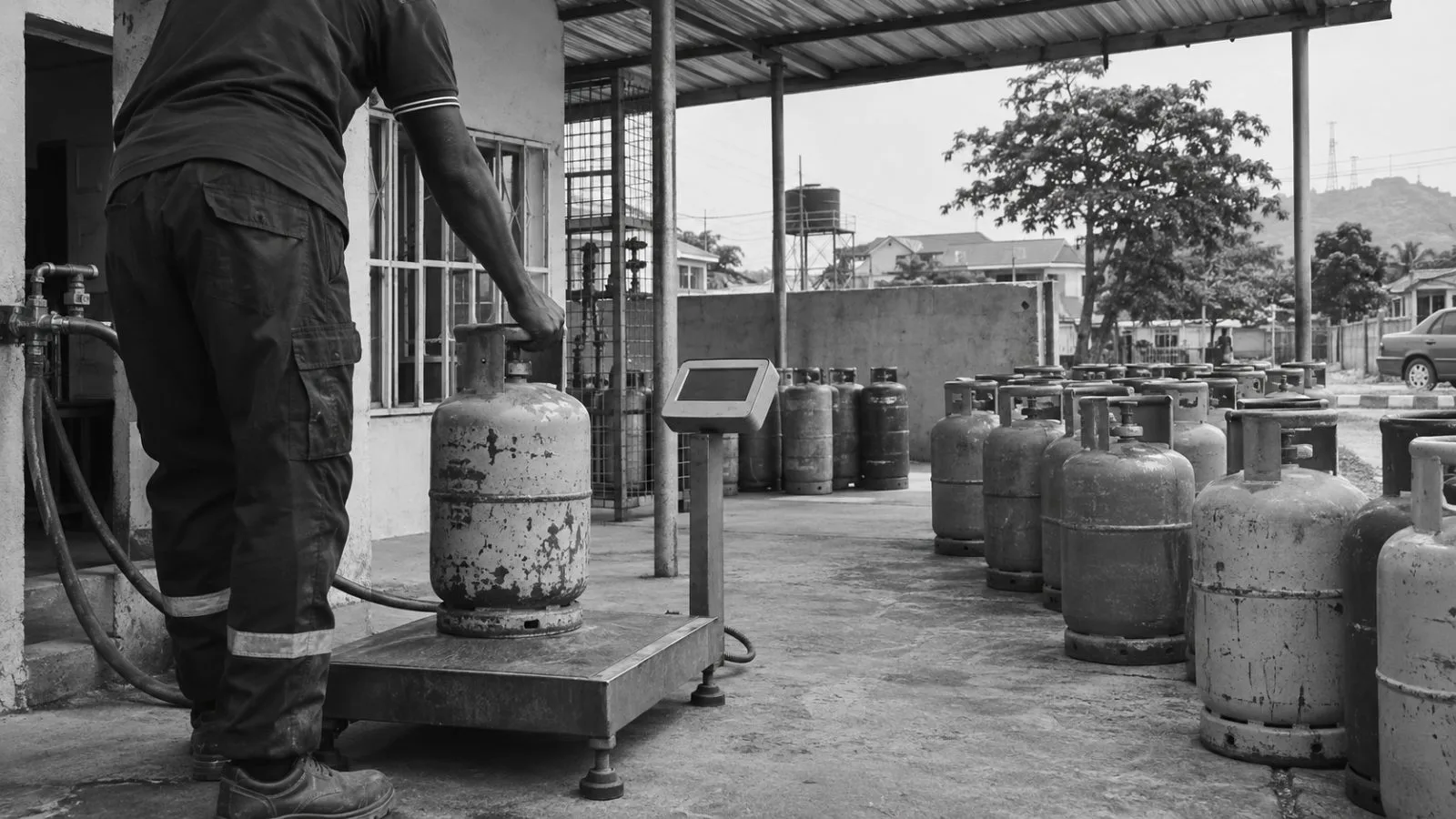
At the meeting, El-Sisi also described initiatives on industry, energy and artificial intelligence. He cited goals for industry to contribute 20% of GDP and green industries 5%. According to the presidency, Egypt expects Cypriot gas to reach its Idku and Damietta liquefaction plants by 2028 before export to Europe. The presidency said Egypt had issued a second edition of its National Artificial Intelligence Strategy and was seeking investment in data centers, cloud computing and AI research.
The International Monetary Fund (IMF) said Egypt’s public debt and financing needs remain high. It expects gross financing needs to stay near 40% of GDP in the near term and said the scale of those requirements could leave less credit available to private businesses, weighing on their investment. The presidency’s account said El-Sisi recognized that the public had borne costs from measures under the IMF program.
Investment and Foreign Trade Minister Mohamed Farid Saleh wrote in a World Economic Forum article that Egypt’s investment strategy, developed with the World Bank, aims to attract $77 billion in foreign direct investment by 2030, excluding exceptional large deals. The Cabinet plans public consultation on its economic program and aims to complete the final version by the end of December 2026.