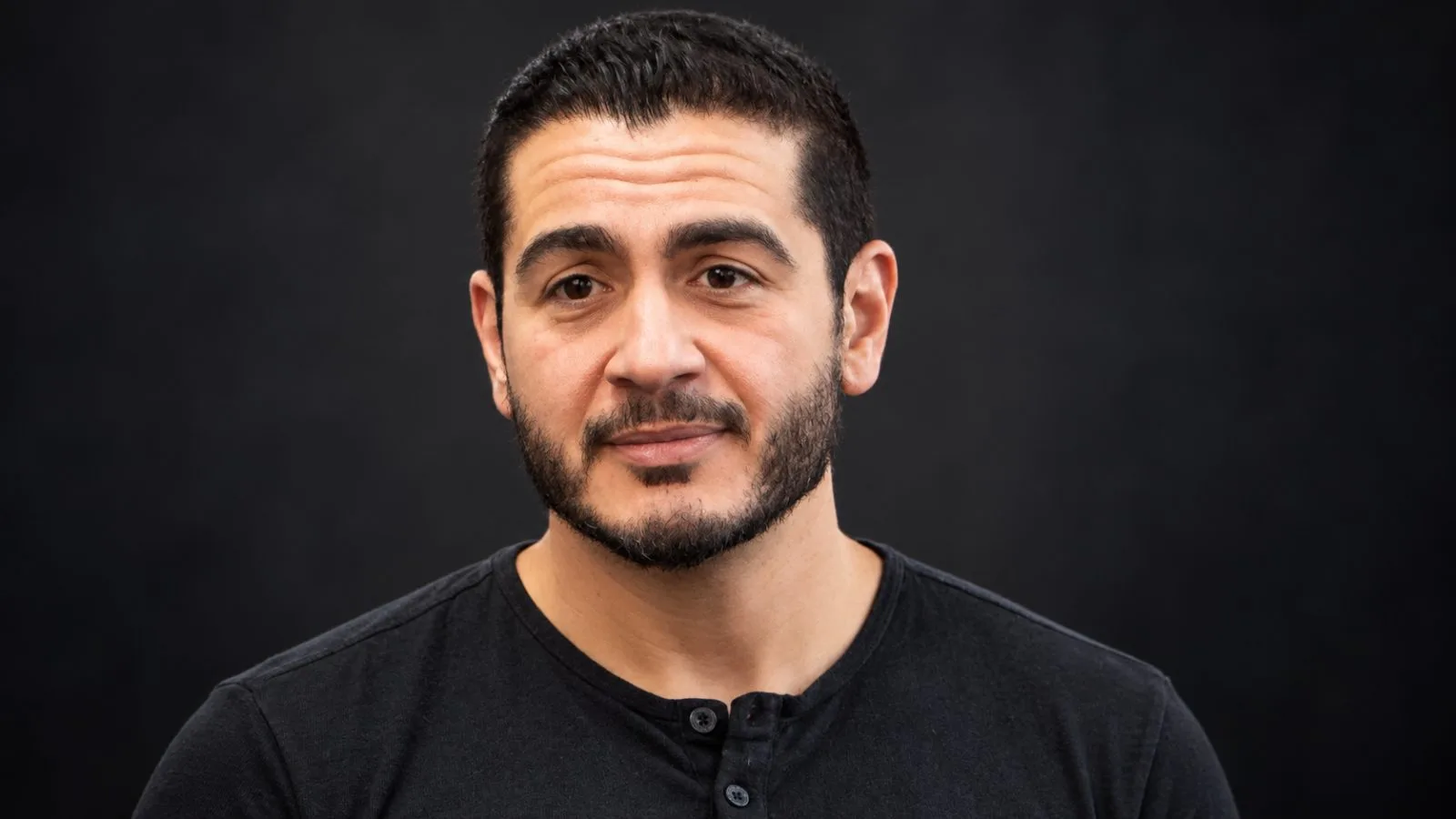
Abdul El-Sayed won Michigan’s Democratic Senate primary by fewer than 14,000 votes, and an October poll shows a near tie with Republican Mike Rogers as voters prepare for the Nov. 3 election.
The Michigan Secretary of State’s final results show El-Sayed received 744,952 votes, or 48.45%, compared with Rep. Haley Stevens’ 731,160 votes, or 47.55%. His margin was 13,792 votes. Mallory McMorrow received 61,516 votes, or 4%.
El-Sayed’s 0.9-percentage-point edge was far smaller than the 15-point lead Emerson College Polling recorded. Its survey of 700 likely Democratic primary voters, conducted July 26-27, put him at 54% to Stevens’ 39%, with 6% undecided. The poll’s credibility interval was ±3.7 percentage points.
A Marist poll conducted Oct. 15-18 found El-Sayed at 50% and Rogers at 48% among likely voters. The survey included 1,185 registered Michigan voters and had a margin of error of 4.3 percentage points for likely voters. The two-point gap falls within that margin and does not establish a clear leader.
Nate Silver wrote in Silver Bulletin on Aug. 5 that the result was “probably bearish for Democrats in the general election,” while cautioning against treating a primary as a forecast. He described the nomination as a progressive gain but said the narrow result offered Democrats little reassurance about November. Silver also noted that El-Sayed lost the 2018 Democratic gubernatorial primary to Gretchen Whitmer by 22 points.
The Associated Press reported that El-Sayed campaigned on Medicare for All, a cutoff in military support for Israel and changes to campaign-finance rules. The polls measure candidate preferences; they do not show whether those policies influenced voter support.
El-Sayed also featured in EconoTimes’ earlier comparison of Senate and gubernatorial polling margins. Michigan voters will decide the Senate contest Tuesday, Nov. 3.