A paper published Oct. 15 in Cell Reports Medicine found Elephas Biosciences’ elive™ platform matched clinical results in 26 of 28 cases, without testing whether the predictions improve patient outcomes.
The same 28-patient validation group produced an 83% identification rate: elive marked 10 of the 12 patients with an objective response as predicted responders. The 93% figure reflects agreement across the whole group, while the objective-response tally focuses on 12 patients. An American Association for Cancer Research conference abstract said the platform classified 17 of 19 patients with clinical benefit as responders and all nine with progressive disease as nonresponders. The benefit definition also covered patients whose disease remained stable, along with those with complete or partial responses.
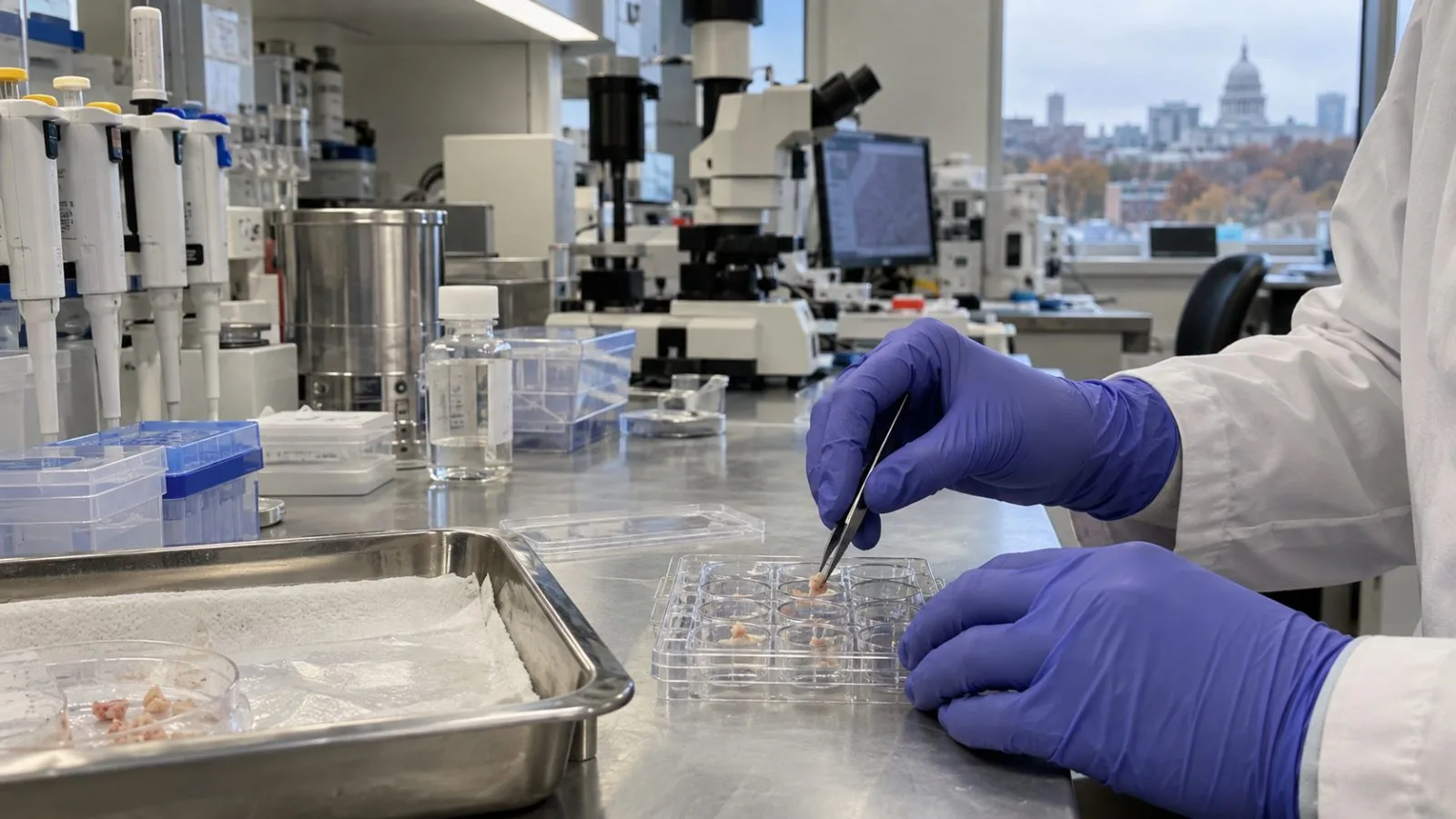
The elive index is a binary classifier. It exposes live tumor fragments to immune checkpoint inhibitors and uses changes in eight cytokines to label samples as predicted responders or nonresponders.
Researchers collected tissue from 228 patients with suspected cancer through three observational trials and biobanks. Of 163 specimens processed, 142 passed quality checks. The analysis used data through Mar. 24, 2025.
The validation group included 14 Tier 1 cases in which clinical treatment matched the laboratory exposure, or partly matched it when disease progressed. The other 14 were Tier 2 cases: patients predicted to respond in the lab who received combination treatment. Because the trials were observational and treatment choices were not controlled, other therapies may have influenced outcomes.
In separate training data, elive predictions disagreed with established immunotherapy biomarkers in 44% of cases. Among patients with biomarker data, 12 (15% of the comparison group) had negative biomarker results but were classified by elive as predicted responders. Those figures do not show that these patients would benefit from a different treatment. The study also did not compare outcomes or costs for patients whose care was selected using the platform.
The authors said further evaluation should use larger groups focused on individual cancer types and prospective studies with controls. Elephas says three clinical trials are evaluating concordance; its resources page separately describes ongoing accuracy studies as observational. The company says its elive Test is available to licensed health professionals in the United States.