Let’s face it: When most of us see the temperature outside fall to minus double digits, our first instinct isn’t to gleefully run outside.
I was no different. I was a sedentary kid who found my sport — rowing — relatively late, but as soon as I did, I craved rowing on New Brunswick’s Saint John River in the spring, summer and fall months. Winter was an obstacle.
I feel very differently about winter activity these days. Along my journey from sedentary adolescent to Olympic athlete, I’ve realized that having the right supports in place can make a big difference, not just in people’s attitudes towards physical activity and sport participation, but in their ability to identify and overcome barriers as well.
I experienced some of those barriers myself, especially when it came to outdoor activity in the cold.
Failing to prepare is preparing to fail
As a researcher and physician, I know how critical physical activity is for our health. So it became my mission to educate health-care providers, support people to be more active, create access to activity and provide tools to remove barriers — not just in elite sport, but even becoming active in the first place. While the message often gets through to patients when the outdoors beckons in the milder weather, one barrier often remains: winter.
The pandemic has been limiting in many ways, but throughout it one of the freedoms available to many people has been to exercise outside. And that is what did it for me: the need to get outside daily, breathe air outside of masks, create space and feel normal again.
Yet as I watch the 24th edition of the Winter Olympics, I am in awe of the skiers and snowboarders performing aerial feats, skaters gliding effortlessly on the ice, hockey players focused on the puck, all devoting their lives to being excellent… in the cold. How do they do that?
It’s a good question to start with since we might be able to glean a few pearls from high-performance sport to make enjoying the cold a bit easier to imagine in our own lives.
Olympic athletes know they must be ready to perform at their best despite the cold. If they don’t prepare for the weather conditions, it can hurt their performance and even their health.
Frigid wind is a big concern for alpine skiers and sliding sport athletes, while Nordic skiers and biathletes push themselves for hours at a time in the cold. Exposure to the cold transfers valuable body heat to the environment and can lead to hypothermia and/or frostbite. What’s the Olympic solution all these athletes have in common? Limit exposure to limit risk. In other words, cover up!
Many people will have heard how athletes train in the heat to acclimatize to it. Canada’s Tokyo-bound athletes did so in the lead-up to the 2020 Olympic Games. But can you acclimatize to the cold? Unfortunately, the answer appears to be no, although living in a cold environment may help your metabolism adapt. But if you’re rested, fit and wearing wind-protective clothing, you’re a step ahead.
Know the weather conditions before you head out the door. In Olympic Games, these are measured and recorded before and during outdoor events. Officials monitor the weather and cancel the event if it’s too cold.
No such thing as bad weather, just bad clothing
Current recommendations include avoiding competitions if the combined air temperature and wind speed (including the speed of the competitor) would achieve an effective wind chill temperature colder than −27 C. While most of us can’t easily measure wind speed, a useful takeaway is, once again, keep your skin protected. Even without wind chill, an ambient air temperature of −15 C or lower increases the risk of frostbite on exposed skin.
Modify your plans and avoid competing or exercising when you’re sick. Prolonged intense breathing in the cold can irritate your airways. Olympic athletes may be at higher risk for asthma and respiratory illnesses, which can occur in over half of elite Nordic skiers. Respiratory viral infections and not taking enough recovery time between vigorous physical activities in the cold tend to make things worse.
A balaclava, neck gaiter or heat-and-moisture exchange mask are all good options to help protect the airways. Also, be sure to take time to recover fully between any outdoor sessions.
Steps toward embracing winter like an Olympian
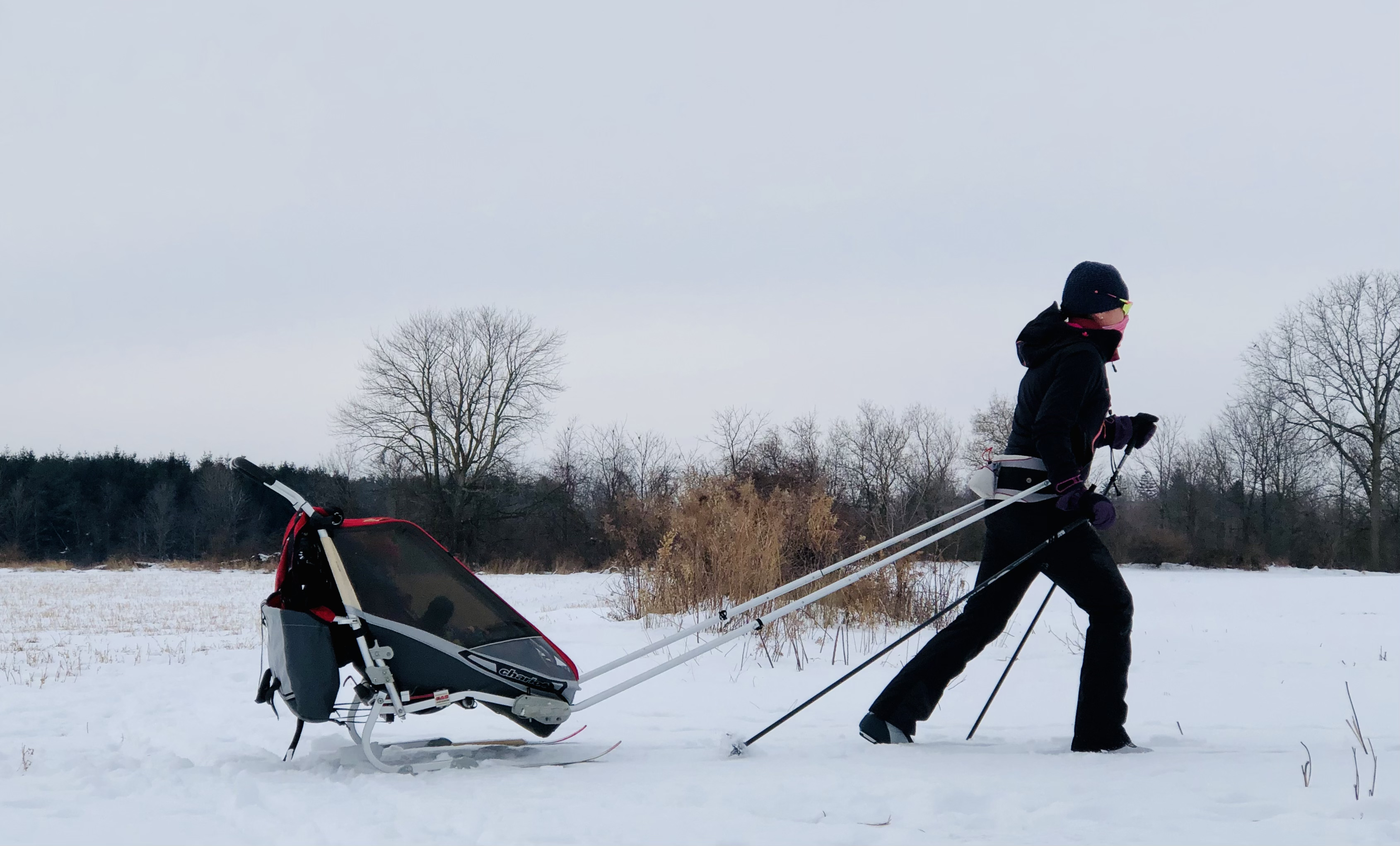
Plan your equipment. First, layer up! Add or remove layers as necessary, or be like our Olympic Nordic skiers who change their base layer right before competition. Experiment to find the right system for you.
If you’re trying a new sport for the first time, get rental equipment and ask for help in choosing the right sizes. Use a helmet and/or appropriate safety gear for the sport.
If you’re taking up walking or hiking, use anti-slip devices, like traction cleats or rubber grips, on the soles of your boots. They are proven to decrease fall risk especially in older adults. Consider the use of Nordic poles. Here are some tips for getting the most of your walk.
Have fun! Yes, serious athletes have fun too! As an Olympian I had the most fun when I felt most prepared, physically and mentally. Many people find it fun to try something new and challenge themselves, but it’ll be even more fun if you’re well prepared.
If you’re already active in the winter, can you remove obstacles for a friend or family member? The pandemic has widened the gap for accessing physical activity for many in our population. This is a great time to reach out.
With the right preparation and access to physical activity and sport, we can all benefit. Let your own Winter Games begin!