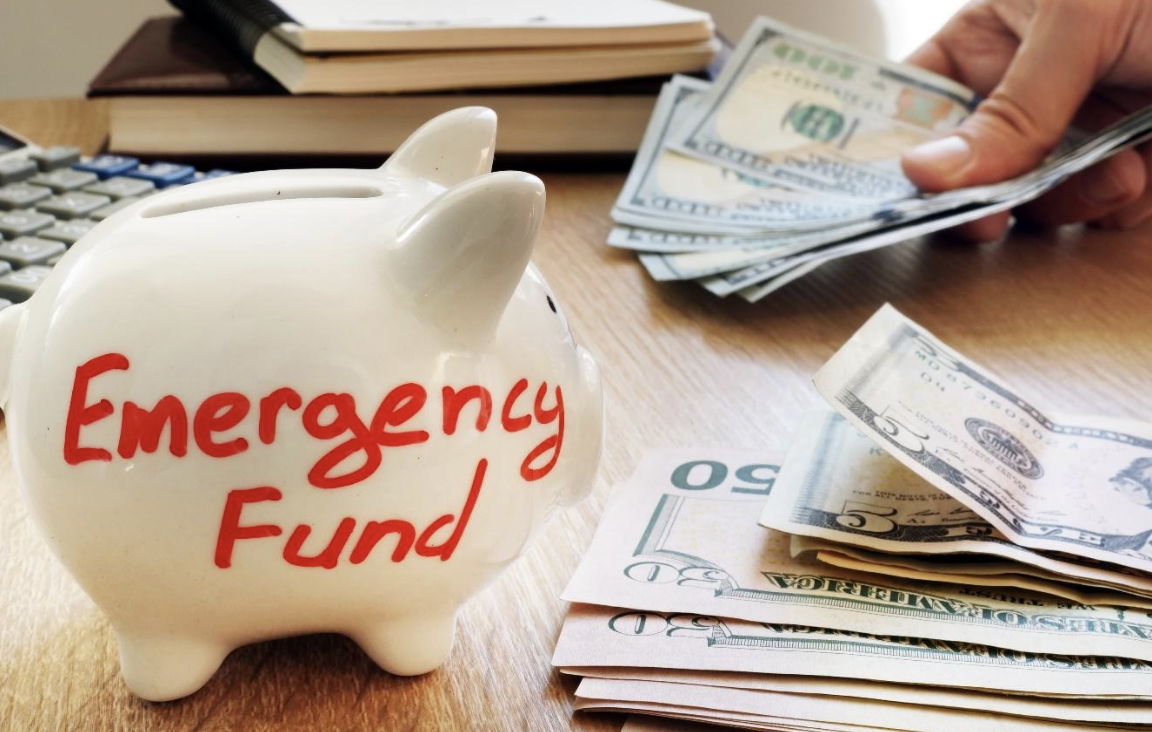
Life is full of unexpected twists and turns, and financial emergencies can strike when you least expect them. Whether it is a medical expense, car repair, sudden job loss, or a home-related crisis, having an emergency fund can provide you with much-needed financial security and peace of mind. In this article, we will explore why having an emergency fund is crucial and how you can build one to protect your financial well-being.
Why Do You Need an Emergency Fund?
1. Unforeseen Expenses: Life is unpredictable, and unexpected expenses can arise at any time. Without an emergency fund, you may be forced to rely on credit cards, loans, or liquidating investments, which can lead to debt and financial stress. If you get lucky in an https://betfirstcasino.be/en/, you can send the winnings to your emergency funds savings account.
2. Job Loss: In today's dynamic job market, no one is entirely immune to the possibility of job loss. An emergency fund can help cover your living expenses while you search for a new job, reducing financial strain during this challenging period.
3. Medical Emergencies: Health-related crises can be financially draining, even with insurance. Having an emergency fund ensures you can afford medical bills, prescriptions, or treatments without depleting your savings.
4. Home or Car Repairs: Major repairs to your home or vehicle can be costly but necessary. An emergency fund provides the funds needed to address these issues promptly, maintaining your quality of life.
5. Opportunity Fund: Sometimes, life presents unexpected opportunities that require immediate financial action, such as an investment opportunity or a chance to further your education. An emergency fund can help you seize these moments.
How to Build an Emergency Fund
Building an emergency fund takes time and discipline, but the financial security it provides is invaluable. Here's a step-by-step guide to help you get started:
1. Set a Realistic Goal:
- Determine how much you want to save in your emergency fund. A common recommendation is to aim for three to six months' worth of living expenses. Adjust this based on your individual circumstances and comfort level.
2. Create a Budget:
- Review your monthly income and expenses to identify areas where you can cut back and allocate more money toward your emergency fund.
3. Open a Separate Savings Account:
- Consider opening a dedicated savings account for your emergency fund. This separation can help prevent you from using the funds for non-emergencies.
4. Automate Your Savings:
- Set up automatic transfers from your primary checking account to your emergency fund. Treating it like a monthly bill ensures consistent contributions.
5. Start Small:
- If you cannot save a substantial amount right away, don't be discouraged. Begin with a small, manageable contribution and gradually increase it as your financial situation improves.
Where to Keep Your Emergency Fund
An emergency fund should be easily accessible when needed, but it should also be separate from your everyday spending accounts. Here are some options for where to keep your emergency fund:
1. High-Yield Savings Account: These accounts offer competitive interest rates while providing easy access to your funds.
2. Money Market Account: Similar to savings accounts, money market accounts often offer higher interest rates and check-writing capabilities.
3. Certificates of Deposit (CDs): CDs offer higher interest rates than regular savings accounts but require you to lock in your money for a set period. Choose a CD with a term that aligns with your emergency fund needs.
4. Online Banks: Many online banks offer competitive rates and low fees, making them a convenient option for your emergency fund.
5. Credit Union: Credit unions often offer higher interest rates on savings accounts and a more personalized approach to banking.