


 US-Backed Pediatric HIV Treatment Drops After Foreign Aid Changes, Study Finds
  Trump Signs Order to Cut Routine Childhood Vaccines
  Former OpenAI Data Center Chief Chris Malone Joins Nvidia
  New Mexico Measles Outbreak Cost Reached $5.4 Million, Study Finds
  Solidigm Eyes $150 Billion IPO as SK Hynix Expands AI Storage Push
  Microsoft Stock Upgraded as Stifel Sees Stronger Azure Growth
  SoftBank Shares Fall as Oracle Flags Stargate Data Center Delay Risk
  Eli Lilly Eyes AtaiBeckley Acquisition to Expand Psychedelic Mental Health Pipeline
  Oracle Shares Fall as New Mexico AI Data Center Faces Power Delays
  US Backs Musk in Fight Against EU’s €120 Million X Fine
  Meta Partners With Shopify to Bring Shop Pay Checkout to Muse AI
  Anthropic’s Claude Discovers CRISPR-Like Enzyme System
  Novartis Shares Plunge After Muscle Drug Fails Phase III Trial
  OpenAI Urges US-Led Global Standards for Frontier AI
  Moderna Wins FDA Approval for mFLUSIVA mRNA Flu Vaccine for Adults 50+
  Apple Extends Qualcomm Patent Licensing Deal
  US Appeals Court Upholds Anthropic AI Supply Chain Ban


 Add as a preferred source on Google
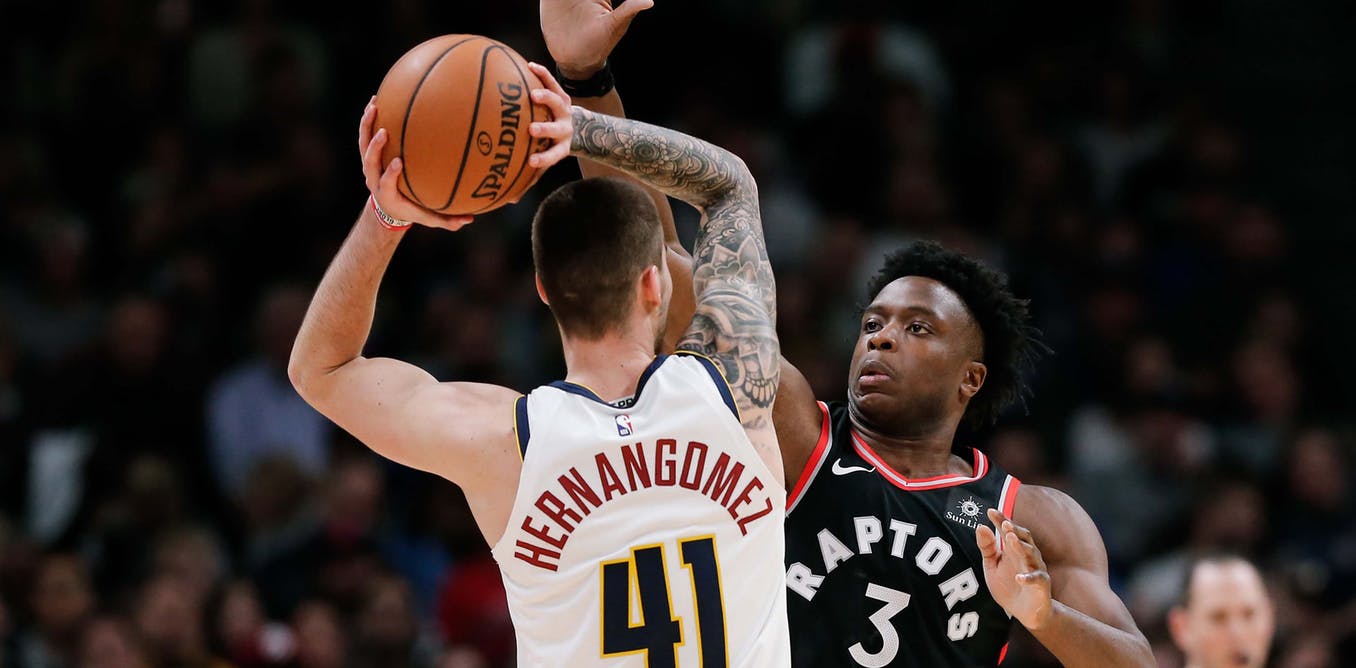

Facial recognition technology has progressed to point where it now interprets emotions in facial expressions. This type of analysis is increasingly used in daily life. For example, companies can use facial recognition software to help with hiring decisions. Other programs scan the faces in crowds to identify threats to public safety.
Unfortunately, this technology struggles to interpret the emotions of black faces. My new study, published last month, shows that emotional analysis technology assigns more negative emotions to black men’s faces than white men’s faces.
This isn’t the first time that facial recognition programs have been shown to be biased. Google labeled black faces as gorillas. Cameras identified Asian faces as blinking. Facial recognition programs struggled to correctly identify gender for people with darker skin.
My work contributes to a growing call to better understand the hidden bias in artificial intelligence software.
Measuring bias
To examine the bias in the facial recognition systems that analyze people’s emotions, I used a data set of 400 NBA player photos from the 2016 to 2017 season, because players are similar in their clothing, athleticism, age and gender. Also, since these are professional portraits, the players look at the camera in the picture.
I ran the images through two well-known types of emotional recognition software. Both assigned black players more negative emotional scores on average, no matter how much they smiled.
For example, consider the official NBA pictures of Darren Collison and Gordon Hayward. Both players are smiling, and, according to the facial recognition and analysis program Face++, Darren Collison and Gordon Hayward have similar smile scores – 48.7 and 48.1 out of 100, respectively.
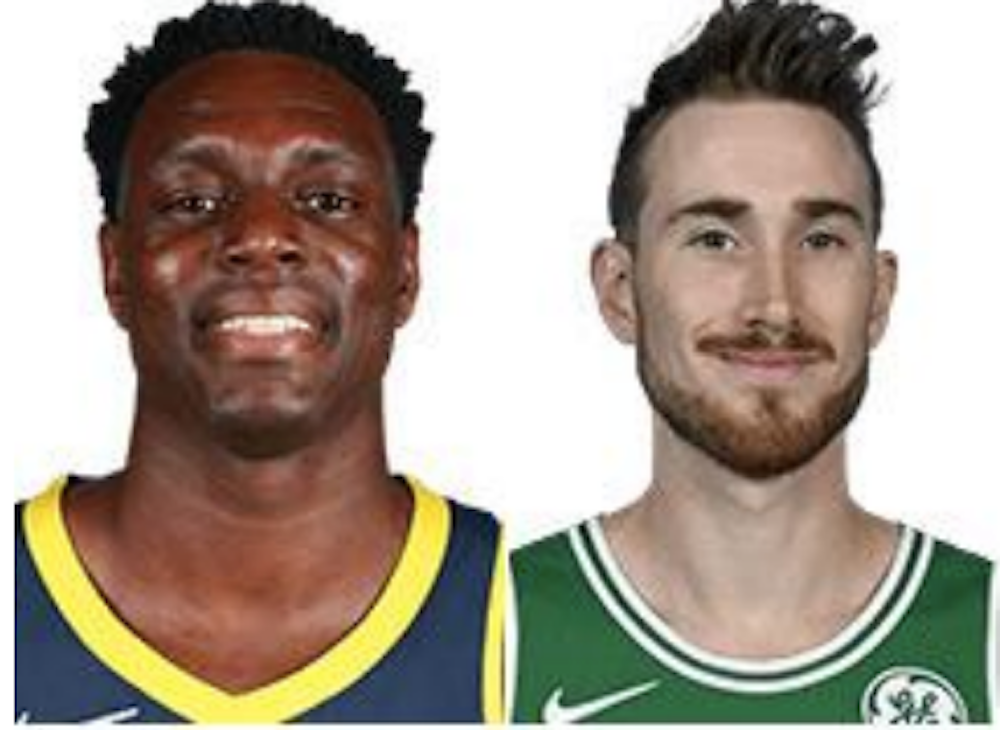
Basketball players Darren Collision (left) and Gordon Hayward (right). basketball-reference.com
However, Face++ rates Hayward’s expression as 59.7 percent happy and 0.13 percent angry and Collison’s expression as 39.2 percent happy and 27 percent angry. Collison is viewed as nearly as angry as he is happy and far angrier than Hayward – despite the facial recognition program itself recognizing that both players are smiling.
In contrast, Microsoft’s Face API viewed both men as happy. Still, Collison is viewed as less happy than Hayward, with 98 and 93 percent happiness scores, respectively. Despite his smile, Collison is even scored with a small amount of contempt, whereas Hayward has none.
Across all the NBA pictures, the same pattern emerges. On average, Face++ rates black faces as twice as angry as white faces. Face API scores black faces as three times more contemptuous than white faces. After matching players based on their smiles, both facial analysis programs are still more likely to assign the negative emotions of anger or contempt to black faces.
Stereotyped by AI
My study shows that facial recognition programs exhibit two distinct types of bias.
First, black faces were consistently scored as angrier than white faces for every smile. Face++ showed this type of bias. Second, black faces were always scored as angrier if there was any ambiguity about their facial expression. Face API displayed this type of disparity. Even if black faces are partially smiling, my analysis showed that the systems assumed more negative emotions as compared to their white counterparts with similar expressions. The average emotional scores were much closer across races, but there were still noticeable differences for black and white faces.
This observation aligns with other research, which suggests that black professionals must amplify positive emotions to receive parity in their workplace performance evaluations. Studies show that people perceive black men as more physically threatening than white men, even when they are the same size.
Some researchers argue that facial recognition technology is more objective than humans. But my study suggests that facial recognition reflects the same biases that people have. Black men’s facial expressions are scored with emotions associated with threatening behaviors more often than white men, even when they are smiling. There is good reason to believe that the use of facial recognition could formalize preexisting stereotypes into algorithms, automatically embedding them into everyday life.
Until facial recognition assesses black and white faces similarly, black people may need to exaggerate their positive facial expressions – essentially smile more – to reduce ambiguity and potentially negative interpretations by the technology.
Although innovative, artificial intelligence can perpetrate and exacerbate existing power dynamics, leading to disparate impact across racial/ethnic groups. Some societal accountability is necessary to ensure fairness to all groups because facial recognition, like most artificial intelligence, is often invisible to the people most affected by its decisions.







