


 Stellar Hits Record 217 TPS as Institutional RWA Activity Surges
  FDA Investigates New Cyclospora Outbreak as U.S. Cases Continue to Rise
  Strategy Buys 1,665 Bitcoin as BTC Holdings Reach 847,666
  Morgan Stanley Raises TD Synnex Price Target to $359 on Strong AI Demand
  France Keeps Top Health Alert as Officials Brace for Another Heatwave
  Nidec Shares Plunge on Report of $6.3 Billion Impairment Charge
  RedotPay Completes Audits as Stablecoin Firm Advances U.S. IPO Plans
  Moderna Short Sellers Hit With $4.8 Billion Loss as Stock Soars
  Robinhood Chain Token Ring Allegedly Extracts $18.4 Million Across 53 Launches
  Eli Lilly Eyes AtaiBeckley Acquisition to Expand Psychedelic Mental Health Pipeline
  AstraZeneca Shares Sink After Wainua Trial Misses Key Heart Disease Goal
  Pi Network Price Holds $0.087 as Protocol 28 Mainnet Upgrade Nears
  Chainlink Launches CCIP 2.0 With Enhanced Cross-Chain Security
  Erste Group Plans Tender Offer to Boost Poland Bank Stake
  OpenAI, Anthropic CEOs Summoned to Australia AI Inquiry
  Moderna Wins FDA Approval for mFLUSIVA mRNA Flu Vaccine for Adults 50+
  Venezuela Earthquake Health Risks Rise as Disease Monitoring Intensifies


 Add as a preferred source on Google
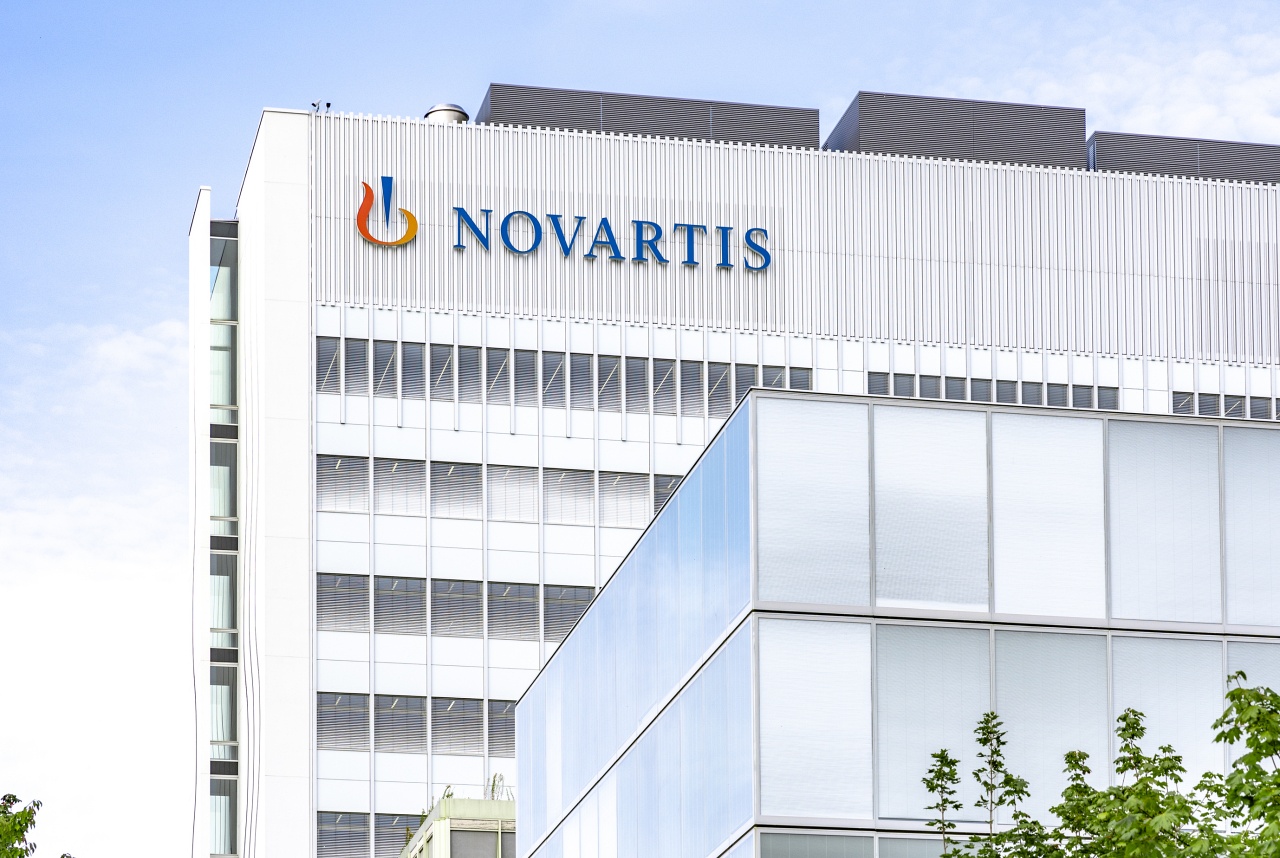
Novartis shares plunged more than 10% on Tuesday after the Swiss pharmaceutical giant said its experimental muscle disease drug delpacibart etedesiran, or del-desiran, failed to meet the primary endpoint in a late-stage clinical trial.
The setback came from the Phase III HARBOR study evaluating del-desiran in patients with myotonic dystrophy type 1 (DM1), a progressive neuromuscular disorder with no currently approved treatments. The 54-week randomized study included 150 patients and measured video hand opening time, an indicator of muscle stiffness.
Del-desiran did not demonstrate a statistically significant improvement compared with placebo on the primary measure. Novartis said the treatment showed clinical activity across several secondary and exploratory endpoints and plans to consult regulators about potential next steps.
The disappointing results also raised concerns about Novartis' $12 billion acquisition of Avidity Biosciences. Jefferies analyst Michael Leuchten said del-desiran represented roughly one-third of the projected peak sales associated with the acquired pipeline.
Leuchten maintained a "hold" rating and CHF110 price target but warned the trial failure could make Novartis' longer-term growth ambitions harder to achieve without additional acquisitions. He also questioned the company's valuation premium, with Novartis trading above 16 times estimated 2027 earnings compared with a pharmaceutical sector average below 13 times.
The setback could also affect investor confidence in delpacibart braxlosiran, or del-brax, another Avidity therapy targeting facioscapulohumeral muscular dystrophy. Phase III results for that program are not expected until 2028.
However, other assets from the Avidity acquisition continue to progress. Delpacibart zotadirsen, or del-zota, has received FDA Priority Review for Duchenne muscular dystrophy, while Novartis plans discussions with the FDA regarding del-brax following encouraging Phase I/II biomarker results.
Despite the del-desiran trial failure, Novartis maintained its 2025-2030 sales outlook, targeting compound annual growth of 5% to 6%.
Chief Medical Officer Shreeram Aradhye described DM1 as a "complex disease" and said setbacks are part of scientific progress.







