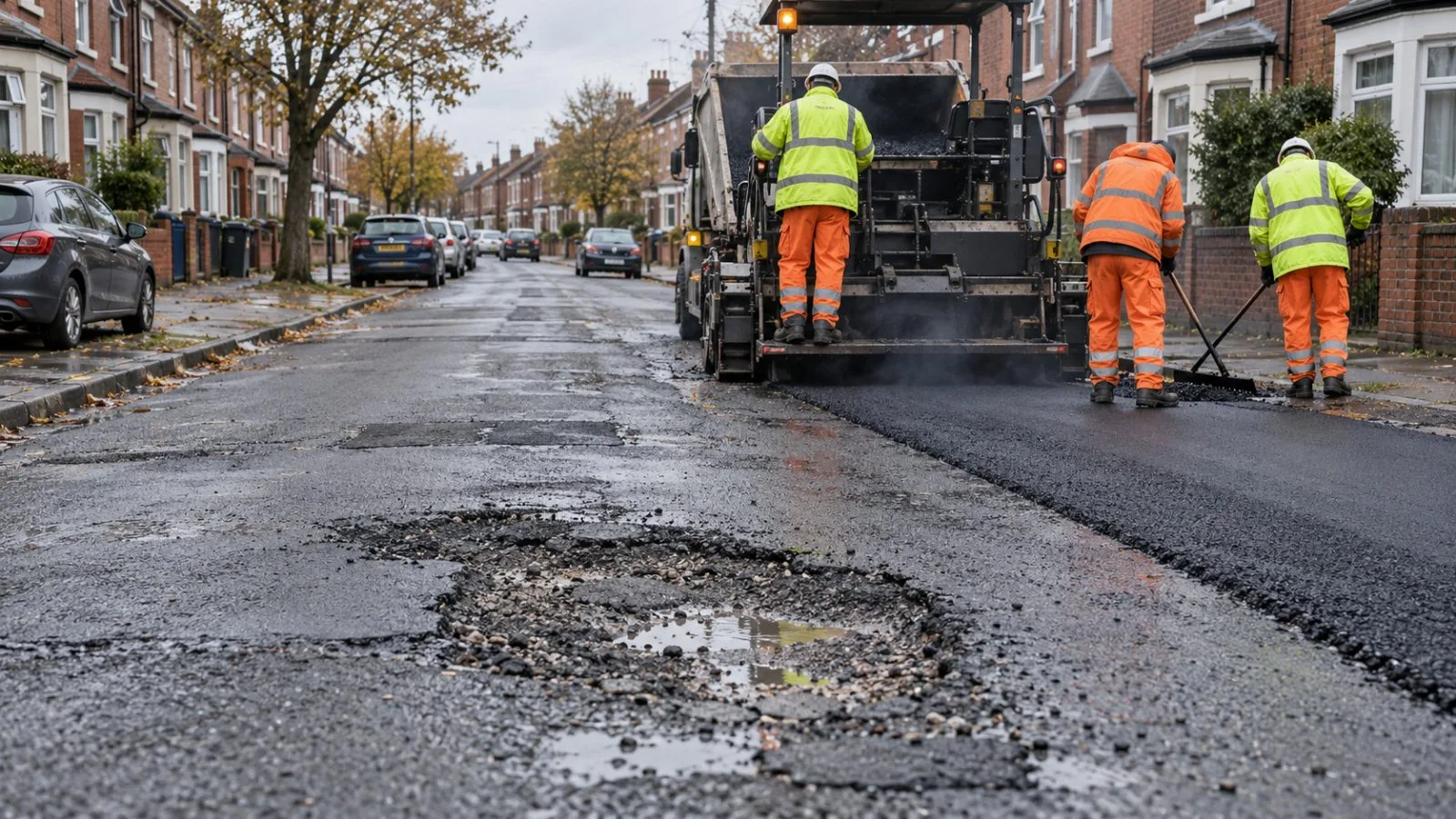
The English Devolution and Community Empowerment Act 2026 makes running a shared-cycle scheme without a license or valid exemption a criminal offense once licensing starts, while a consultation outlines how authorities could control schemes.
The Department for Transport (DfT) opened the consultation Nov. 5. Strategic authorities would issue licenses under the proposed framework; where none exists, the relevant local transport authority would take responsibility. Regulations and statutory guidance must come before implementation, and the government has not announced a start date.
The offense is set out in the Act; the consultation discusses how licensing and enforcement would work. It says the offense could carry a potentially unlimited fine. The rules would cover shared cycles and e-cycles in England, while e-scooters remain outside the consultation under a separate regime.
Proposed minimum license conditions include parking plans, measures to address antisocial behavior and illegal use, and plans for fleet management and maintenance. Authorities could set fleet limits and operating areas. Some data sharing is proposed, while the consultation seeks views on additional local data requirements, fees and whether insurance should be required.
The DfT says the framework aims to reduce pavement obstructions and unsafe or illegal use. It also says operators have asked for more predictable requirements across areas with differing local arrangements. Operators would have to meet the conditions set for their licenses; fees and insurance requirements are still under consideration.
CoMoUK, a shared-transport industry body, counted 67,323 shared bikes across the United Kingdom in March 2026, compared with 50,202 in March 2024. The figures cover the UK, while the proposed licensing framework applies to England.
The consultation closes Dec. 31, 2026. The government says it will publish a summary of responses and its reply, but has not set a publication date.