


 Epic Games Delays Disney Shooter, Shifts to AI-First Development
  Samsung, SK Hynix Shares Fall as China's CXMT Advances DRAM Technology
  Russia Approves Sberbank for Crypto Exchange Services
  Samsung, SK Hynix Shares Plunge as China Chip Competition Grows
  PepsiCo Slashes Poppi Earnout Valuation as Growth Slows
  TSMC Q3 Revenue Beats Estimates as AI Chip Demand Surges
  Orsted to Take Full Ownership of UK Offshore Wind Farm for £15 Million
  Morgan Stanley Predicts $10 Trillion RWA Market by 2030
  Anthropic Launches Claude Dashboards and Motion AI Tools
  Coinbase CEO Backs SEC Accredited Investor Reform
  Elon Musk Donates $366 Million to 2026 US Midterms
  OpenAI Annualized Revenue Hits $50 Billion, Below Earlier Estimates
  TSMC Profit Set to Surge 65% as AI Chip Demand Drives Record Earnings
  Arthur Hayes Announces FLOP Testnet Launch Within Weeks
  Amazon Cuts More Jobs as AI Investment Expands


 Add as a preferred source on Google
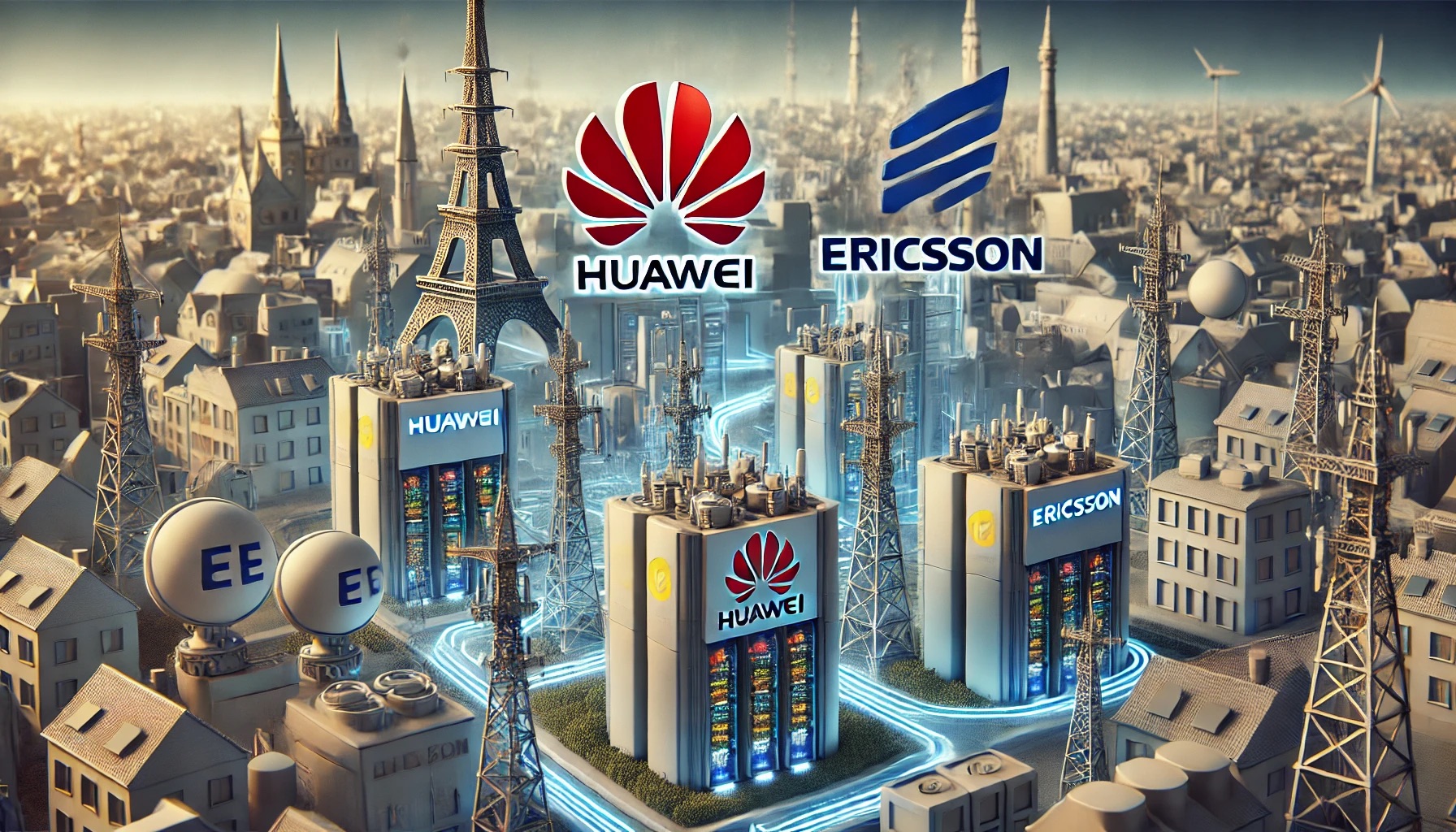
Despite US and EU bans, Huawei remains a formidable competitor for Ericsson in Europe, impacting market shares and revenue.
Bans Fail to Stifle Huawei's Growth
Huawei is a significant competitor in Europe for Ericsson, even though the company's network equipment is banned in the US and EU. The impact of Huawei's withdrawal from the overseas network core on its competitors is outlined in a new report.
There are still countries who are considering banning Huawei network equipment. This line-up includes Germany in the most current one, LightReading shares. No matter what, Ericsson and other companies in Europe still see Huawei as a competitor.
Ericsson CEO Highlights Market Challenges
According to Ericsson CEO Börje Ekholm, Chinese IT giants like ZTE and Huawei continue to pose a threat in the region. During a conference with analysts, the executive shares these and other details about his quarterly sales revenue.
In Latin America and Europe, we are witnessing a dramatic uptick in competition from Chinese suppliers. "It is not true that Chinese vendors have disappeared," Börje Ekholm stated, adding that he had the feeling that everyone else shared this view in recent months.
Ericsson's Declining Market Share
With $5.7 billion in revenues, Ericsson saw a decline of 7% for the year. Compared to previous year's net loss of $56.8 million, this ultimately led to a loss of $1.1 billion.
Ekholm attributes Ericsson's significant network market downturn on Chinese businesses. Global telecom companies were hesitant to invest much in 5G.
So long as Chinese rivals keep selling low-priced goods, telecoms won't be able to put much pressure on them. Operators are moving to providers with more affordable solutions as the network sector experiences a price war.
Huawei's Market Gains
Per Huawei Central, among the worldwide RAN markets, Omdia reports that Huawei is continually gaining ground on Ericsson and others. In 2023, the Chinese IT firm maintained its 31.3% stake while Ericsson's share price dropped to 24.3%, giving the Chinese company the lead.
Ericsson needs greater self-control to increase its gross margin, according to Ekhlom's response to this ranking. The expansion of Huawei, he says, proves that American sanctions were fruitless. The telecommunications companies and their clients must now decide.
Future of Huawei in Germany
According to an earlier estimate, Germany's network core will remain Huawei-enabled for at least five more years. Up until 2030, Chinese companies may still own the majority of network antennas. As for the German prohibition, Ekhlom stated:
“I think it’s still a bit too early to have a view on what will happen in Europe. I saw the legislation announced and I think we’ll have to see how that impacts the market.”







