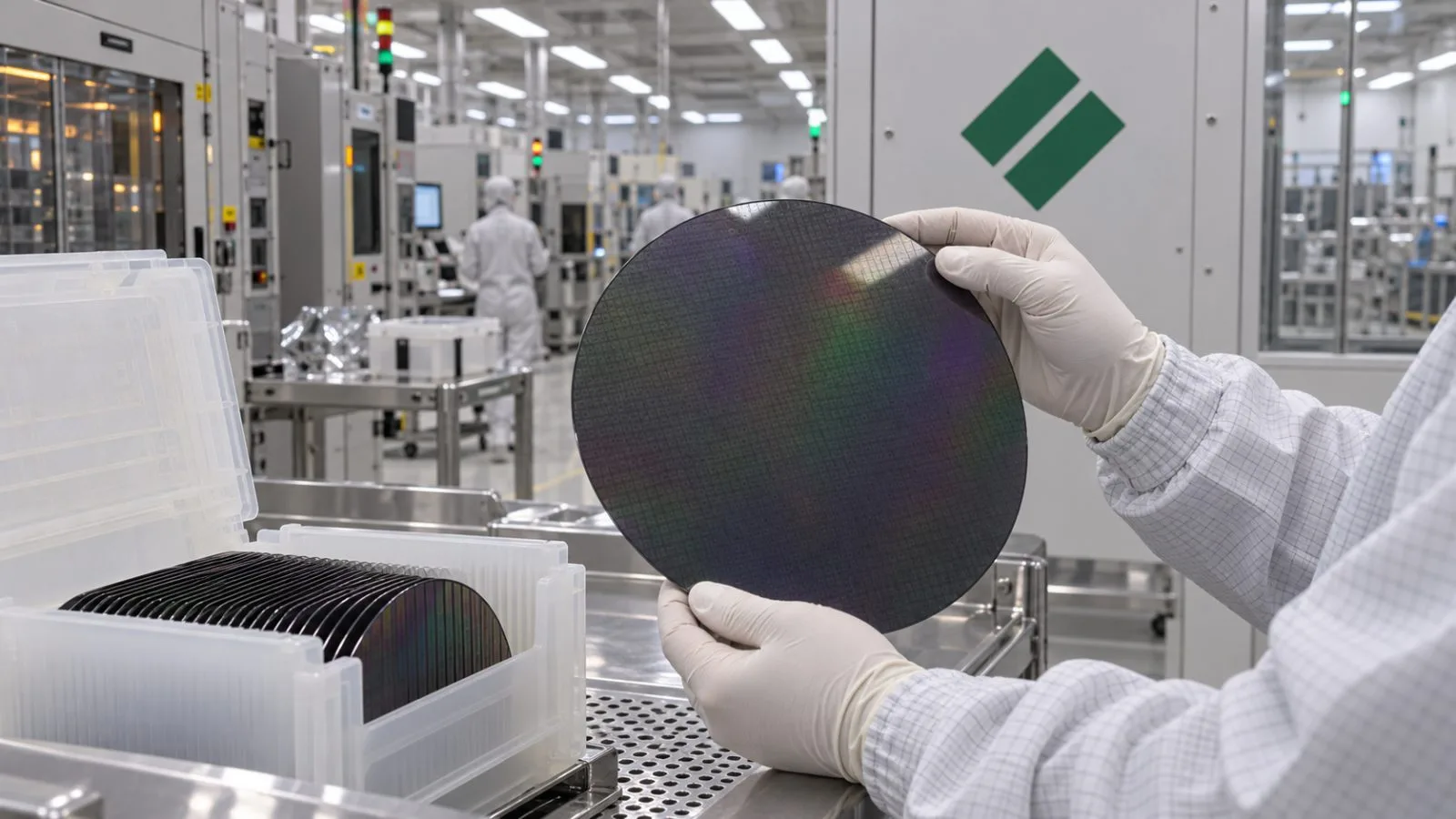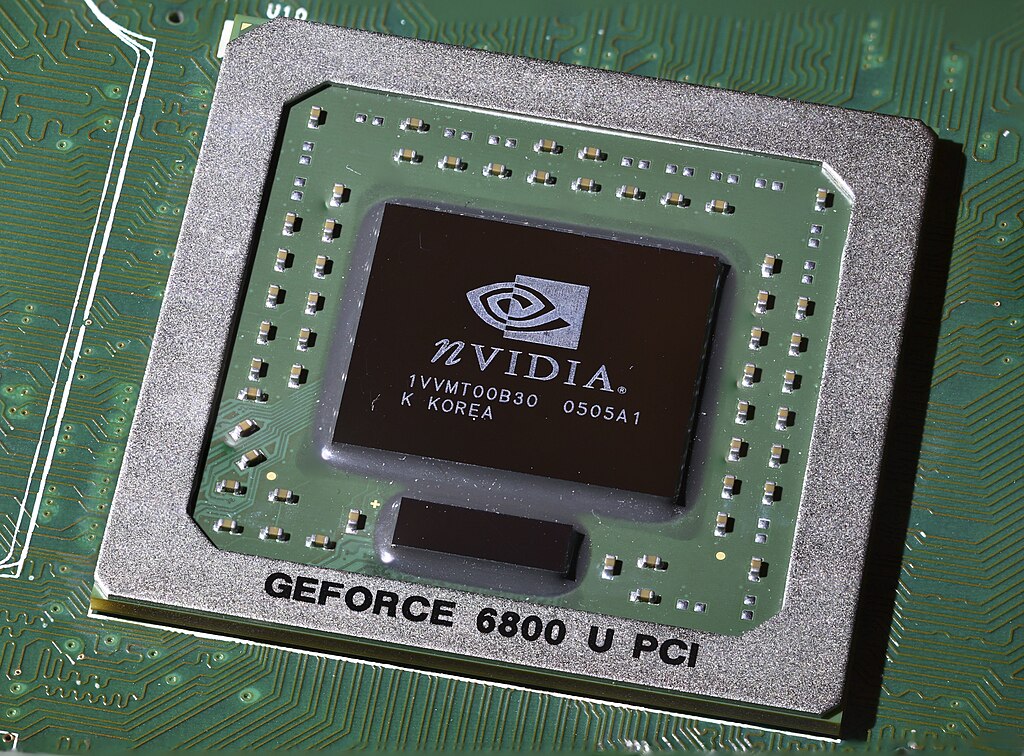
Nvidia (NASDAQ: NVDA) announced plans to manufacture AI supercomputers entirely in the U.S. for the first time, marking a major shift in its production strategy. The company has secured over one million square feet of space for chip manufacturing and supercomputer assembly in Arizona and Texas.
The production of Nvidia’s next-generation Blackwell AI chips has already started at TSMC’s Phoenix facility. In Texas, supercomputers will be built in Houston and Dallas through partnerships with Foxconn (SS: 601138) and Wistron, with mass production expected within 12 to 15 months. For packaging and testing, Nvidia is teaming up with Amkor (NASDAQ: AMKR) and SPIL in Arizona, reinforcing a fully domestic AI chip supply chain.
Nvidia emphasized that manufacturing these systems requires cutting-edge technologies across production, packaging, and testing. The initiative is expected to generate hundreds of thousands of U.S. jobs and support the growth of AI factories—large-scale data centers powering artificial intelligence advancements.
Founder and CEO Jensen Huang stated, “The engines of the world’s AI infrastructure are being built in the United States for the first time. Adding American manufacturing helps us meet growing demand, strengthen our supply chain, and boost resiliency.”
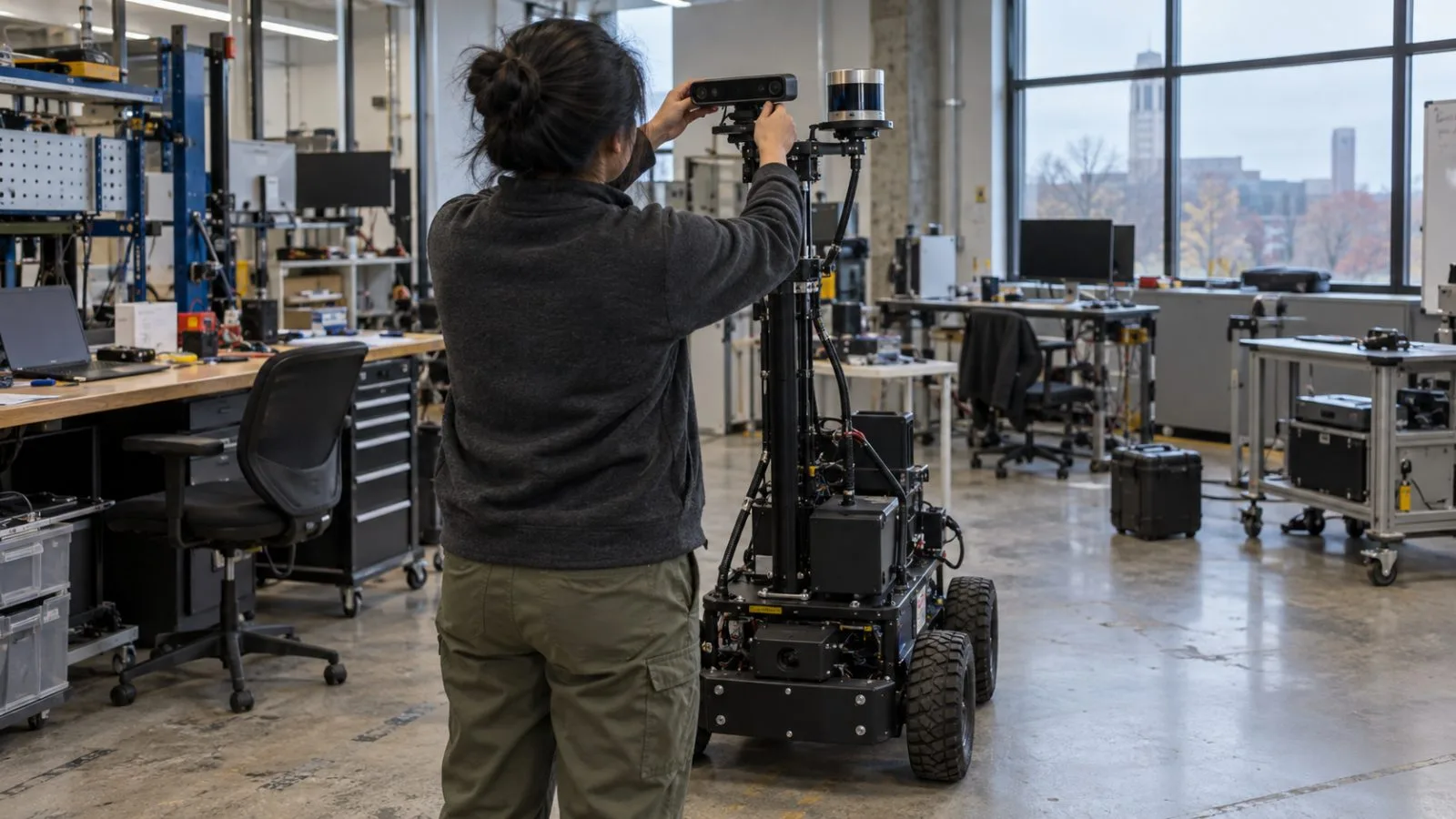
Over the next four years, Nvidia aims to produce up to $500 billion worth of AI infrastructure domestically in collaboration with global leaders like TSMC, Foxconn, Wistron, Amkor, and SPIL. The company will also integrate its own AI technologies into facility design and operations using NVIDIA Omniverse for digital twins and NVIDIA Isaac for robotics automation.
This move signals a major investment in U.S. AI infrastructure and strengthens Nvidia’s role in building the future of artificial intelligence.