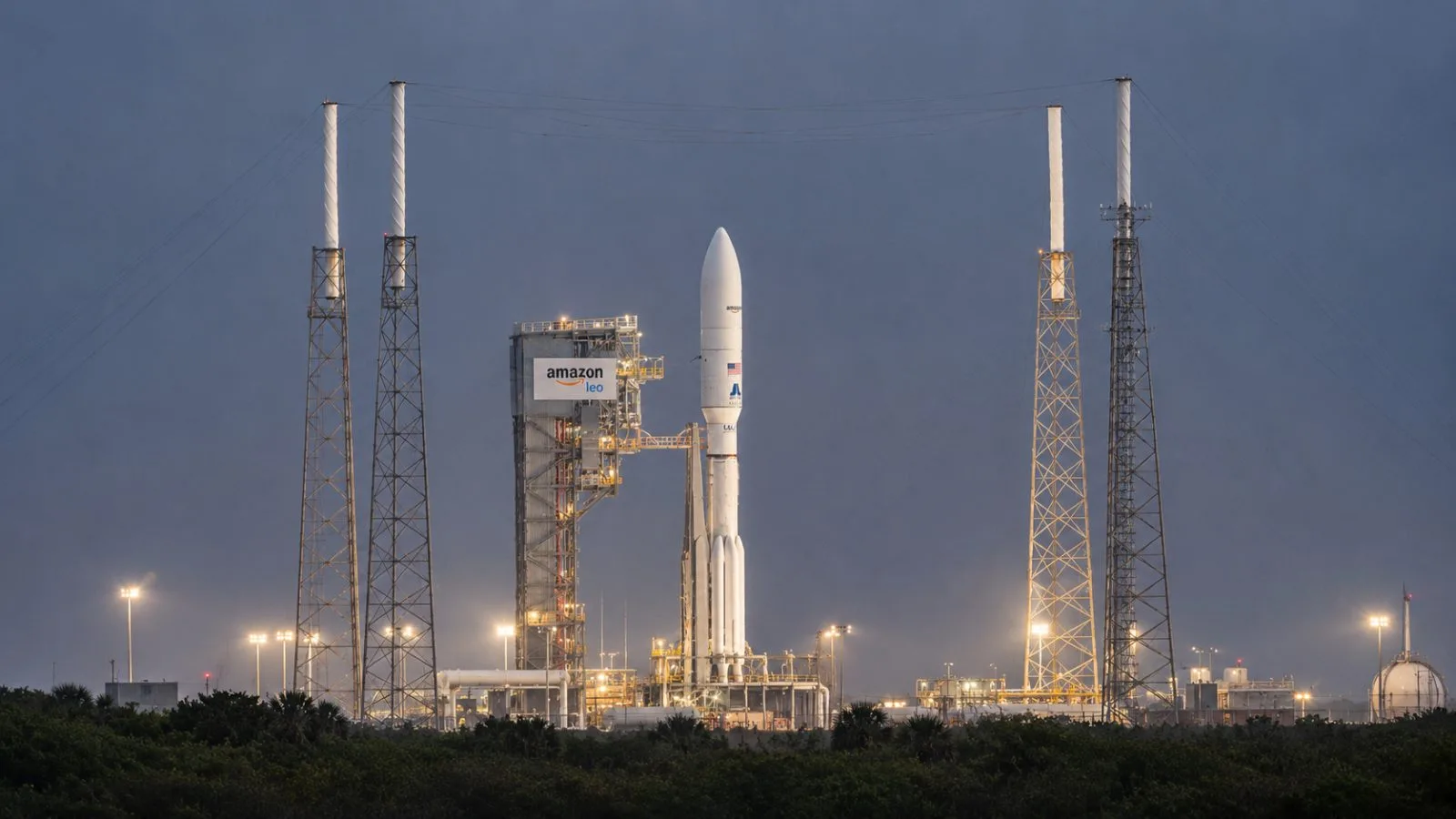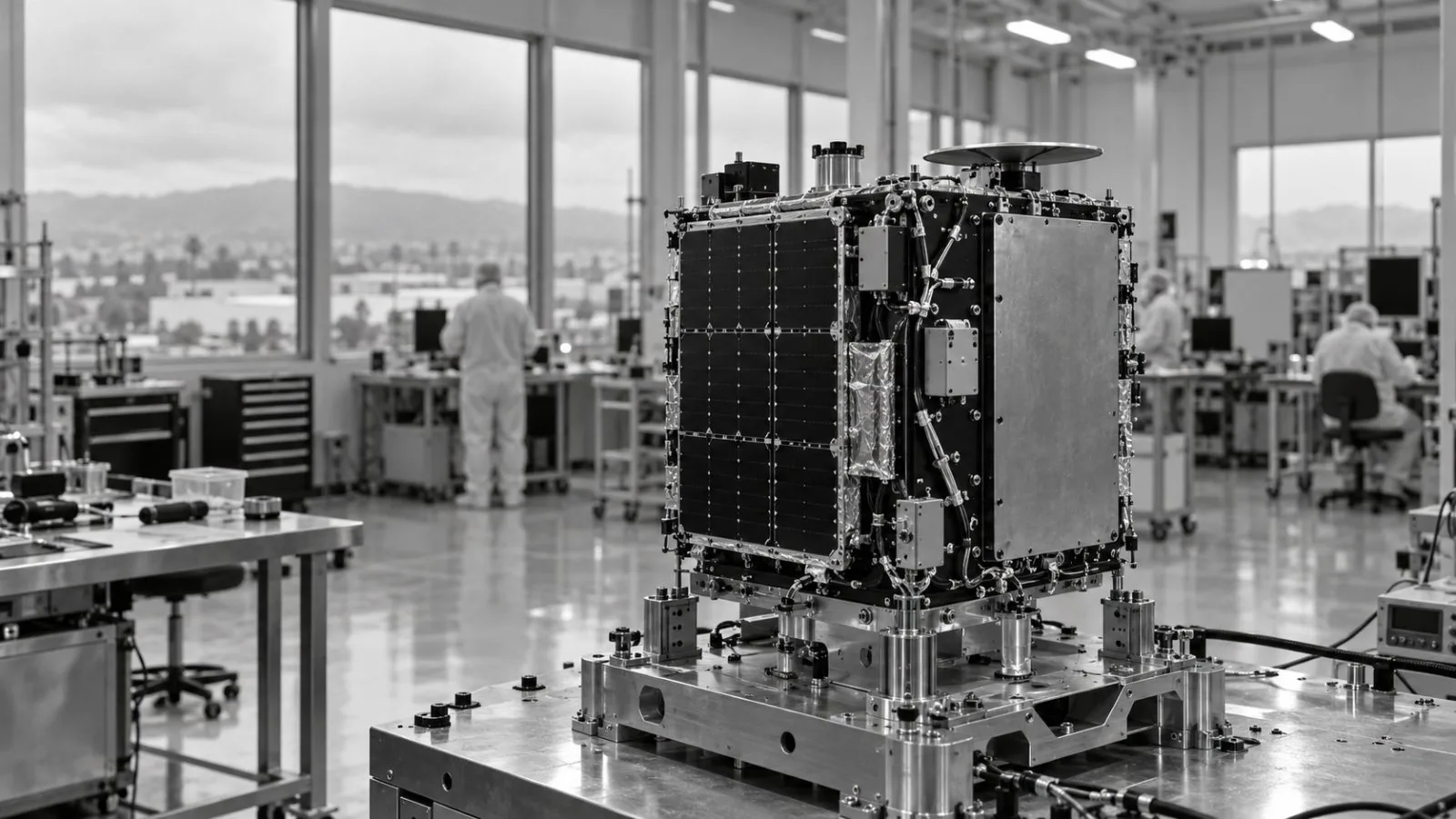
A Nov. 15 failure of United Launch Alliance’s (ULA) Vulcan rocket destroyed 40 satellites intended for Amazon Leo’s broadband network, disrupting the U.S. company’s deployment plans as the Federal Aviation Administration (FAA) oversees an inquiry.
ULA is assessing whether the rocket’s main booster underperformed. Vulcan remains grounded during the FAA-supervised investigation, and no cause has been established.
The failed LV-01 mission was the first flight in a 38-launch agreement between Amazon and ULA. More than 1,500 first-generation Leo satellites are expected to fly on ULA rockets under the deal, close to half of Amazon’s planned 3,232-satellite constellation.
Amazon plans to start serving customers in 2026. Its other launch providers include Arianespace, SpaceX and Blue Origin, with Ariane 6 flights among the company’s plans.
EconoTimes previously covered the LV-01 failure to reach orbit after an in-flight anomaly.
The Feb. 12 Vulcan mission also had a separate solid-motor anomaly. ULA reported a significant performance problem in one of the rocket’s four solid rocket motors, although the spacecraft reached geosynchronous orbit.