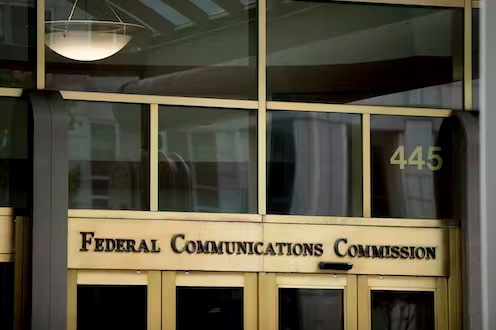
The Federal Communications Commission has greenlit the $3.54 billion acquisition of local TV station owner Tegna by Nexstar Media Group, brushing aside opposition from Democratic-led states and setting the stage for the largest broadcast station group in U.S. history. The deal, which includes debt, carries a total value of $6.2 billion.
The merger would extend Nexstar's reach to approximately 80% of U.S. television households — a figure that required the FCC to waive its longstanding 39% audience reach cap. FCC Chair Brendan Carr defended the decision, noting the approval reflects today's evolving media landscape rather than outdated regulatory frameworks. Nexstar has committed to divesting six stations within two years as a condition of the deal.
The approval drew immediate legal challenges. A coalition of eight Democratic-led states filed suit in a California federal court just one day prior, seeking to block the merger on antitrust grounds. Streaming and satellite provider DirecTV also filed a separate lawsuit Wednesday, raising concerns about the combined company's market dominance.
President Donald Trump publicly backed the deal in February, consistent with his broader support for empowering local broadcast affiliates over major national networks. Carr has previously pressured NBC and ABC over their programming, arguing that networks owned by corporate giants like Comcast and Walt Disney have accumulated disproportionate influence over local TV content.
Democratic FCC Commissioner Anna Gomez opposed the merger, warning it consolidates broadcast power in fewer corporate hands and weakens independent local journalism. Nexstar CEO Perry Sook countered that the acquisition is vital to sustaining community-focused reporting across the country.
Nexstar currently owns over 200 stations across 116 U.S. markets, while Tegna holds 64 stations in 51 markets. Together, they would reach an audience of roughly 220 million people nationwide.