


 Ukraine Races to Counter Russia’s Faster Jet-Powered Drones
  Trump Threatens EU Tariffs Over Canada Membership Proposal
  US Confirms Weapons in Orbit as Space Tensions Rise
  US-China Experts Push AI Nuclear Safeguards to Prevent Military Escalation
  Vietnam, U.S. Firms Plan 29 Deals Across Energy, Tech and Aviation
  Trump Administration Removes Confederate Memorial Criticism From Arlington Website
  Banking scandal rocks Brazil’s politics and the country’s presidential election in October
  UK PM Andy Burnham Set for First Trump Meeting in New York
  Texas Republicans Turn Against AI Data Centers as Election Backlash Grows
  New Zealand Labour Backs Social Media Ban for Under-16s
  US Judge Dismisses Imran Ahmed Deportation Lawsuit
  SEC Probes Banks Over Situational Awareness Hedge Fund Collapse
  Iran Economic Crisis Forces Afghan Families to Return Home
  Brazil Warns EU of Retaliation Over Animal Products Ban
  US Resumes Immigrant Visa Processing for Hungary, Poland
  Australia Plans New Rules Giving Users Control Over Social Media Feeds
  Ukraine Tests New Anti-Drone Weapon After Successful Shahed Intercept


 Add as a preferred source on Google
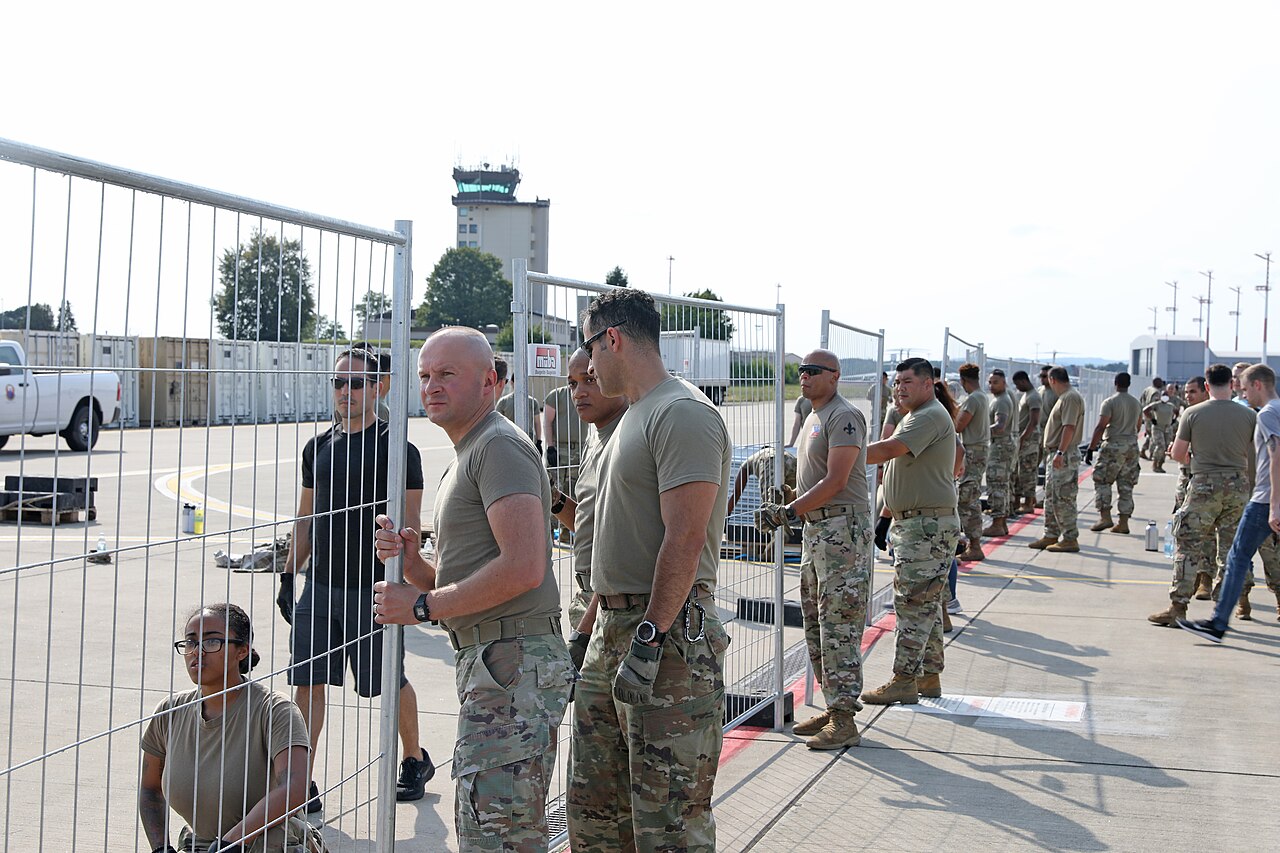
The United States is set to withdraw approximately 5,000 troops from Germany, signaling rising tensions between Washington and its European allies amid the ongoing Iran conflict. The Pentagon confirmed the move, which will be carried out over the next six to twelve months, reducing the current U.S. military presence in Germany, where about 35,000 personnel are stationed.
This decision follows a public disagreement between President Donald Trump and German Chancellor Friedrich Merz. Trump reportedly reacted strongly after Merz criticized U.S. strategy in the Iran war, describing Iran’s stance in negotiations as humiliating for Washington. A senior Pentagon official noted that Germany’s remarks were viewed as “unhelpful,” prompting the administration’s response.
The troop reduction will bring U.S. force levels in Europe closer to pre-2022 numbers, before the military buildup triggered by Russia’s invasion of Ukraine. The move also reflects the Trump administration’s broader push for European nations to take greater responsibility for regional security.
Tensions are not limited to Germany. Trump has also criticized other NATO allies, including Spain and Italy, for their lack of support in U.S. operations against Iran. Spain, for instance, refused to allow its bases and airspace to be used in military actions, leading Trump to threaten trade measures. He has also questioned whether to reduce troop deployments in countries like Italy and Spain.
Additionally, disputes have emerged over NATO allies’ reluctance to assist in securing the Strait of Hormuz, a critical oil shipping route disrupted by the Iran conflict. These disagreements have raised concerns about unity within NATO and the future of transatlantic relations.
Despite the withdrawal being smaller than earlier proposals, analysts warn it could deepen divisions between the United States and Europe. Experts suggest European nations may accelerate defense spending as trust in U.S. leadership declines. The withdrawal also includes canceling planned deployments, such as a long-range fires battalion intended for Germany.
As geopolitical tensions continue, the move underscores shifting dynamics in global security and the evolving role of NATO alliances.







