


 US-Backed Pediatric HIV Treatment Drops After Foreign Aid Changes, Study Finds
  Eli Lilly Eyes AtaiBeckley Acquisition to Expand Psychedelic Mental Health Pipeline
  FDA Investigates New Cyclospora Outbreak as U.S. Cases Continue to Rise
  California AG Subpoenas OpenAI Over AI Cybersecurity Incidents
  Hengrui Shares Rise on $2.6 Billion Novo Nordisk Obesity Drug Deal
  Trump Administration Bars U.S. Travelers From Congo Flights Amid Ebola Outbreak
  SK Biopharmaceuticals Secures Global Rights to Biohaven Epilepsy Drug Opakalim
  Firmus Grid IPO Draws Strong Demand, Nvidia and Blackstone Could Raise Stakes
  Intel Reaffirms Role in Elon Musk’s Terafab Chip Project
  Venezuela Earthquake Health Risks Rise as Disease Monitoring Intensifies
  Meta and Microsoft Cut Internal Claude AI Use
  Novo Nordisk Strikes €1.17 Billion Nanexa Drug Delivery Deal
  UK Warned Over Growing Reliance on US Cloud Providers
  Trump Signs Order to Cut Routine Childhood Vaccines
  Novartis M&A Strategy Faces Investor Scrutiny After Drug Setbacks
  Moderna Wins FDA Approval for mFLUSIVA mRNA Flu Vaccine for Adults 50+


 Add as a preferred source on Google
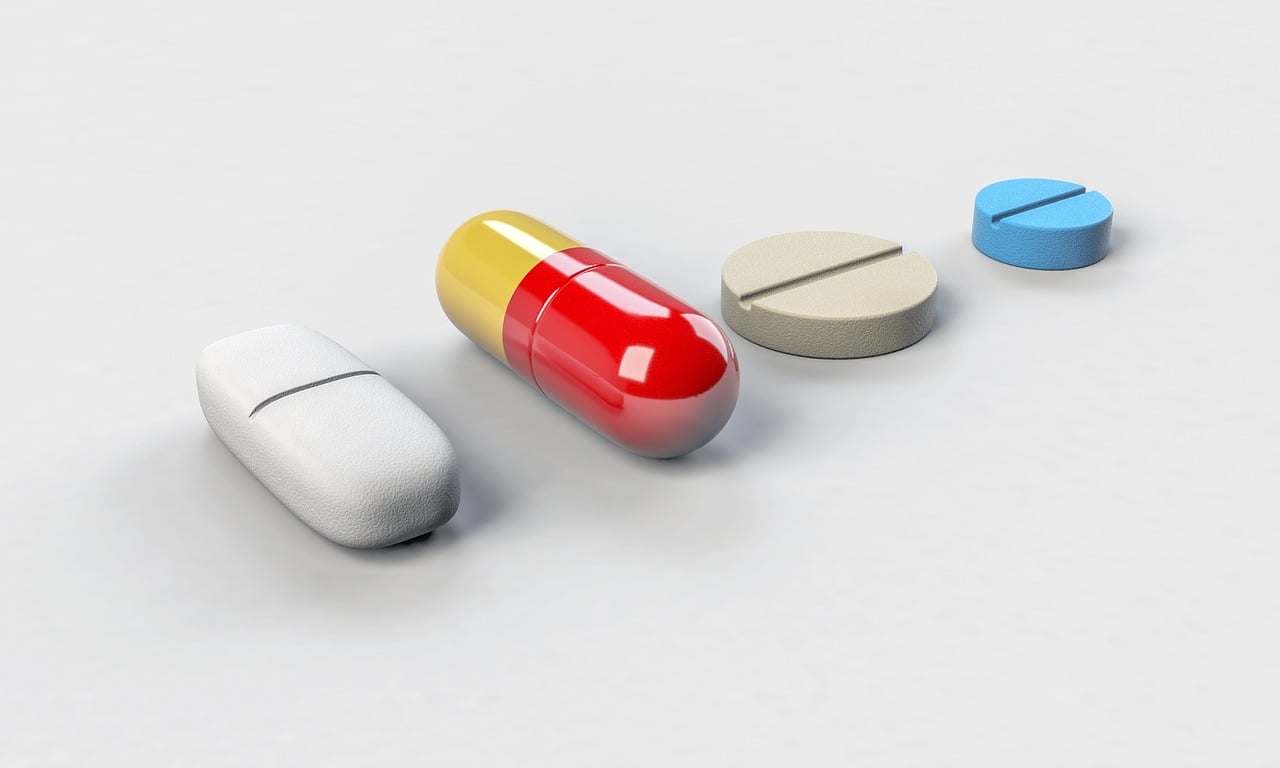
The landscape of weight management medication has expanded with the introduction of Zepbound by the American pharmaceutical company Eli Lilly. The U.S. Food and Drug Administration recently gave the green light to this new drug, offering hope for adults struggling with obesity or excess weight, especially those who also suffer from related health issues like high blood pressure, type 2 diabetes, or high cholesterol.
Zepbound enters the market as an injectable medication to be used once a week. Its key component, tirzepatide, is not new to the medical community, as it’s also the active ingredient in Eli Lilly's diabetes drug Mounjaro. Although Mounjaro was originally designed to help manage blood sugar levels, doctors have noticed its effectiveness in aiding weight loss and have been prescribing it for that purpose.
The mechanics behind Zepbound are akin to the action of drugs like Wegovy and Ozempic by Novo Nordisk. These medications all work by imitating a hormone called GLP-1 that naturally occurs in the human body, aiding in regulating blood sugar, digestion, and appetite. Furthermore, Zepbound operates on another hormone, GIP, to help curb hunger.
These GLP-1 mimicking drugs were first seen as treatments for type 2 diabetes but have since gained traction as powerful tools in the fight against obesity—a condition that plagues nearly 70 percent of American adults. The demand for such drugs has led to shortages, most notably for Wegovy, which has been in short supply since early 2022.
Carefully Tested Drugs for Obesity and Health Problems
Eli Lilly has backed Zepbound's effectiveness with clinical trials that spanned 72 weeks and involved over two thousand participants dealing with obesity and associated health issues.
The results were promising, with participants showing significant weight loss when combining the medication with lifestyle changes, such as improved diet and exercise. Those on the highest dosage saw remarkable results, with an average weight loss of 48 pounds, and some even lost upwards of 58 pounds.
Despite these significant achievements, some participants experienced side effects, mainly digestive discomforts like nausea and constipation. However, Eli Lilly is gearing up to make Zepbound available in the United States by the year's end, pricing it monthly at a substantial but competitive rate compared to Wegovy. The company is also creating a savings program to help individuals who could benefit from Zepbound afford it.
As the medical industry advances, oral versions of GLP-1 drugs are in development, potentially increasing their appeal. Upcoming research about the cardiovascular benefits of these medications, to be presented at the American Heart Association meeting, could further drive the interest and demand for weight management solutions like Zepbound.
Cover Image: Qimono







