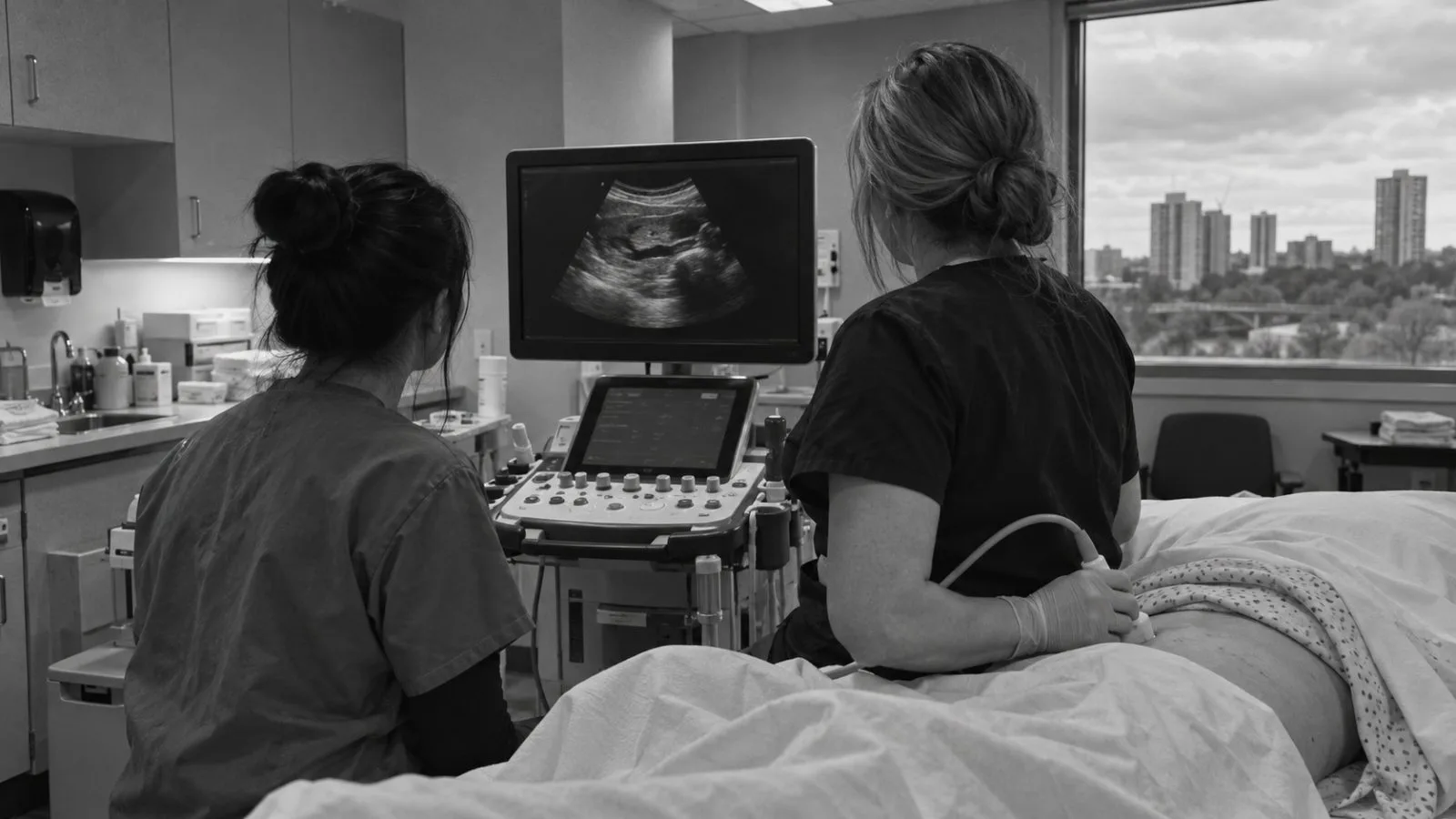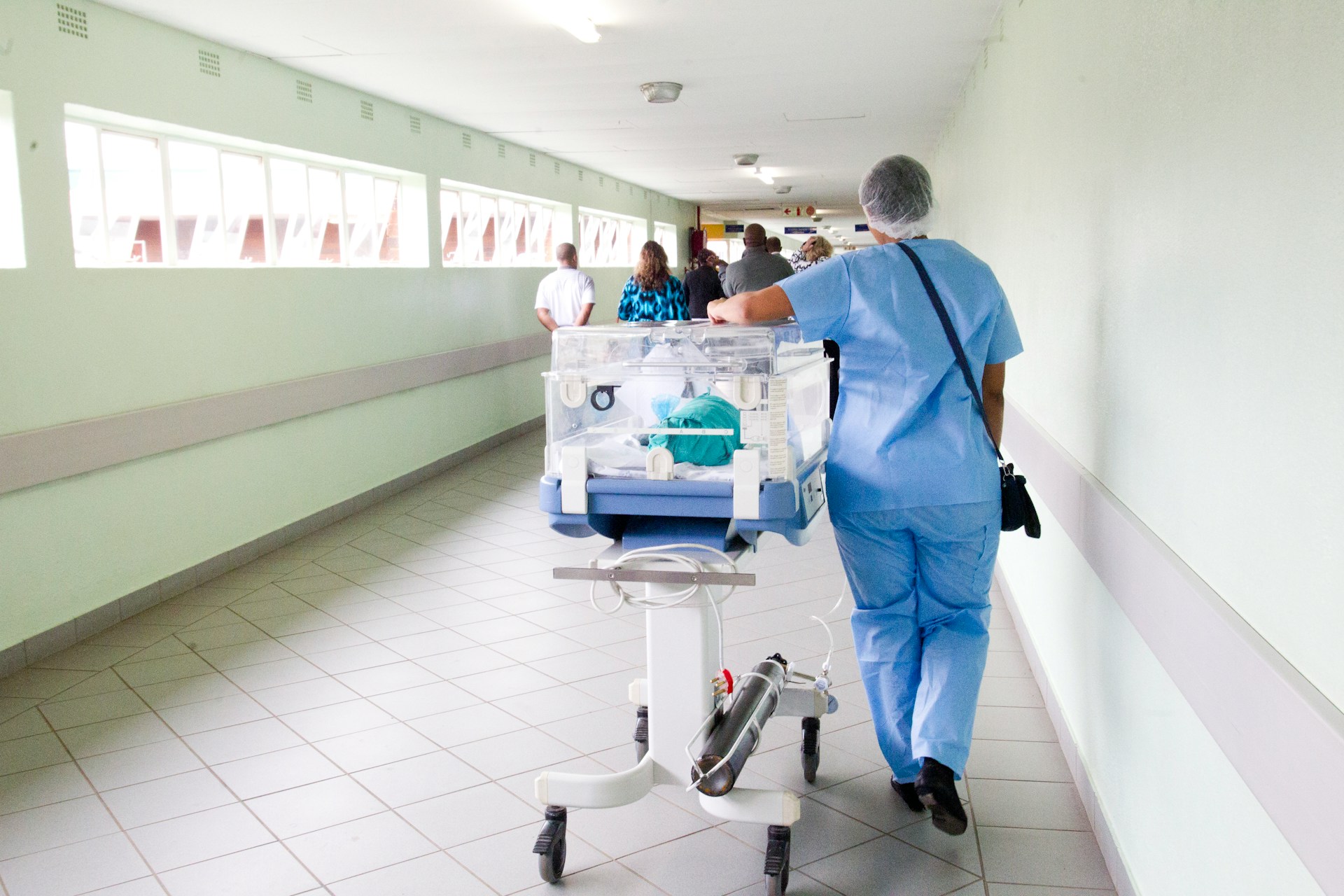
Hospitals and health care facilities in New York, New Jersey, and California will implement mandatory masking policies for staff in specific settings this winter. The decision comes as respiratory illnesses, including COVID-19, flu, and RSV, are expected to rise during the colder months. While some see the move as a necessary precaution, others argue it represents an overreach, reigniting debates over public health mandates.
Reinstating Mask Rules in Health Care Facilities
Officials in the three states announced the new guidelines earlier this month, emphasizing the importance of protecting vulnerable populations. The mandates will apply to certain areas within hospitals and health care facilities, particularly those serving immunocompromised patients or where respiratory illnesses pose heightened risks.
Health experts have voiced support for the decision, citing the potential for overlapping waves of respiratory illnesses. Dr. Angela Martinez, a public health specialist in Los Angeles, explained, “Masking is a simple, effective way to reduce transmission in high-risk environments, particularly during the winter months.”
However, the move has faced criticism, with opponents arguing it could lead to “mask fatigue” among health care workers and strain staff morale. Additionally, some question whether the policies are necessary given current vaccination rates and the availability of treatments for COVID-19 and the flu.
Public Reaction Remains Divided
The announcement has sparked polarized reactions on social media, with users voicing both support and opposition. On Twitter, @HealthyLiving2024 wrote, “Finally! This is common sense. Masks protect patients and workers. It’s about time we prioritized safety again.” Similarly, @NurseAdvocate tweeted, “As a nurse, I’m relieved. Patients deserve to feel safe in our care.”
Conversely, critics expressed frustration over what they see as a return to restrictive measures. @FreedomFirstNY posted, “This is unnecessary. Most people are vaccinated, and we need to move past these mandates.” Likewise, @NoMoreMasksNJ argued, “Staff have been through enough. Forced masking again will only drive more people out of health care.”
Others took a more balanced stance, emphasizing the importance of communication. @CompassionCare tweeted, “Policies like this need clarity. Are these masks for all staff all the time or just specific situations?” Meanwhile, @StaySafeCali added, “If it’s just for high-risk areas, it makes sense. But let’s not overdo it.”
Navigating Health Care Challenges in Winter
The decision to reinstate masking policies highlights ongoing tensions in balancing public health and individual freedoms. Experts note that while COVID-19 cases have stabilized, the winter season often brings spikes in respiratory illnesses, putting additional pressure on health systems.
California, New York, and New Jersey have faced significant challenges throughout the pandemic, and health officials emphasize these measures are temporary. Dr. Amy Cheng, an infectious disease specialist, remarked, “We need proactive solutions. Masking in targeted settings could prevent outbreaks and protect those most at risk.”
The mandates will be reviewed in the spring, with health authorities pledging to monitor their effectiveness. In the meantime, debates over masking’s role in public health policy show no signs of abating.