


 Bumble Shares Surge 50% on $1 Billion Buyout Talks
  Moonshot AI Executives Seek Settlement Ahead of Hong Kong IPO
  Syndax Stock Drops 15% After Axatilimab Trial Failure
  Meta Launches Muse Wonder AI Models, Shares Rise 3.7%
  Nvidia’s China AI Chip Market Share Falls to 34% as Huawei Gains Ground
  Elon Musk Donates $366 Million to 2026 US Midterms
  Samsung, SK Hynix Shares Plunge as China Chip Competition Grows
  Morgan Stanley Predicts $10 Trillion RWA Market by 2030
  Coinbase CEO Backs SEC Accredited Investor Reform
  Ethereum Foundation-Linked Wallets Move $11.13M in ETH to Kraken
  Epic Games Delays Disney Shooter, Shifts to AI-First Development
  TSMC Profit Set to Surge 65% as AI Chip Demand Drives Record Earnings
  Apple Supplier Luxshare Faces US Patent Probe, Sees Limited Impact
  PepsiCo Slashes Poppi Earnout Valuation as Growth Slows
  Binance to Shut Down Crypto Mining Pool Services on November 10
  Most Americans Oppose Election Betting on Prediction Markets, Poll Finds
  Canton Network Expands in South Korea With Major Partnerships


 Add as a preferred source on Google
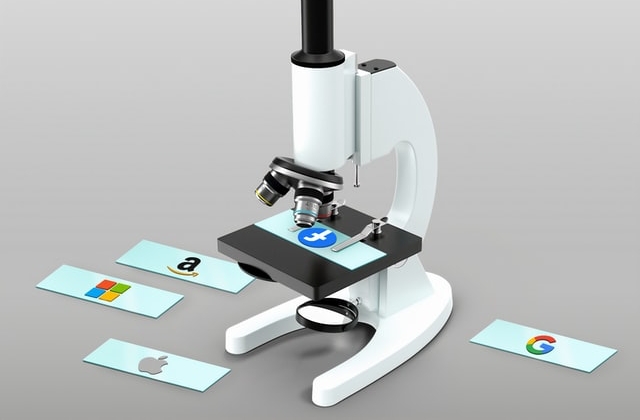
New Zealand reportedly approached Facebook and Google and expressed its wish for them to make a deal with its local publication firm, Kiwi Media Publishing Limited. Apparently, the country is seeking payments for news just like what Australia did.
In a news report by AFP News and published on Yahoo, New Zealand wants to form a deal similar to the Australian News Media Bargaining Code. It works in the same way since it also wants tech firms to pay local publishers for news that will appear or be shared on their platforms.
The meeting has started for a potential deal
Kris Faafoi, New Zealand’s broadcasting minister, revealed this week that he already met with the leading American tech firms as a first step to strike a deal with them. He said that he was thinking of implementing regulations - the same arrangement that Australia had with the tech companies.
The minister expressed high hopes that his country will be able to negotiate and reach a good deal. He said that this will be a big help to New Zealand's struggling media industry.
"Last week I met with both Google and Facebook," Faafoi said during a parliamentary committee meeting this week. "I'm confident that commercial discussions taking place between traditional media and digital platforms will also begin here in New Zealand, and I encourage that."
Faafoi went on to say that this time of the pandemic makes the work of the media sector very important. Thus, he wants them to be compensated, and he will work on achieving this goal.
The Australian media code
Faafoi’s proposal is apparently lifted from Australia’s deal with Facebook and Google. The two tech giants initially refused to accept the Aussie media code but eventually agreed after negotiations.
The media law that requires tech companies to pay for news was passed last month, and this was confirmed by Australia’s Treasurer Josh Frydenberg. He said that the bill has been named News Media and Digital Platforms Mandatory Bargaining Code and called the historic passing of the rule a “significant milestone.”







