Lower cattle prices eased one part of U.S. restaurant costs in the third quarter, but increases in several other food inputs left the effect uneven and dependent on what each chain serves.
Cattle prices were 9% below their year-earlier level in the third quarter, following a 9.8% annual increase in the second quarter. Soybean oil, wheat and corn became more expensive during the third quarter. Cheaper cattle therefore came alongside higher costs for other ingredients used by restaurants.
Chicken costs also shifted from annual decreases to increases. By October 2026, chicken breast prices stood 4% above a year earlier, reversing July's 36% annual decline. Wings recorded a 2% annual rise in October, after a 28% drop in July.
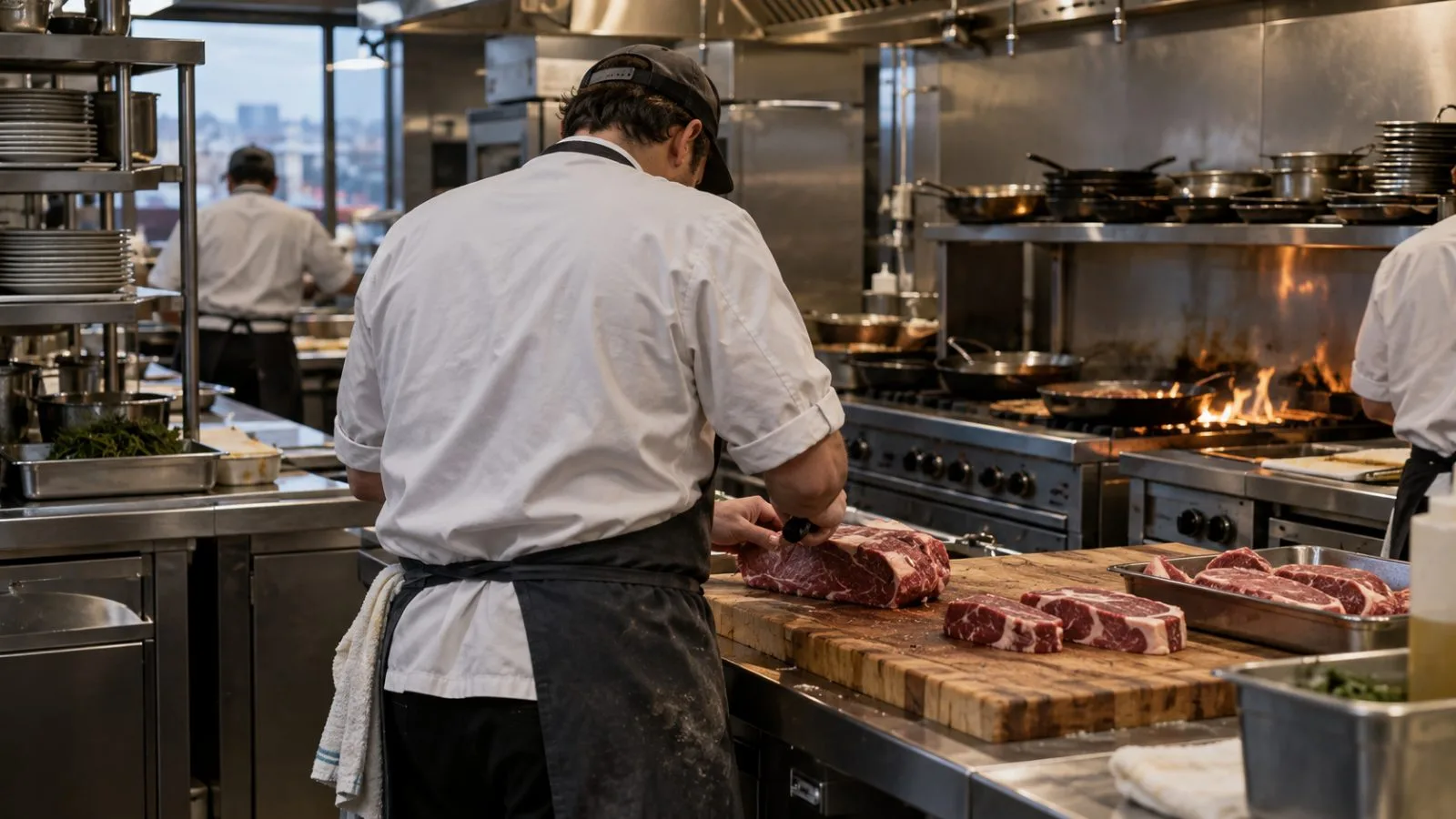
The impact depends partly on menu composition. For chains outside pizza, coffee and dessert, the share of ingredient spending devoted to beef and chicken ranges from 25% to more than 35%. Texas Roadhouse's focus on beef gives protein prices more weight in its costs than they have for Cava or Sweetgreen. That mix can make falling cattle costs more consequential for a beef-focused operator while also increasing its sensitivity when protein prices rise.
Grocery shoppers faced a separate measure of food costs. The U.S. Bureau of Labor Statistics (BLS) said food-at-home prices rose 1.8% in the 12 months ended September 2026. That household measure adds context to the restaurant figures, though it tracks grocery prices rather than restaurants' ingredient costs.
For the fourth quarter, futures indicated cattle prices 1.4% above a year earlier and 3.9% above the third-quarter level. Those comparisons use different reference periods: one measures the expected change from a year earlier, while the other compares with the preceding quarter. The fourth-quarter futures outlook is the next indicator in the figures.