


 Locked up then locked out: how NZ’s bank rules make life for ex-prisoners even harder
  Why have so few atrocities ever been recognised as genocide?
  Britain has almost 1 million young people not in work or education – here’s what evidence shows can change that
  1 in 3 uni students experience serious financial hardship. Could concession cards for all help?
  Want to cut your energy bills? Here’s how five experts are doing it
  Booked to travel through the Middle East? Here’s why you shouldn’t cancel your flight
  Why a ‘rip-off’ degree might be worth the money after all – research study
  The pandemic is still disrupting young people’s careers
  Office design isn’t keeping up with post-COVID work styles - here’s what workers really want
  Can your cat recognise you by scent? New study shows it’s likely
  How to support someone who is grieving: five research-backed strategies
  6 simple questions to tell if a ‘finfluencer’ is more flash than cash
  Time to buy local: war fuel price shocks reveal the folly of a long food supply chain
  Glastonbury is as popular than ever, but complaints about the lineup reveal its generational challenge
  Stuck in a creativity slump at work? Here are some surprising ways to get your spark back


 Add as a preferred source on Google
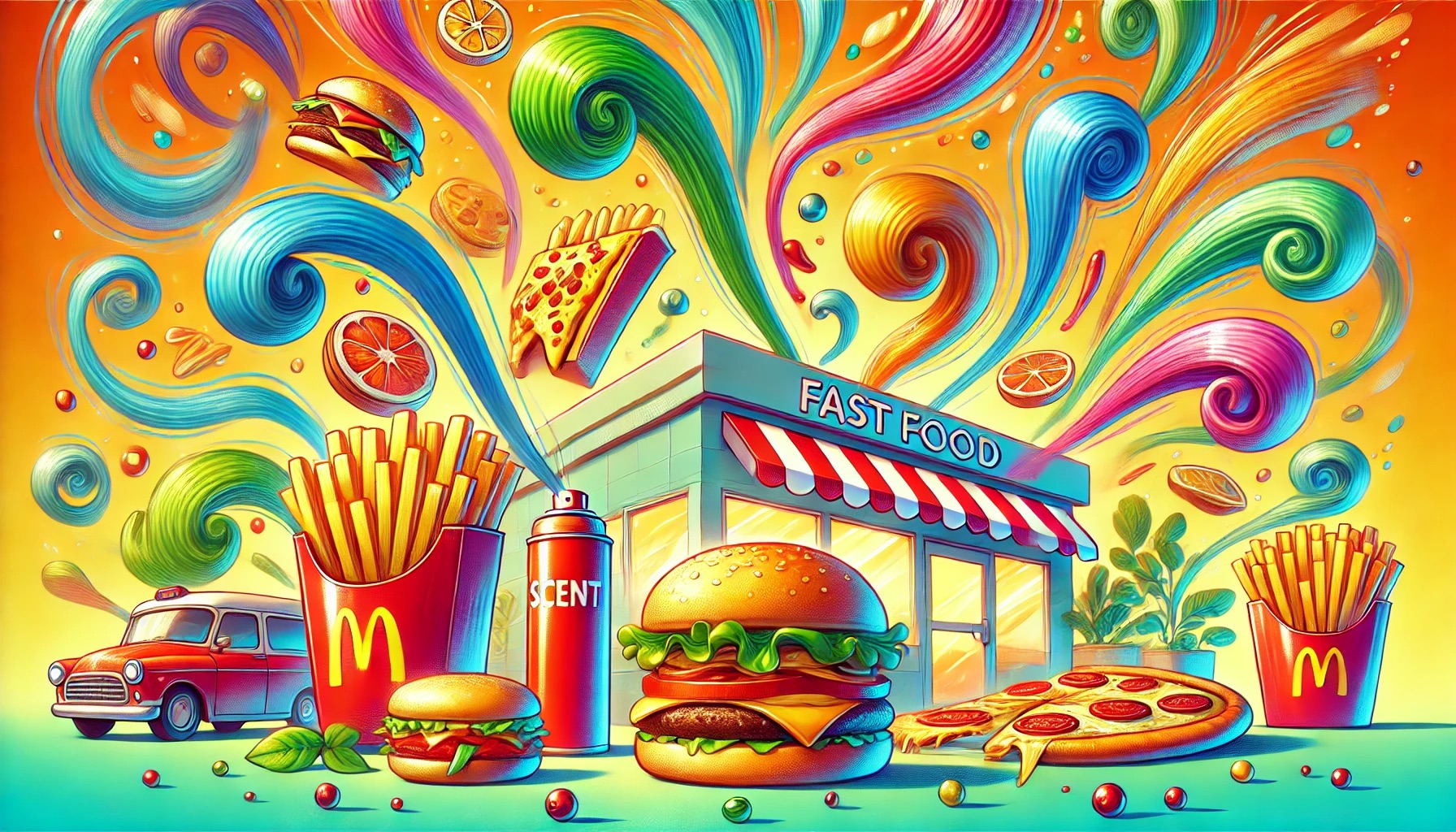
Fast food chains like McDonald's and Cinnabon are using scent marketing to attract customers by releasing enticing aromas. This strategy capitalizes on our primal sense of smell to create emotional connections, driving sales and fostering brand loyalty.
Scent Marketing: How Fast Food Brands Are Using Aromas to Captivate Customers and Boost Sales
Imagine walking past a McDonald's, and suddenly, the unmistakable aroma of sizzling fries and juicy burger patties wafts through the air. Almost instinctively, you find yourself drawn toward the entrance. What just happened? You've been influenced by scent marketing—a strategic practice that uses appealing aromas to shape consumer behavior, strengthen brand loyalty, and enhance the overall experience. In an environment saturated with visual and auditory stimuli, scent marketing offers a subtle yet powerful way to engage one of our most primal senses.
Fast food chains are increasingly harnessing the power of scent marketing to attract customers. McDonald's, for example, has perfected the art of releasing the right aromas at the right time. When the enticing smell of fries reaches you as you pass a McDonald's, it's no accident. According to Mashed, this ambient scent, carefully diffused from the kitchen, permeates the store and the surrounding area, subtly encouraging passersby to indulge. In April 2024, McDonald's Netherlands took this tactic a step further, installing scented mobile billboards that emitted the familiar fragrance of their fries, tempting nearby pedestrians to satisfy their cravings.
Cinnabon, Subway, and Starbucks Use Scent Marketing to Create Lasting Emotional Connections with Customers
Cinnabon, another iconic brand, is a true maestro of scent marketing, leveraging the nostalgic aroma of cinnamon and sugar to its advantage. The bakery chain strategically places its ovens at the front of the store, ensuring that the irresistible scent of freshly baked cinnamon rolls wafts into the air. Similarly, Subway capitalizes on the mouthwatering aroma of freshly baked bread, while Starbucks diffuses the rich, comforting scent of ground coffee beans to create a warm and inviting atmosphere.
But why is scent marketing so effective? Smell, being one of our most primal senses, plays a crucial role in forming emotional connections and triggering memories. Unlike sight or sound, which require cognitive processing, the brain responds to smell almost instantly. Scent marketing is not just about making customers crave a particular food item—it's about crafting a lasting, multi-sensory experience. The lingering aroma ensures that you remember not just the taste but how the experience made you feel, forging a deeper emotional bond with the brand.







