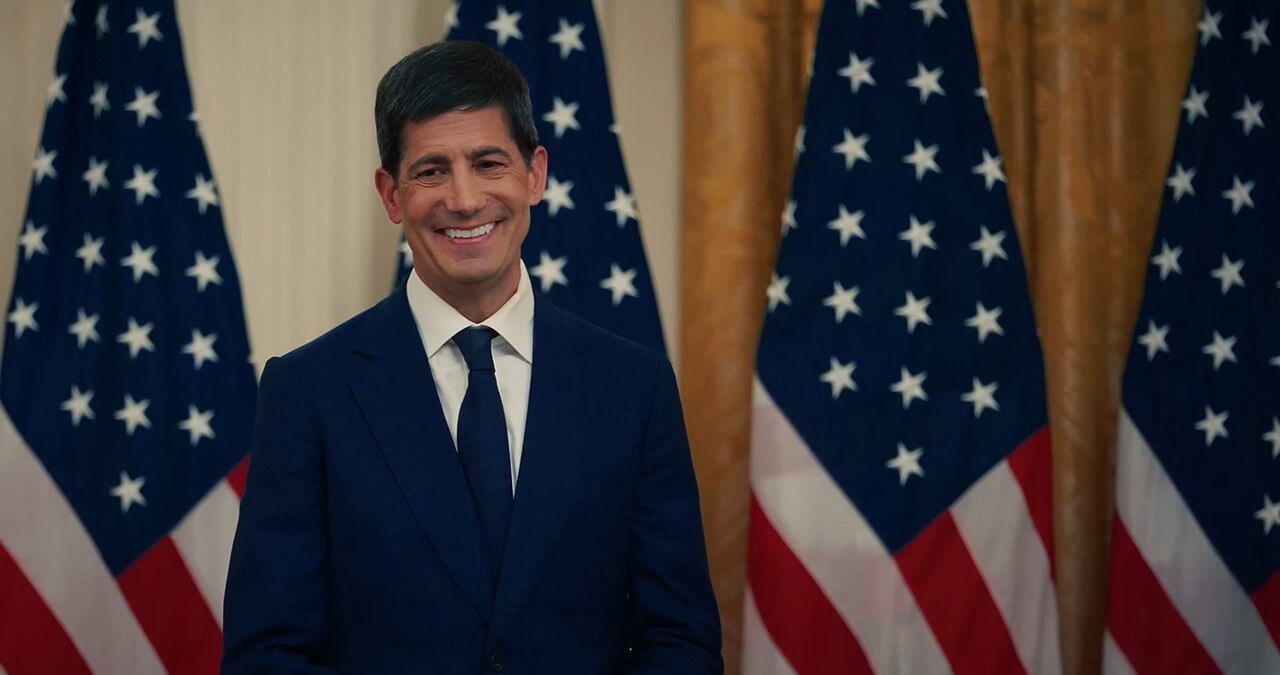
Federal Reserve Chair Kevin Warsh has unveiled five independent task forces to conduct a comprehensive review of the U.S. central bank’s monetary policy framework, signaling a major shift in how the Federal Reserve plans to address a rapidly changing economy.
While reaffirming the Fed’s dual mandate of maintaining price stability and maximizing employment, Warsh said the U.S. economy has evolved significantly over the past generation, particularly with the rise of artificial intelligence, new technologies, and changing business dynamics. He said the independent groups will provide evidence-based recommendations to the Federal Open Market Committee (FOMC).
The task forces bring together leading economists, technology executives, business leaders, and former central bankers. The Productivity and Jobs panel, led by venture capitalist Marc Andreessen, Stanford economist Charles I. Jones, and Microsoft executive Asha Sharma, will examine how AI and emerging technologies affect employment, productivity, and economic growth.
The Inflation Frameworks group, headed by Harvard economist Greg Mankiw, Nobel laureate Thomas Sargent of New York University, and William White of the C.D. Howe Institute, will reassess how the Fed measures and responds to modern inflation pressures.
Another panel, focused on Balance Sheet Policy, will evaluate the long-term costs and benefits of the Fed’s asset holdings under the leadership of Karen Dynan, Raghuram Rajan, and Jeremy Stein. Meanwhile, the Communications task force, led by former Bank of England Governor Mervyn King, Peter R. Fisher, and Arminio Fraga, will explore ways to improve how the Fed communicates policy decisions during periods of uncertainty.
The Data task force, featuring Harvard economist Raj Chetty, former Walmart CEO Doug McMillon, and University of Chicago economist Kevin Murphy, will work on improving the quality and speed of economic data used in policy decisions.
The appointments highlight Warsh’s vision of a more practical and forward-looking Federal Reserve. By combining academic expertise with real-world business experience, the initiative aims to modernize economic analysis, reduce reliance on outdated models, and better account for technological innovation and supply-side factors that increasingly shape inflation, productivity, and long-term economic growth.