


 Turkey Targets 5% Economic Growth by 2029
  Trump Signs Order to Cut Routine Childhood Vaccines
  Brazil Warns EU of Retaliation Over Animal Products Ban
  Texas Republicans Turn Against AI Data Centers as Election Backlash Grows
  Trump Imposes New Tariffs on Drone Imports Over US Security Concerns
  Pacific Leaders Raise Alarm Over China Missile Test as Nauru Dissents
  JPMorgan Sees ECB Raising Rates to 2.75% in December
  China to Inject $45 Billion Into State Financial Institutions
  SEC Probes Banks Over Situational Awareness Hedge Fund Collapse
  AfD Eyes Historic Win in Saxony-Anhalt Election
  Trump Imposes New US Tariffs on Drone Imports Over National Security Concerns
  Trump Seeks Europe Repayment for U.S. Ukraine Military Aid
  Google Changes EU Spam Policy Amid Antitrust Scrutiny
  China Expands Influence in Global Gold Market
  US Oil Blockade Deepens Iran’s Economic Crisis
  Chinese AI Stocks Rally After OpenAI Launches GPT-6 Astra


 Add as a preferred source on Google
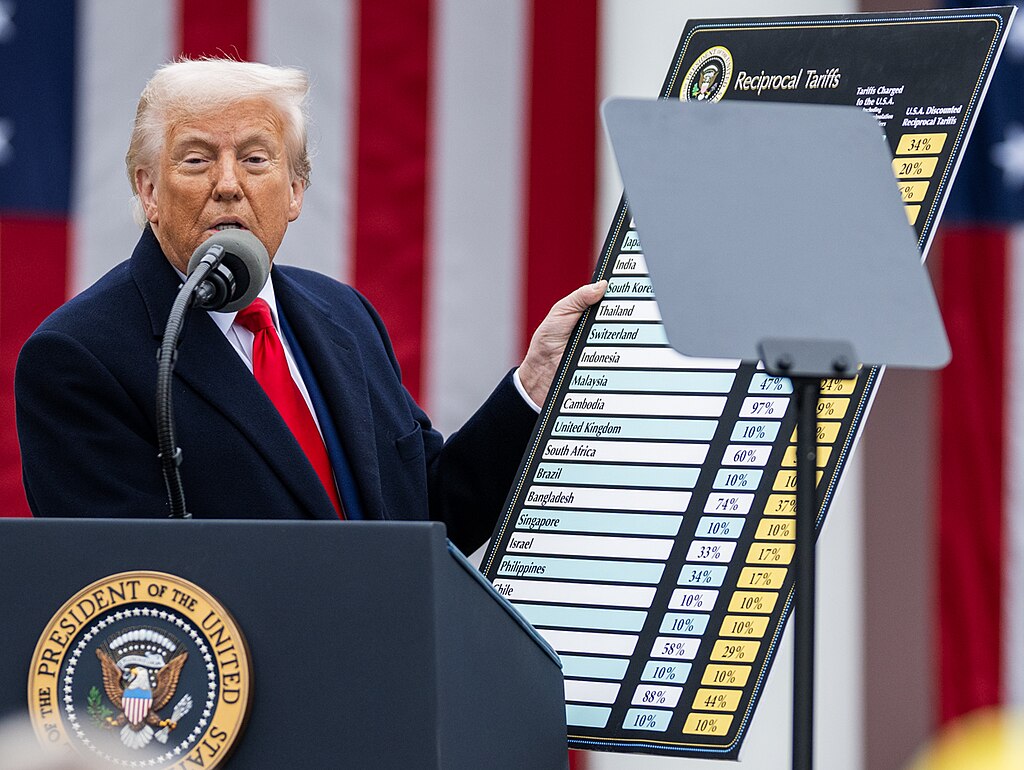
The Trump administration has imposed new tariffs of 10% and 12.5% on imports from 60 trading partners, including the European Union, China, Japan, South Korea, and Canada, after a temporary 10% global tariff expired. The new duties, which took effect at 12:01 a.m. EDT on Friday, are aimed at countries the U.S. says have failed to adequately enforce bans on goods produced with forced labor.
The tariffs were introduced under Section 301 of the Trade Act of 1974, allowing the White House to maintain a broad tariff framework after the U.S. Supreme Court struck down President Donald Trump’s earlier reciprocal tariffs imposed under emergency powers. According to the administration, the latest measures cover about 99.4% of U.S. imports, although key products such as oil and gas, fertilizer, certain food items, aircraft, critical minerals, and goods already subject to national security tariffs remain exempt.
U.S. Trade Representative Jamieson Greer said the United States has long enforced strict import bans on products made with forced labor and argued that trading partners should adopt similar standards. Officials also noted that countries with existing trade agreements that cap U.S. tariff rates would not face duties exceeding those negotiated limits.
The tariff structure assigns a 10% rate to countries including Britain, India, Indonesia, Malaysia, Mexico, Pakistan, Bangladesh, and Canada, while most of the remaining nations, including China and Vietnam, face a 12.5% duty. The European Union, Taiwan, Japan, South Korea, and Switzerland received adjusted rates that, when combined with existing most-favored-nation tariffs, total either 10% or 12.5%.
Several governments criticized the move. European Union foreign policy chief Kaja Kallas questioned the rationale behind targeting the bloc, citing its strong labor protections. Australia, Brazil, and Norway also rejected the tariffs, while Canada described them as unilateral but pledged to continue trade discussions with Washington.
Trade experts said the new tariffs are likely to face fewer legal challenges because Section 301 has survived previous court reviews. They also noted that the administration retains broad authority to modify the duties over time, making the policy a key part of President Trump’s strategy to preserve a baseline tariff on most U.S. imports while increasing pressure on trading partners over forced labor concerns.







