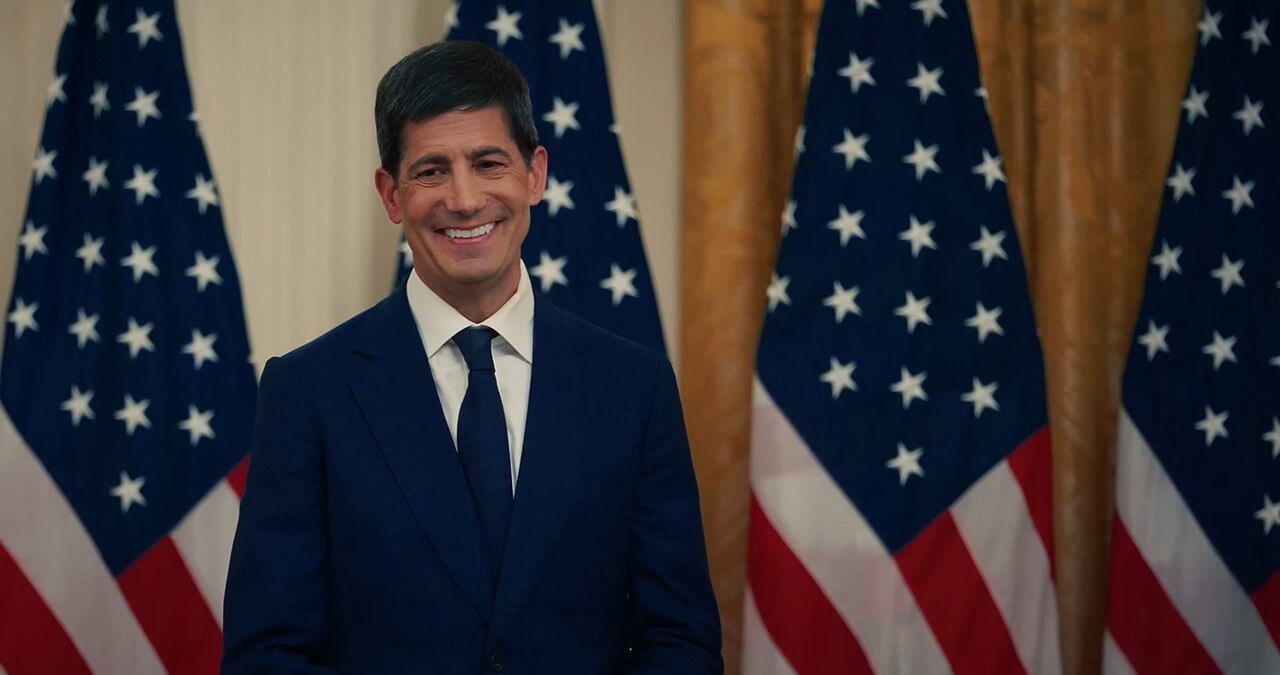
Federal Reserve Chairman Kevin Warsh will take center stage at the Jackson Hole economic symposium on Friday, with global markets looking for clearer signals on U.S. interest rates, persistent inflation and recent volatility in the bond market.
Warsh, who became Fed chief three months ago, is scheduled to deliver his keynote address at 10 a.m. EDT (1400 GMT). Investors will watch closely for clues on whether the Federal Reserve could raise interest rates again if inflation remains significantly above its 2% target.
The Fed has kept its benchmark rate at 3.50%-3.75% since December. Several policymakers have recently suggested that monetary policy may need to become more restrictive.
Kansas City Fed President Jeffrey Schmid said current rates may not be doing enough to restrain spending and investment, describing inflation as stubborn and sticky. Cleveland Fed President Beth Hammack also argued that "now is the time to act." Boston Fed President Susan Collins offered a more cautious assessment, telling Reuters that inflation data remained mixed and that another rate hike was still an open question.
The Fed's preferred Personal Consumption Expenditures Price Index showed inflation holding at 3.7% in July, well above the central bank's target. At the same time, recent consumer spending and durable goods data have strengthened the U.S. economic outlook, complicating the Fed's policy decision.
Warsh has generally avoided giving detailed forward guidance, preferring to keep monetary policy flexible as economic conditions evolve. However, economists are increasingly looking for him to explain which developments could trigger another rate increase.
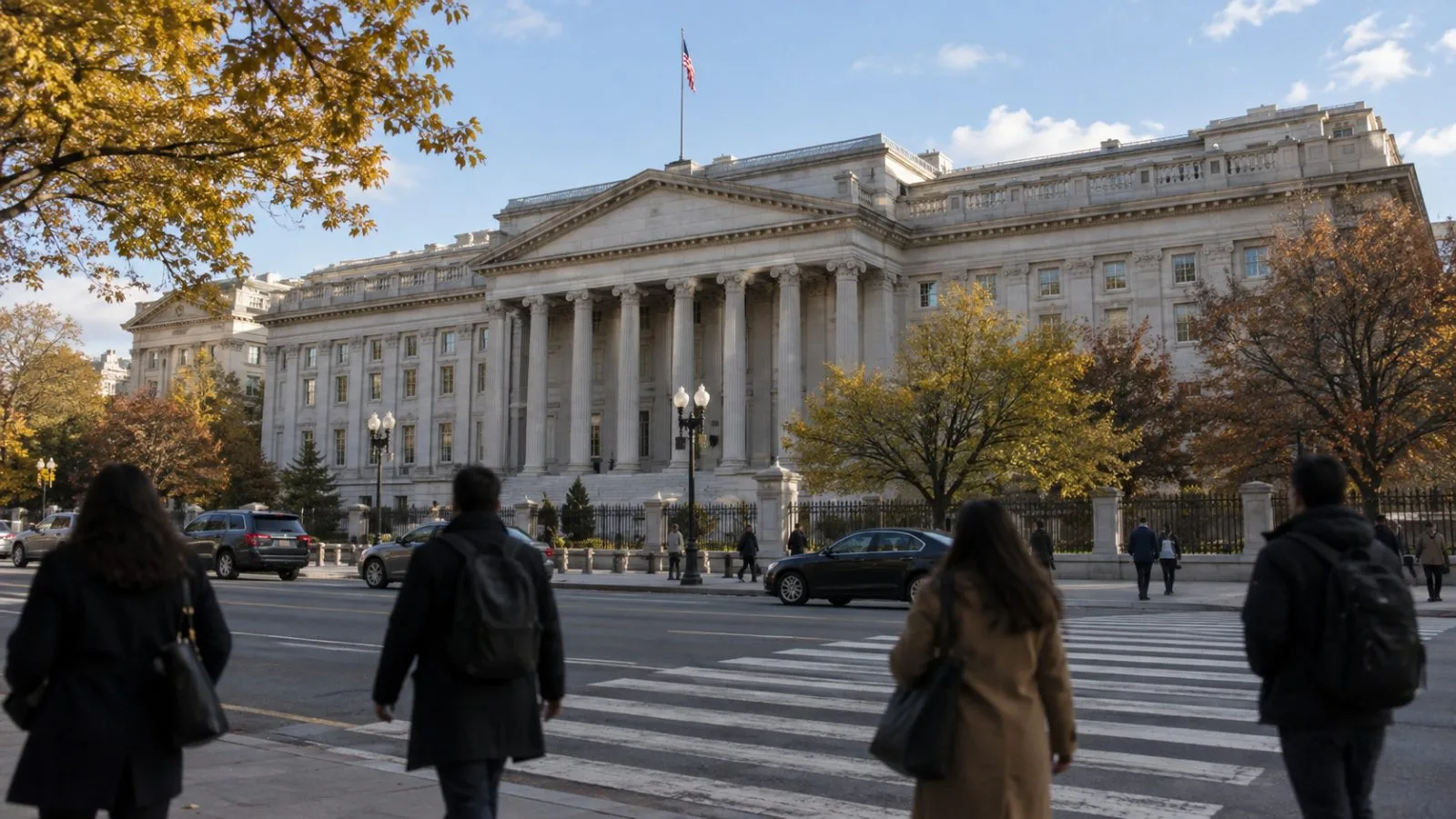
His speech also comes amid scrutiny of Treasury Secretary Scott Bessent's recent intervention in U.S. bond markets. Higher Fed rates aimed at controlling inflation could increase borrowing costs for the government as outstanding U.S. public debt approaches $40 trillion.
International central bankers will also be watching closely because Federal Reserve policy affects global currencies, borrowing costs and inflation.
While this year's Jackson Hole symposium focuses on financial innovation, Warsh's policy framework is likely to dominate attention. Markets want to know how the Fed chair balances inflation risks, economic growth and financial stability—and what conditions would ultimately convince him that another rate hike is necessary.