


 Deutsche Bank Warns of Persistent Inflation Risks in 2025
  Stock Futures Slip as Amazon Tumbles on Weak Outlook, Eyes on Jobs Data
  Cardano Price Eyes $0.30 as ADA Whale Activity Surges
  Robinhood Buys $25 Million in Bitcoin for Corporate Treasury
  How the UK’s rollback of banking regulations could risk another financial crisis
  Peter Brandt Flags Key XRP Breakout at $1.6572
  Zcash Privacy Demand Rises as AI Exposes Bitcoin Transactions
  Wall Street Banks Plan to Sell $3 Billion of Elon Musk’s X Debt
  Bitcoin Bull Cycle Still Early as XRP, NEAR Consolidate
  U.S. Stock Futures Steady Amid Bank Earnings and Inflation Focus
  Kalshi Withdraws PEPE Perpetual Futures Filing
  Bitcoin Eyes $87,200 Breakout After Weak U.S. Jobs Data
  SoftBank and OpenAI Lead $19B Investments in Stargate AI Initiative
  Evernorth XRPN Nasdaq Listing Delayed to October 12
  Rising Bond Yields Pose Risks to US Stocks and Boost Dollar


 Add as a preferred source on Google
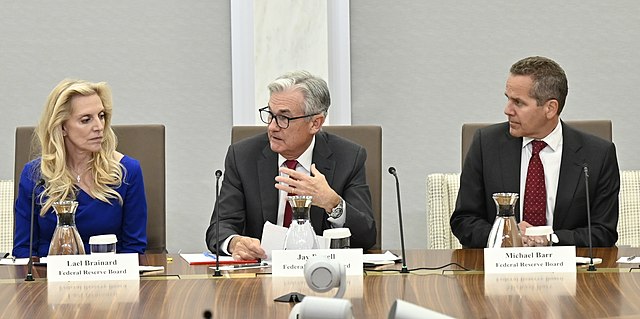
Federal Reserve Governor Christopher Waller shared an optimistic outlook on inflation and interest rates during a recent CNBC interview. Highlighting December’s favorable inflation data, Waller suggested that if this trend continues, rate cuts could happen in the first half of the year. He noted that a March cut remains on the table, emphasizing that as inflation trends lower, additional rate cuts—potentially three or four—might be feasible.
Waller expressed confidence in inflation nearing the Fed's target, but acknowledged his perspective might be more optimistic than some of his colleagues. While cautioning that upcoming data could alter projections, he maintained that inflation has largely returned to trend.
Discussing the labor market, Waller described the recent strong jobs report as a recovery from weaker previous data. He characterized overall employment conditions as stable, neither overheating nor underperforming.
On the topic of incoming President Trump’s potential tariffs, Waller dismissed significant concerns, asserting they are unlikely to drive inflation higher or have a substantial impact.
While expressing optimism, Waller reiterated the importance of monitoring future economic indicators, as any shift could reshape the outlook for rates and inflation.







