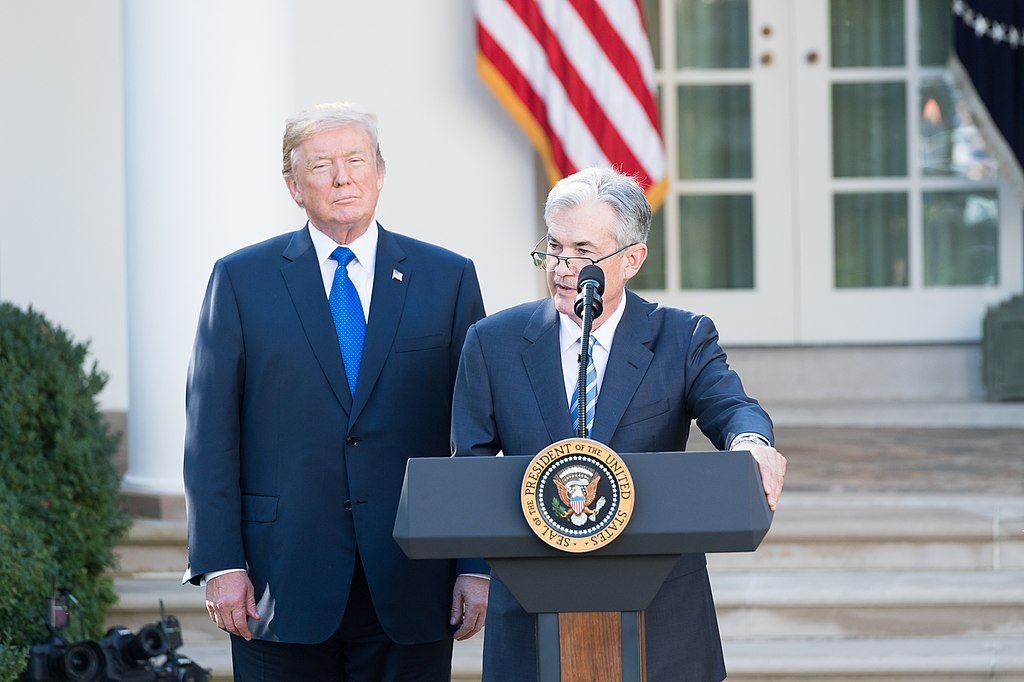
Bond markets are rapidly dialing back expectations for Federal Reserve interest rate cuts in 2025, as surging oil prices reignite inflation concerns and political pressure from President Donald Trump intensifies.
Interest-rate swaps tied to upcoming Fed policy meetings were pricing in just 20 basis points of easing by year-end as of Thursday, a sharp drop from roughly 30 basis points the previous day. The shift is even more dramatic compared to late February, when markets had fully anticipated at least 50 basis points of cuts — the equivalent of two quarter-point reductions — before geopolitical tensions reshaped the outlook.
Trump escalated his criticism of Federal Reserve Chair Jerome Powell on Thursday, dubbing him Jerome "Too Late" Powell on social media and demanding the central bank slash interest rates immediately, without waiting for its next scheduled policy meeting. The public pressure adds another layer of complexity to an already uncertain monetary policy environment.
Market sentiment turned notably more cautious following a U.S. military strike against Iran on February 28, which triggered a significant rally in oil prices. Investors responded by demanding higher yields on government bonds to offset the growing risk of renewed inflation. The Treasury selloff continued Thursday, pushing 2-year yields up 10 basis points to 3.76%.
The broader concern among investors is whether the Federal Reserve can realistically pursue rate cuts while oil-driven inflation pressures remain elevated. Central banks typically avoid easing monetary policy when energy prices are climbing sharply, as doing so risks accelerating consumer price growth.
Adding to the uncertainty, Trump's nominee to lead the Fed, Kevin Warsh, is still awaiting Senate confirmation, leaving questions about future central bank leadership unresolved at a critical moment for U.S. monetary policy.