


 Wall Street Falls as Oil Prices Rise and Tech Stocks Slide
  Ripple Chairman Chris Larsen Donates $22.5 Million Ahead of US Midterms
  Zcash Plans Quantum-Resistant Security Upgrade for January
  Disney Expands Infinity Vision to Challenge Imax
  Djibouti Migrant Boat Capsizes, Killing 139 and Leaving 84 Missing
  Asian Currencies Steady as Dollar Eyes Fourth Weekly Gain
  US Treasury Yields Ease After Strong 10-Year Auction as Global Bonds Struggle
  Gold Prices Rise Above $4,200 as Russia-Ukraine Energy Truce Eases Oil Concerns
  Trump Calls for Zelenskyy Replacement Amid Russian Diesel Deal
  Trump Announces Russia-Ukraine Energy Ceasefire Amid U.S. Pressure on Kyiv
  Starbucks Explores Chipotle Acquisition as Shares Swing
  Blockchain.com Seeks CFTC Approval for Prediction Markets and Crypto Derivatives
  Zelenskiy Offers Russia Energy Truce Amid Trump Pressure
  Global Stocks Mixed as Oil Falls Ahead of US Earnings
  Pakistan Declares Emergency in Khyber Pakhtunkhwa, Suspends Imran Khan’s PTI Government
  FAA Warns US Airlines Over Saudi Arabia Flight Risks
  UK Finance Minister Healey Calls for Fiscal Discipline Amid Global Risks


 Add as a preferred source on Google
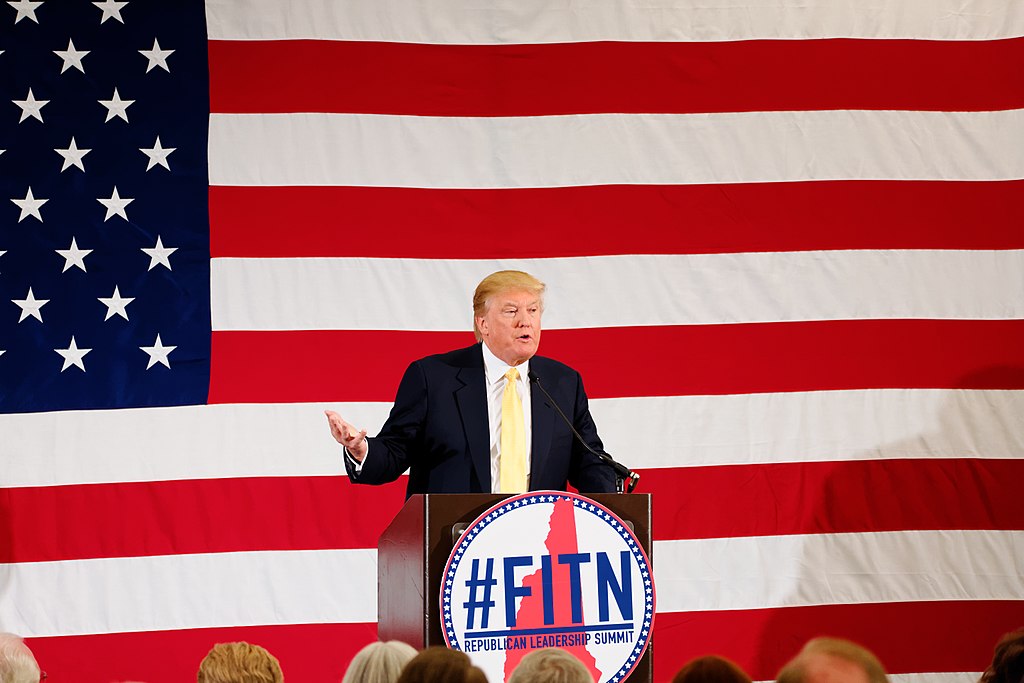
More than 2 million federal employees across the United States are bracing for potential upheaval as President-elect Donald Trump’s administration signals a sweeping overhaul of government operations. Led by tech mogul Elon Musk and entrepreneur Vivek Ramaswamy, the newly formed advisory panel has raised alarms with its bold promises to slash costs and downsize the federal workforce.
Federal unions, representing hundreds of thousands of employees, are mobilizing legal teams and public campaigns to counter what they describe as unprecedented threats to government workers. The looming changes include revisiting the controversial “Schedule F” designation, which strips certain federal employees of longstanding job protections, effectively making it easier to fire them.
The plan, spearheaded by Musk and Ramaswamy, has been lauded by supporters as a necessary step to reduce government bloat. However, critics argue the proposals could lead to chaos, undermining essential government functions and risking inefficiencies in key departments. Ramaswamy’s recent suggestion to randomly fire employees based on Social Security numbers ending in odd digits has sparked outrage and highlighted the panel’s aggressive stance.
Union Pushback and Congressional Dynamics
Federal unions are pinning their hopes on a divided Congress to push back against the incoming administration’s plans. The Republican-controlled House, despite its alignment with Trump, may resist measures perceived as undermining its budgetary authority.
“Congress sets federal spending levels, and we believe many members won’t cede that power,” said Steve Lenkart, executive director of the National Federation of Federal Employees. He emphasized that large-scale firings would impact not only Washington, D.C., but also Republican-led states with significant federal employment, such as Oklahoma and Alabama.
The American Federation of Government Employees (AFGE), representing 750,000 workers, echoed similar concerns. Jacqueline Simon, the union’s policy director, warned that Trump’s approach could set a dangerous precedent for using budgetary impoundment to force departments into compliance.
Legal and Political Battles Ahead
While federal employees are shielded by specific labor protections, legal experts say the Trump administration could leverage recent court rulings granting the president broader authority to fire government workers. Democrats in Congress have introduced new rules bolstering job protections, but these measures are viewed as temporary safeguards rather than permanent solutions.
“The combination of legal challenges and congressional pushback will determine how far these plans can go,” said Lilas Soukup, a union leader representing workers at the Centers for Disease Control and Prevention and the Department of Energy.
Impacts Beyond Washington
Despite the upheaval, not all federal workers may face cuts. Agencies like the Department of Veterans Affairs and Homeland Security, which operate with Republican support, could see spending increases. However, departments with ideological clashes with Trump, such as the Environmental Protection Agency, are at heightened risk.
Whether congressional Republicans will challenge Trump’s plans remains uncertain, but federal workers across the nation are preparing for what could be a seismic shift in the U.S. government’s structure. The stage is set for a showdown between the administration and the very workforce that keeps the nation running.







