


 Trump Calls for Zelenskyy Replacement Amid Russian Diesel Deal
  Mahmoud Abbas Postpones Palestinian Elections to September 2027
  Zelenskiy Slams US-Russia Diesel Deal as Funding War
  Trump Sanctions International Criminal Court, Sparking EU Backlash
  Venezuela’s Machado Calls for Elections by July 2027
  Trump Announces Russia-Ukraine Energy Ceasefire as Zelenskiy Awaits Details
  JD Vance Questions Pentagon Plan to Livestream Fort Hood Shooter’s Execution
  Trump Buys Up to $25M in Meta Stock, Invests in SpaceX Debt
  Flavio Bolsonaro Leads Lula 49%-45% in Brazil Runoff Poll
  US Charges Maduro and Wife With Torture Conspiracy
  US, EU Push for Action Against Asia’s Excess Factory Capacity
  North Korea Fires Ballistic Missiles as Tensions With South Korea Escalate
  Flydubai Co-Pilot Planned Suicide Attack on Israel Airport, UAE Says
  Trump Cancels Alabama Football Trip as Hurricane Isaias Approaches
  US Judge Blocks Trump Administration’s Taxpayer-Funded Political Ads
  Trump Secures Russian Diesel Deal as US Fuel Prices Surge


 Add as a preferred source on Google
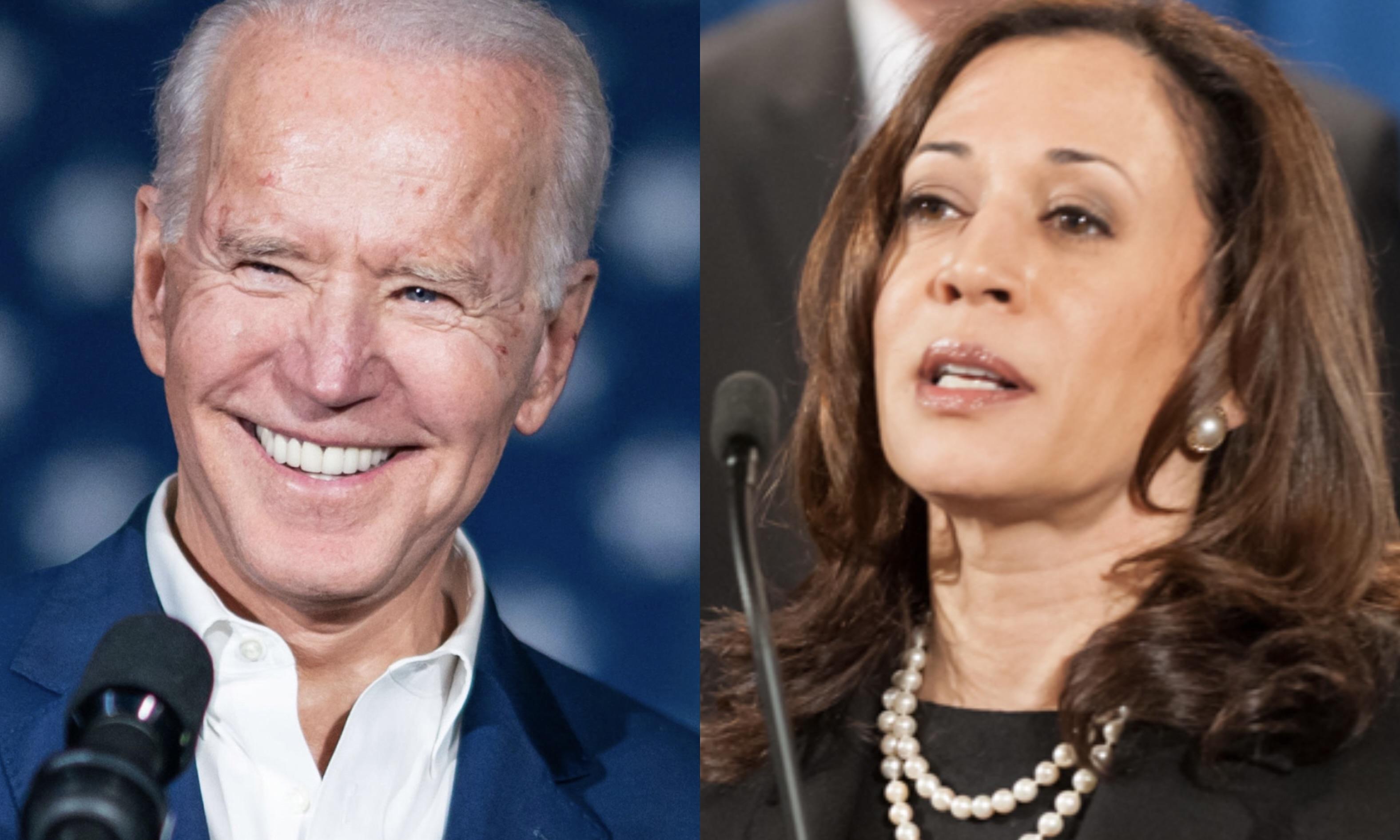
Vice President Kamala Harris has emerged as the clear frontrunner in the first 2028 Democratic primary poll, showcasing a commanding lead over a crowded field of potential challengers.
The poll, released earlier today, reveals Harris commanding 41% of Democratic support, far outpacing her closest competitors. California Gov. Gavin Newsom trails with a mere 8%, while Pennsylvania Gov. Josh Shapiro garners 7%, tied closely with Secretary of Transportation Pete Buttigieg and Minnesota Gov. Tim Walz, each securing 6%.
The results signal Harris’s dominance as the presumptive leader of the Democratic Party, riding on the momentum built during her years as Vice President and her previous run for president. However, the numbers also highlight a deeply fragmented voter base among the lower-tier candidates, raising questions about party unity heading into the election cycle.
A Resounding Lead, but Challenges Loom
Harris’s 41% support is being celebrated by her campaign as a testament to her leadership credentials and national recognition. However, political analysts warn that such an early lead can often come under scrutiny. “While Harris’s numbers are impressive, they also paint a target on her back,” said a Democratic strategist. “Every other candidate in the field will now pivot their strategies to challenge her frontrunner status.”
Critics within the party are already pointing to Harris’s polarizing image among moderate and progressive voters, raising concerns about her ability to unify the base in a general election. Her significant lead over Newsom, a fellow Californian and perceived progressive alternative, could ignite tensions within the left-leaning faction of the party.
A Weak Field or Emerging Contenders?
The rest of the Democratic field faces a steep uphill battle. Newsom’s 8% showing has been met with surprise, given his national prominence and leadership during the COVID-19 pandemic. Shapiro, a rising star in the party following his gubernatorial victory in Pennsylvania, remains largely untested on the national stage but could gain traction in future debates.
Buttigieg, once a top-tier candidate in the 2020 primary, appears to have lost some of his earlier momentum, while Walz, known for his governance of Minnesota, has yet to establish a national presence. Together, these candidates make up a crowded lower tier vying for relevance in Harris’s shadow.
Looking Ahead to 2028
As the Democratic Party gears up for its first primary debates, the question remains whether Harris can solidify her lead or whether an underdog will emerge to challenge her dominance. With nearly 50% of voters still undecided or fragmented among smaller percentages, the race remains far from over.
For now, Harris’s overwhelming lead sets the stage for what could be a contentious battle for the Democratic nomination, with party unity hanging in the balance.







