


 2025 Market Outlook: Key January Events to Watch
  Mexico's Undervalued Equity Market Offers Long-Term Investment Potential
  Geopolitical Shocks That Could Reshape Financial Markets in 2025
  European Stocks Rally on Chinese Growth and Mining Merger Speculation
  Wall Street Analysts Weigh in on Latest NFP Data
  Global Markets React to Strong U.S. Jobs Data and Rising Yields
  US Gas Market Poised for Supercycle: Bernstein Analysts
  Gold Prices Fall Amid Rate Jitters; Copper Steady as China Stimulus Eyed
  Urban studies: Doing research when every city is different
  Trump’s "Shock and Awe" Agenda: Executive Orders from Day One
  Goldman Predicts 50% Odds of 10% U.S. Tariff on Copper by Q1 Close
  U.S. Stocks vs. Bonds: Are Diverging Valuations Signaling a Shift?
  Moody's Upgrades Argentina's Credit Rating Amid Economic Reforms
  China's Refining Industry Faces Major Shakeup Amid Challenges
  Lithium Market Poised for Recovery Amid Supply Cuts and Rising Demand
  Oil Prices Dip Slightly Amid Focus on Russian Sanctions and U.S. Inflation Data
  Gold Prices Slide as Rate Cut Prospects Diminish; Copper Gains on China Stimulus Hopes


 Add as a preferred source on Google
Fitch Ratings says in a newly-published report that its Outlook for Australian transportation infrastructure is stable, supported primarily by continued traffic growth. However, exposure to medium-term bullet debt could leave issuers vulnerable to refinancing risk in the event of a significant downturn in the Australian economy or banking sector.
Underlying traffic levels have remained generally robust in 2015, continuing the trend of recent years. Fitch expects strong overall traffic growth in its rated Australian road portfolio to continue through the second half of 2015, as recently completed expansion works boost patronage. Major Australian airports saw subdued domestic passenger growth of 1.0% for the year to March 2015, but a stronger international increase of 5.6%.
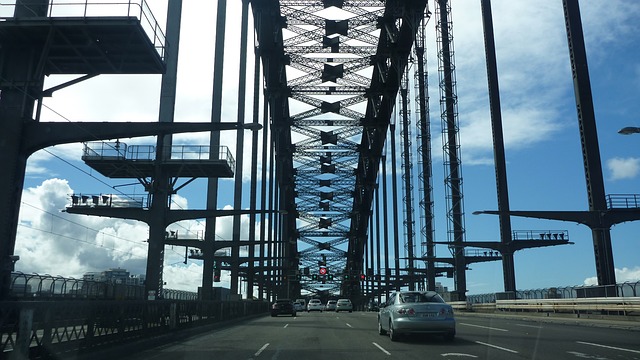
The performance of the road assets in Fitch's Australian portfolio are underpinned by their important economic roles: the Eastern Distributor, Hills M2, M5 and Westlink M7 roads along with the Cross City Tunnel and the Lane Cove Tunnel form the bulk of Sydney's orbital road network; the Queensland Motorways network provides the equivalent function in Brisbane; and the Citylink road in Melbourne is an important connection into the city's central business district. Robust traffic performance, combined with supportive pricing arrangements, has provided these companies with strong cash flow coverage.
Nonetheless, Australian transportation issuers have unusually high exposure to medium-term (three to five-year) domestic bullet bank debt compared with global peers. While cash flows should be able to support potentially higher debt costs in the future, the need for regular refinancing of these long life assets is a weakness, relative to global peers and exposes these companies to the liquidity of the Australian banking sector.
Furthermore, the transport sector is sensitive to fluctuations in Australian GDP growth, and its banking sector is heavily reliant on external debt funding. Should either of these factors deteriorate substantially, Australian transportation issuers could be exposed to reduced traffic levels or to difficulties refinancing maturing debt.
The report, 2015 Mid-Year Outlook: Australian Transportation, is available on www.fitchratings.com or by clicking on the link above.

- News

- Economy

- Central Banks
- Investing
- Research
- Roundups
- Digital Currency
- Insights
- Technical Analysis
- Technology
- Business
- Law
- Health
- Nature
- Fintech
- Science
- Topic
- Opinions
- ©Econometrics LLC . All Rights Reserved.
Fitch: Australian Transportation Sector to Remain Stable through 2015
Wednesday, July 8, 2015 11:34 PM UTC
Editor's Picks



- Market Data
Most Popular




