


 Jordan Bardella Antisemitism Allegations Threaten Le Pen’s Campaign
  Mahmoud Abbas Postpones Palestinian Elections to September 2027
  US Condemns China Sanctions on Taiwan Allies Belize and Paraguay
  US Recalls Nicaragua Envoy After Ambassador Rejection
  Zelenskiy Seeks New US Talks to Revive Ukraine-Russia Peace Negotiations
  US Authorities Raid Ilhan Omar’s Home Amid Immigration Fraud Probe
  Kim Jong Un Showcases ICBM Ahead of Possible Trump Meeting
  Zelenskiy Says Ukraine Received No Warning Before Russian Missile Attack
  Panama Declares Emergency After 7.7 Earthquake Triggers 200 Aftershocks
  Trump Warns Houthis Over Attacks, Considers Erdogan Intervention
  Elon Musk Donates $366 Million to 2026 US Midterms
  Pakistan Declares Emergency in Khyber Pakhtunkhwa, Suspends Imran Khan’s PTI Government
  Trump Plans White House Shake-Up of Key AI Safety Agency
  NATO Commander Warns Russia of Devastating Response to Attack
  Trump Announces Russia-Ukraine Energy Ceasefire as Zelenskiy Awaits Details
  Trump Denies China, Russia Are Helping Iran in War
  India Voter List Protests Reach Supreme Court as Opposition Demands Election Chief's Resignation


 Add as a preferred source on Google
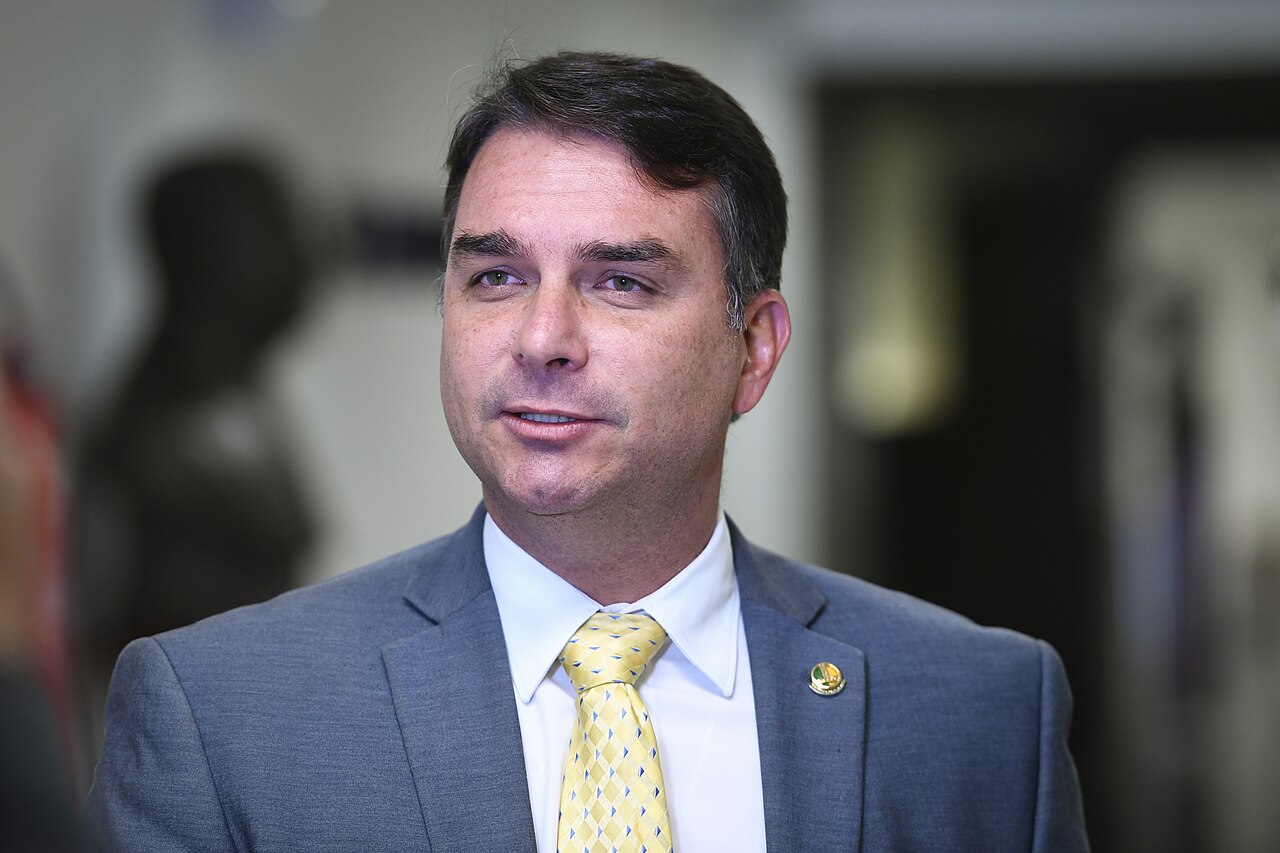
Brazilian Senator Flavio Bolsonaro has reversed his opposition to a proposed labor reform that would shorten the country’s workweek, a politically significant move ahead of his presidential runoff against incumbent President Luiz Inacio Lula da Silva on October 25.
Bolsonaro announced Tuesday that he would support the constitutional amendment reducing Brazil’s standard working week from 44 to 40 hours. The proposal, approved by the lower house in May, would effectively eliminate the six-day workweek commonly practiced in industries such as retail.
The decision represents a major shift for Bolsonaro and his right-wing Liberal Party (PL), which previously opposed the legislation over concerns that it could strengthen Lula’s reelection campaign.
The senator, son of former President Jair Bolsonaro, emerged as the frontrunner after securing 47% of votes in the election’s first round earlier this month, outperforming polling expectations.
Public support for shorter working hours has intensified pressure on lawmakers. A nationwide Quaest survey conducted in July found that nearly 70% of Brazilians favored reducing the workweek, making labor reform a central issue in the presidential race.
Bolsonaro confirmed his support just one day before the Senate’s expected vote, acknowledging widespread demand to end the six-day schedule. However, he emphasized that the government must introduce measures to help businesses manage potential financial consequences.
Lula’s political allies have pushed for Senate approval before the presidential runoff, seeking to advance the legislation while the incumbent remains in office.
During an official event Tuesday, Lula suggested that public demonstrations and mounting political pressure had influenced the Liberal Party’s apparent shift. However, PL has not formally confirmed a change in its official position.
Political analyst Leandro Gabiati of consultancy Dominium described Bolsonaro’s reversal as a strategic decision designed to protect his electoral advantage on an issue with broad public support.
Business organizations have warned that reducing working hours could increase operating expenses and weaken Brazil’s economic competitiveness. Nevertheless, Gabiati argued that Bolsonaro’s revised position was unlikely to significantly damage his relationship with business leaders.
If approved, the 40-hour workweek proposal would represent one of Brazil’s most significant labor rights reforms in decades, potentially reshaping employment conditions across Latin America’s largest economy.







