


 Jordan Bardella Antisemitism Allegations Threaten Le Pen’s Campaign
  Gaza Olive Harvest Collapses as War Destroys Farmland
  Global Markets React to Strong U.S. Jobs Data and Rising Yields
  Elon Musk Donates $366 Million to 2026 US Midterms
  2025 Market Outlook: Key January Events to Watch
  Mexico's Undervalued Equity Market Offers Long-Term Investment Potential
  U.S. Treasury Yields Expected to Decline Amid Cooling Economic Pressures
  Trump Announces Massive Oil and Mineral Exploration Plans in Greenland
  Trump Plans White House Shake-Up of Key AI Safety Agency
  U.S. Stocks vs. Bonds: Are Diverging Valuations Signaling a Shift?
  Trump Confirms US Intelligence Sharing With Ukraine Amid Russian Strikes
  UBS Predicts Potential Fed Rate Cut Amid Strong US Economic Data
  Greenland Lawmakers Back Trump Security Deal Despite Economic Concerns
  Trump Denies Russia and China Are Helping Iran in U.S. Conflict
  Flavio Bolsonaro Backs Brazil’s 40-Hour Workweek Reform Ahead of Runoff
  Trump’s "Shock and Awe" Agenda: Executive Orders from Day One
  US Recalls Nicaragua Envoy After Ambassador Rejection


 Add as a preferred source on Google
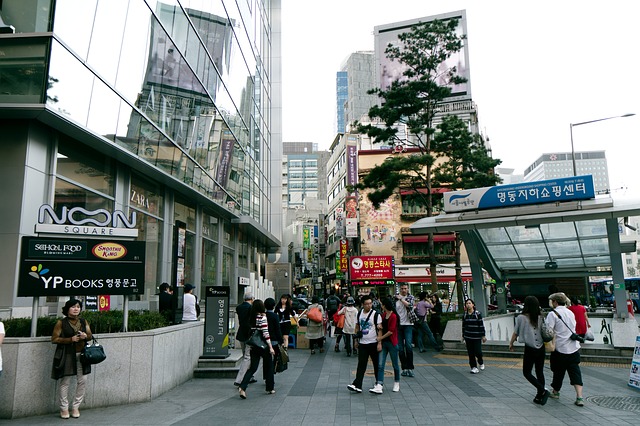
The South Korean government will find it more difficult to implement key structural reforms to boost long-term productivity, after the governing party lost in recently held elections, says Fitch Ratings. South Korea's long-term growth prospects face challenges from a series of structural factors. Reforms to rebalance the economy towards domestic demand and to boost productivity will be essential to ensure that potential growth rates do not fall significantly in the next decade.
The election on 13 April resulted in the governing Saenuri Party falling to second place in the National Assembly with 122 of 300 seats. This will likely make passage of any potentially contentious legislation, including that pertaining to labour market and services sector reforms, more difficult. The previous parliamentary session, where the governing party held 146 seats, was already marked by political contention, with less than a third of bills introduced being passed. Saenuri hoped to reach the threshold of 180 seats needed to unilaterally pass legislation.
Reforming and liberalising labour market regulation have been key planks of the South Korean government's economic policy agenda to boost productivity over the long term and sustain higher rates of economic growth. South Korea has historically benefited from high real GDP growth relative to its 'AA' category peers, but it faces constraints in both the near and long terms. Fitch expects GDP growth to remain below 3% in 2016 owing to lacklustre global demand. Over the longer term, low productivity growth and aging demographics could halve the potential growth rate from around 3% to 1.4% in the 2030s, according to calculations of the Korea Development Institute.
Fitch has highlighted that structurally lower GDP growth than presently expected would be credit negative for South Korea, though indications that the economy could boost growth without causing a deterioration in household or public sector balance sheets would be positive.
The changes in the National Assembly's composition are not likely to result in any significant changes or reversals in economic policy. The parliamentary elections do not mean a change of government - the next presidential elections are not due until December 2017.
The Outlook on South Korea's 'AA-' rating remains Stable, with robust external finances and generally stable macroeconomic performance as key credit strengths.







