


 European Stocks Flat as Iran Tensions, ECB Rate Hike Loom
  Oil Prices Climb as Iran Threatens Gulf Energy Infrastructure
  Iran Vows Tougher Response as U.S. Sanctions Squeeze Economy
  China Exports Surge 25% in August as Trade Surplus Hits $119 Billion
  Iran Plans New Gulf Restricted Zone as Hormuz Tensions Push Oil Higher
  US Tightens Cuba Sanctions, Targets Officials and State Entities
  Asian Stocks Mixed as Korean Chipmakers Rally
  Trump Administration Pauses Visa Appointments Worldwide
  Iran Allows Iraqi Oil Tankers Through Strait of Hormuz
  Asian Stocks Rally as AI Optimism Fuels Chipmaker Surge
  FCC Steps Up China Tech Crackdown as Beijing Pushes Back
  SEC Sues Former Tricolor Executives Over $1.9 Billion Investor Fraud Scheme
  Lavrov Accuses Germany of ‘Declaring War’ on Russia
  New Zealand Moves to Ban Social Media for Children Under 16
  Trump Threatens Bombardier U.S. Sales Ban
  Oil Prices Rise as Hormuz Tensions Threaten Supply


 Add as a preferred source on Google
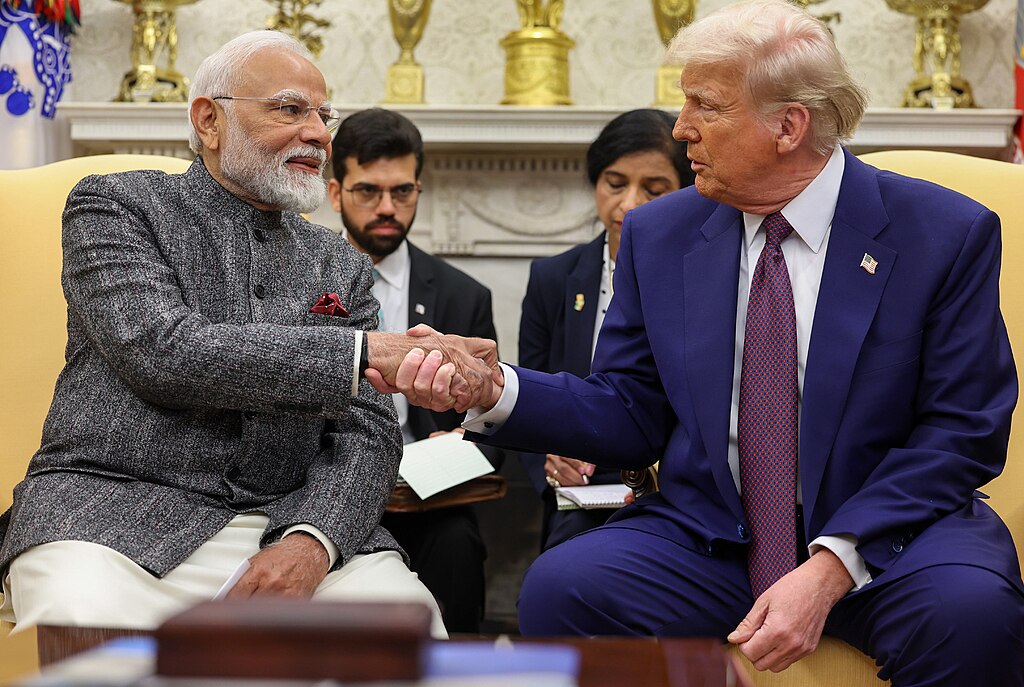
President Donald Trump has signed a landmark executive order removing the 25% penalty tariff on Indian goods, signaling a major shift in U.S.–India trade relations and global geopolitical alignment. The move functions as the core enforcement mechanism of a broader trade framework aimed at reducing India’s economic reliance on the Russian Federation while strengthening ties with the United States in energy, defense, and technology.
In the executive order, Trump stated that India has committed to ending both direct and indirect imports of Russian oil and will instead prioritize the purchase of U.S. energy products. India has also agreed to a long-term framework to expand defense cooperation with the United States over the next decade. Central to the agreement is India’s pledge to purchase approximately $500 billion worth of American energy, aircraft, and advanced technology over the next five years, a move expected to significantly benefit U.S. exporters and manufacturers.
While the Russia-related 25% surcharge has been eliminated, the deal introduces a new reciprocal tariff structure. A baseline levy of 18% will apply to selected Indian exports such as textiles, leather products, and organic chemicals. At the same time, the United States has agreed to remove additional duties on strategically important sectors, including generic pharmaceuticals, gems, and aircraft parts, easing access for Indian exporters in critical industries.
U.S. agricultural and industrial sectors are positioned to gain immediate advantages as India has committed to lowering or eliminating tariffs on a range of American products. These include soybean oil, distilled spirits, dried distillers’ grains, and fresh fruit, opening new opportunities for U.S. farmers and food exporters. The agreement also addresses long-standing non-tariff barriers that have affected U.S. medical device and information and communications technology companies operating in India.
Beyond trade, the framework emphasizes economic security and supply chain resilience. Both nations have agreed to coordinate efforts to counter non-market policies of third parties and promote innovation through closer alignment. The removal of the 25% tariff officially takes effect at 12:01 a.m. Washington time on February 7, marking what both governments describe as an interim step toward a comprehensive Bilateral Trade Agreement designed to establish a durable economic and security partnership.







