


 Fed May Resume Rate Hikes: BofA Analysts Outline Key Scenarios
  Moody's Upgrades Argentina's Credit Rating Amid Economic Reforms
  US Futures Rise as Investors Eye Earnings, Inflation Data, and Wildfire Impacts
  Urban studies: Doing research when every city is different
  Wall Street Analysts Weigh in on Latest NFP Data
  U.S. Banks Report Strong Q4 Profits Amid Investment Banking Surge
  China's Refining Industry Faces Major Shakeup Amid Challenges
  U.S. Stocks vs. Bonds: Are Diverging Valuations Signaling a Shift?
  Energy Sector Outlook 2025: AI's Role and Market Dynamics
  Mexico's Undervalued Equity Market Offers Long-Term Investment Potential
  UBS Predicts Potential Fed Rate Cut Amid Strong US Economic Data
  Stock Futures Dip as Investors Await Key Payrolls Data
  Trump’s "Shock and Awe" Agenda: Executive Orders from Day One
  Goldman Predicts 50% Odds of 10% U.S. Tariff on Copper by Q1 Close
  Global Markets React to Strong U.S. Jobs Data and Rising Yields
  Oil Prices Dip Slightly Amid Focus on Russian Sanctions and U.S. Inflation Data


 Prove Resilient and Well Capitalized - EconoTimes)


 Add as a preferred source on Google
The largest banks in Mexico (Group of 7 or G7) have been able to withstand the past and recent economic crises, according to a new Fitch Ratings dashboard report. The G7 have proven resilient due to their strong franchises, consistent profitability, controlled asset quality, solid liquidity, and sound capital ratios.
The G7 is composed by Banamex, BBVA Bancomer, Banco Santander Mexico, Banorte, HSBC Mexico, Scotiabank Inverlat and Banco Inbursa. Fitch's new report also discusses key factors affecting the credit profiles of these banks.
Despite the currently less dynamic economy in Mexico, G7's performance remains stable. G7 banks continue with consistent profits even in a low interest environment and have quickly adapted their underwriting standards to the operating environment in order to preserve comfortable asset quality.
G7 banks are well capitalized and supported by solid internal capital generation and to a lesser extent to capital infusion from its parent companies. The banks' capital bases are mostly composed of core equity. In turn, these banks have a wide low-cost domestic and broadly diversified retail deposit base and ample access to capital markets and interbank funding that supports its sound liquidity and strong net interest margins. As expected, the G7 did not face pressures in the new liquidity legal requirements required by the Liquidity Cover Ratio under Basel III.

- News

- Economy

- Central Banks
- Investing
- Research
- Roundups
- Digital Currency
- Insights
- Technical Analysis
- Technology
- Business
- Law
- Health
- Nature
- Fintech
- Science
- Topic
- Opinions
- ©Econometrics LLC . All Rights Reserved.
Fitch: Mexico's Largest Banks (G7) Prove Resilient and Well Capitalized
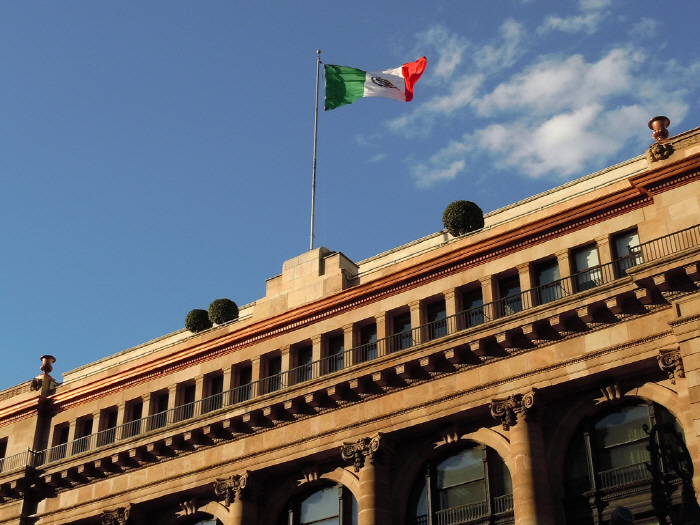
Bank of Mexico building (Matthew Rutledge_Flikr)
Monday, September 21, 2015 9:34 PM UTC
Editor's Picks



- Market Data
Most Popular




