


 UBS Projects Mixed Market Outlook for 2025 Amid Trump Policy Uncertainty
  Global Markets React to Strong U.S. Jobs Data and Rising Yields
  Energy Sector Outlook 2025: AI's Role and Market Dynamics
  Gold Prices Slide as Rate Cut Prospects Diminish; Copper Gains on China Stimulus Hopes
  Urban studies: Doing research when every city is different
  China’s Growth Faces Structural Challenges Amid Doubts Over Data
  Lithium Market Poised for Recovery Amid Supply Cuts and Rising Demand
  S&P 500 Relies on Tech for Growth in Q4 2024, Says Barclays
  Moody's Upgrades Argentina's Credit Rating Amid Economic Reforms
  Goldman Predicts 50% Odds of 10% U.S. Tariff on Copper by Q1 Close
  Trump’s "Shock and Awe" Agenda: Executive Orders from Day One
  UBS Predicts Potential Fed Rate Cut Amid Strong US Economic Data
  Bank of America Posts Strong Q4 2024 Results, Shares Rise
  2025 Market Outlook: Key January Events to Watch
  Wall Street Analysts Weigh in on Latest NFP Data
  Indonesia Surprises Markets with Interest Rate Cut Amid Currency Pressure
  US Gas Market Poised for Supercycle: Bernstein Analysts


 Add as a preferred source on Google
The rise in sea levels already impacts some communities and, in the long term, may pressure some local governments' operations, capital funding requirements and indebtedness, says Fitch Ratings. Such risks include heightened damage from episodic events such as hurricanes and storm surges (event risks) in addition to more chronic damage from pervasive flooding and permanent loss of land. Further, citizens living in flood plains are facing higher federal flood insurance rates.
Revised zoning ordinances are evolving that may impose coastal or low-lying development moratoriums or mandate modifications to existing housing to better withstand expected storm surges. These developments will change the nature of shoreline development and may negatively affect local government operations as home owner cost increases and restrictions on new development place limits upon taxable resource growth.
To date, the sea level rise has not played a material role in Fitch's assessment of the fundamental credit characteristics of any of its rated issuers. Fitch's special report, "Event Risk and Overall Credit Resiliency," dated December 2014, provides more detail. However, there are real threats faced by governments in coastal areas. As the effects of sea level rise upon issuers' credit fundamentals become known and measurable, over time, these considerations may take on greater importance as a credit factor in Fitch's rating decisions.

- News

- Economy

- Central Banks
- Investing
- Research
- Roundups
- Digital Currency
- Insights
- Technical Analysis
- Technology
- Business
- Law
- Health
- Nature
- Fintech
- Science
- Topic
- Opinions
- ©Econometrics LLC . All Rights Reserved.
Fitch: Sea Level Rise May Challenge Some Local US Governments
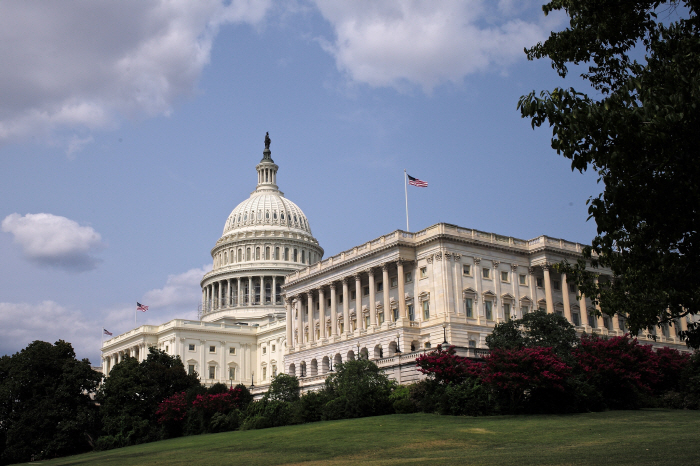
The US Capitol (Roman Boed_Flikr)
Wednesday, September 16, 2015 9:16 PM UTC
Editor's Picks



- Market Data
Most Popular




