Fitch Ratings says in a newly-published special report that a number of local and regional governments (LRGs) with unhedged foreign currency borrowings are now exposed to sharp increases in debt given the recent appreciation of certain major currencies.
In recent months the US dollar has significantly appreciated, which has meant that subnationals with exposure to unhedged foreign currencies would have seen the domestic value of their debt increase sharply.
LRGs are drawn to foreign-currency borrowing when it is cheaper than domestic currency because of lower interest rates, or when longer maturities than in local currency are available. It also widens the funding base and can enable access to some multilateral lending institutions, such as the European Investment Bank, which only lend in selected currencies.
However, borrowing in foreign currency carries risks as normally the revenues of LRGs are denominated in the domestic currency. Unhedged foreign currency debt therefore poses the risk that the debt burden may increase during periods when the domestic currency is being devalued or depreciating. For some emerging markets and currencies hedging instruments may not be available because of banks' reluctance to take on exposure to a particular country or currency. Alternatively, where hedging is available, it may be prohibitively expensive or only available for a limited period of the loan, making hedging unattractive for the LRG.
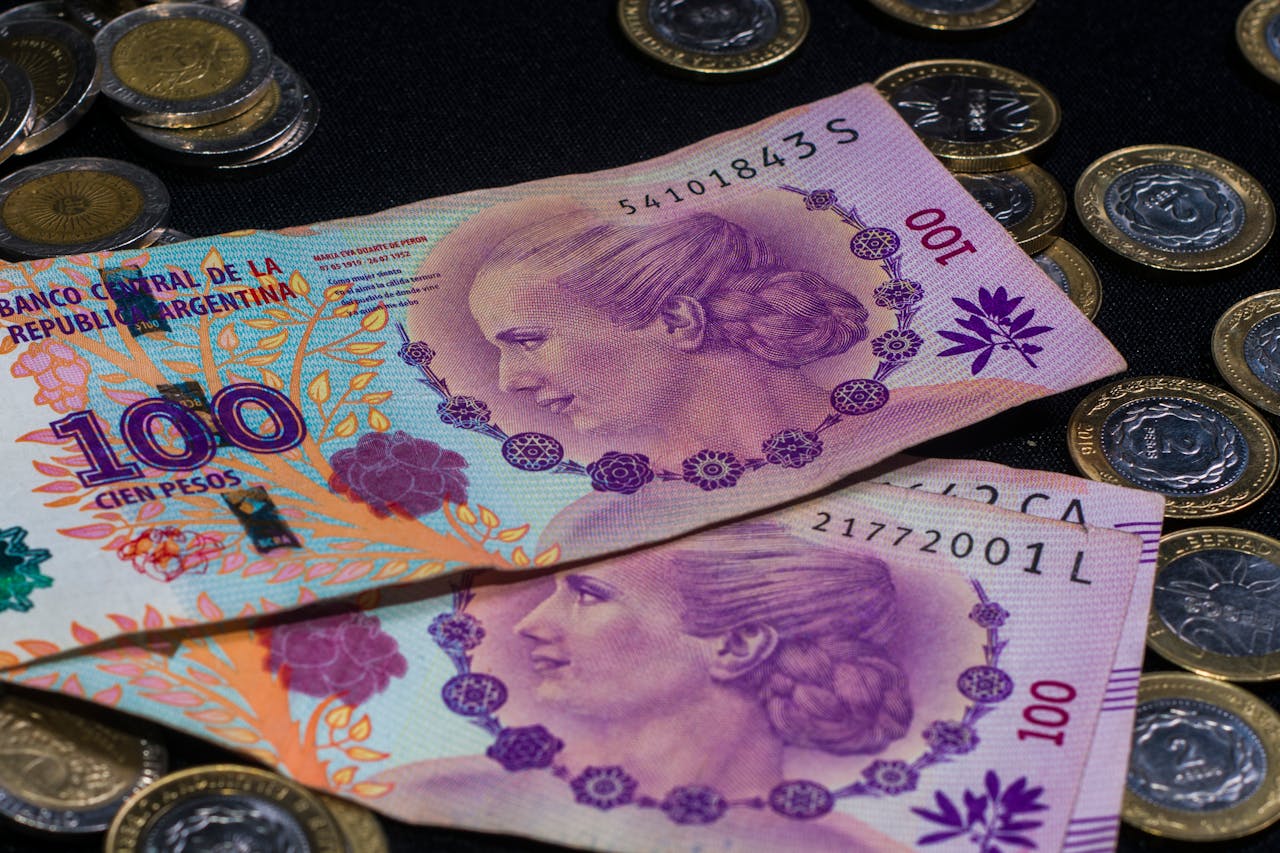
A number of emerging market capital cities have unhedged outstanding foreign currency bonds in the capital markets, including Bucharest, Buenos Aires and Kyiv and which are due for repayment in 2015 and 2016. Bogota and Istanbul also have sizeable foreign currency exposures. For the City of Moscow, the rouble value of its EUR bond has increased by close to 70% in the past six months as the domestic currency depreciated sharply. LRGs in Germany and France have also been negatively impacted by unhedged foreign currency borrowings.