In spite of the fact that the United States was one of the countries hit hardest by the Covid-19 pandemic, now it is a top performer in vaccination rates and its economyis rapidly recovering. According to specialists, the American economy in 2021 will be particularly focused on the strong national presence of unicorns (from all 700 examples in the world, 370-plus are from the United States) and in values such as gender and racial equity.
On the other hand, other specialists like Joao Vale e Azevedo, Chairman of KUNST Global (one of the largest equity firms in the world) are looking at the consequences on a longer term. According to him, data might suggest that the economy will not be as optimistic as it seems today. “We are in a situation in which in most of the major economies of the Western World, States are still intervening with subsidies and extraordinary measures,” he explains. “Consequently, we do not have an objective picture of the situation, especially from an employment and social point of view.”
Azevedo heads KUNST’s operations which include investments in several areas including energy, commodities, telecommunications, property, tourism, fashion, retail, and entertainment. For him, it was the sectors of entertainment and tourism that suffered the most with the pandemic, meaning that now they will need to completely change their business model.
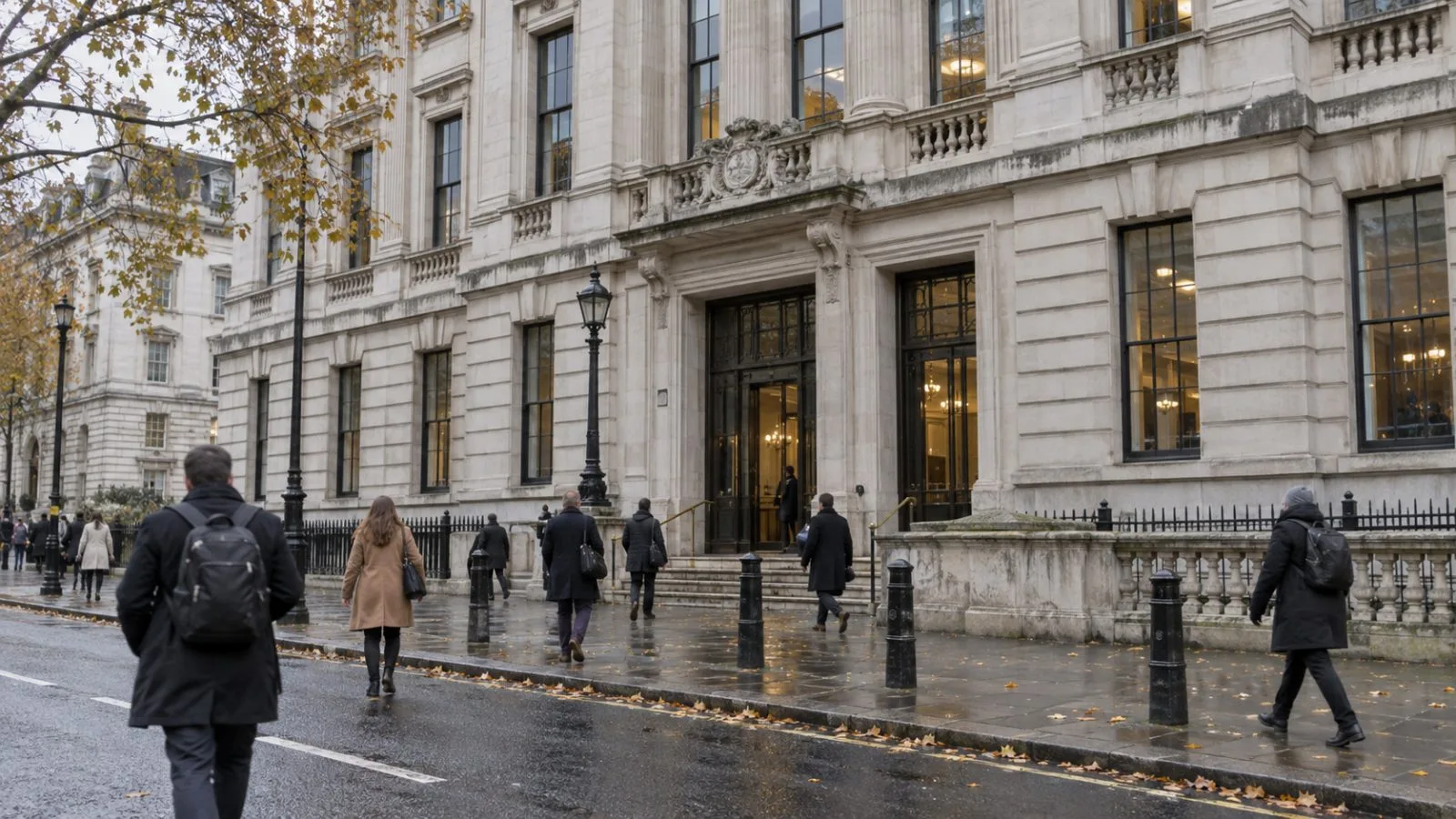
While small businesses or family businesses did not survive the pandemic, Azevedo believes that this is the overall trend for the longer term: “The crisis will mainly affect the cities. Today we can already see the financial districts of many deserted cities, with empty streets and closed shops: the risk is that the situation will not change.” With companies adapting to remote work, offices have become obsolete and all the commerce surrounding them are also prone to suffer the same impact.
Still, Joao Vale e Azevedo believes globalism will be both economically and politically strengthened in the following years. With the crisis, the influence of large multinationals will grow even more and, according to the chairman of KUNST, this is very good news for the United States and China. “The world will be characterized even more by the US-China dualism, the cold war for the economic supremacy between the two powers is destined to intensify,” alerts Azevedo.
All in all, Azevedo wants to think positively and believe that the history of the West has taught countries to react to precise moments such as these. For him, the crisis will cause a general reduction in costs, and this will create the ideal conditions for investing in innovation. “If governments support entrepreneurs and businesses, I am sure that we will be able to turn the crisis into opportunity, in ways that we cannot even imagine at this time,” concludes the chairman of KUNST.
This article does not necessarily reflect the opinions of the editors or the management of EconoTimes